Month: March 2024

Malam Daurawa’s exit and return

By Abdurrazak Muktar Makarfi

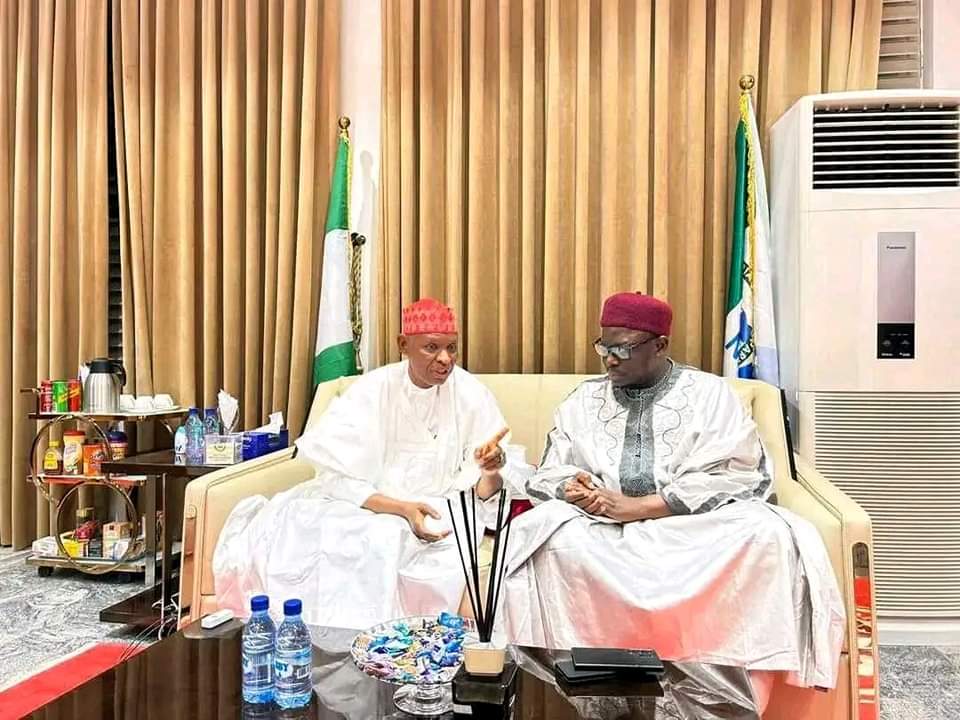
The recent departure of Malam Aminu Ibrahim Daurawa from his role as the commandant of the Kano State Hisbah Board left many people reflecting on the complexities of human relationships and the power of forgiveness. However, what followed was a heartwarming tale of redemption and reconciliation that touched the hearts of all who witnessed it.

Malam Daurawa’s decision to step down initially came as a surprise to the community. Known for his unwavering dedication to upholding justice and righteousness, his absence was keenly felt. Yet, amidst the uncertainty, a beacon of hope emerged in the form of a coalition of Kano Ulamas, who saw beyond the surface and recognised the genuine intentions of both parties involved.

The intervention of the Ulamas was a poignant reminder of the strength of the human spirit and the capacity for forgiveness. In a world often characterised by division and discord, their actions served as a powerful demonstration of the transformative potential of empathy and understanding.

For Malam Daurawa, the journey back to his role within Hizba was a humbling experience. Faced with the opportunity to return, he embraced it with an open heart, guided by the principles of integrity and compassion that had always been the cornerstone of his leadership.

As he resumed his duties, the outpouring of support from the people of Kano was overwhelming. Their unwavering belief in his ability to effect positive change was a source of strength and inspiration, propelling him forward on his mission to create a better future for all.

The bond between Malam Daurawa and the people of Kano and the Kano State governor, Engr. Abba Kabir Yusuf, grew stronger through this experience. Their shared journey of redemption and reconciliation deepened their connection, transcending the boundaries of leadership and community.

Looking ahead, Malam Daurawa’s story reminds us of the enduring values of integrity, compassion, and empathy that bind us together as a community. His journey is a testament to the power of forgiveness to heal wounds and the resilience of the human spirit in overcoming challenges.

Ultimately, Malam Daurawa’s story is not just about leadership or politics – it’s about the triumph of the human spirit and the enduring power of forgiveness to bring us together, even in the most challenging times.

Abdurrazak Muktar Makarfi wrote via prof4true1@gmail.com.

BREAKING: Binance announces departure from Nigerian market, halts naira services

By Sabiu Abdullahi 

Binance, one of the world’s largest cryptocurrency exchanges, has decided to terminate all services related to Nigeria’s fiat currency, the naira.

This decision comes amidst escalating regulatory tensions within the country. 

Effective immediately, Binance will no longer accept deposits in naira, with the cutoff time set for 14:00 UTC today.

Furthermore, withdrawals will be unsupported after March 8 at 6:00 a.m. UTC. 

To streamline the transition process, Binance will automatically convert naira balances to USDT (Tether) at a conversion rate of 1 USDT per 1,515.13 naira, starting on March 8 at 8:00 a.m. UTC. 

In addition, all spot trading pairs involving the naira will be delisted on March 7 at 3:00 a.m. UTC.

Any open spot orders for these pairs will be promptly closed. Moreover, Binance Convert, Binance P2P, the exchange’s Auto Invest feature, and Binance Pay will gradually cease support for the naira at different dates and times. 

This decision marks a significant shift in Binance’s operations within Nigeria, signalling the complexities and challenges of navigating regulatory environments in the cryptocurrency space.

As the industry continues to evolve, stakeholders will closely monitor how this development shapes the landscape for both users and exchanges operating in Nigeria.

Sunshine International School shines in national science competition

By Sabiu Abdullahi 

Sunshine International School (SIS), a distinguished five-star secondary institution in Bauchi, has garnered significant accolades and recognition in the Nigerian Mathematical and Sciences Olympiads for the year 2023. 

The school, under the leadership of its principal, Mrs. Zarah Buba Atare, has demonstrated excellence and prowess in the academic arena.

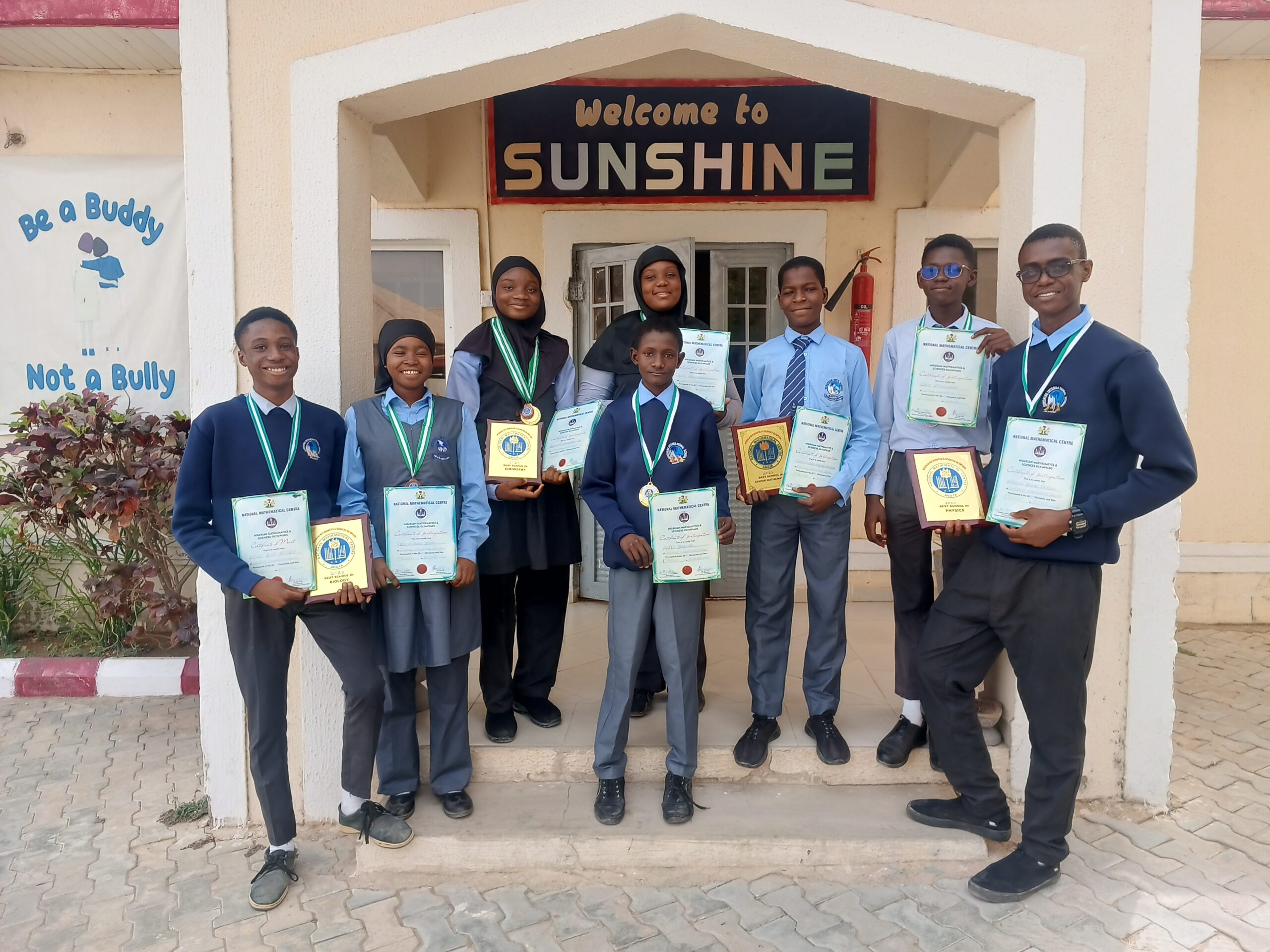
A photo of all the participants shortly after the presentation of awards

In an announcement on Monday by the school management, it was revealed that several SIS students showcased exceptional talent and skills during the first round of the Olympiad mathematics and science competition, which saw the school remarkably triumph.

The National Mathematical Centre has bestowed upon the school a plethora of awards and certificates in recognition of its outstanding performance. 

In an official statement addressed to the parents on Monday, Principal Mrs. Zarah Buba Atare, through the vice principal, Mr. Benjamin J. Okoh, expressed jubilation and pride in the achievements of the students.

Rebecca Mabe Yusuf, an SSS2 student, when receiving her medal and certificate

She commended their dedication, perseverance, and unwavering commitment to academic excellence.

Furthermore, Mrs. Atare extended gratitude to the diligent teachers, whose tireless efforts contributed significantly to the success of the students.

The statement also acknowledged the invaluable support and understanding of the parents, as well as the collaborative effort that propelled the students to victory. 

Aliyu, an exceptional science guru, as he was receiving his award

Moreover, Sunshine International School received prestigious awards for its exceptional performance in various disciplines.

Eden Benjamin Gin, a science guru, when receiving his award

The accolades include recognition for Best in Biology, Best in Physics, Best in Chemistry, and Best in Mathematics, underscoring the school’s holistic approach to academic excellence across multiple fields. 

In an interview granted to the Daily Reality by Mr. Abiodun Ishola, one of the members of the school management who is also the Director of Studies, he said, “This is actually the result of hard work and constant practice, which were facilitated by our diligent teachers.  

“It’s equally important to note that the school is a major player in this success. It has provided a conducive environment for learning in order for the kids to have all that is needed for effective learning to take place.” 

Two participants in the Olympiad competition spoke with our correspondent; they said their enthusiasm and passion for mathematics and science were palpable. 

Speaking shortly after the presentation of awards and certificates, Nana Aisha Muhammad Haruna, an SSS3 student who also participated in the competition, said, “Honestly, Sunshine was the main reason that actually made me come to this stage of my life. Without them, I wouldn’t have even known about the competition. They trained us and made sure that we made it.” 

Also speaking was another participant, Frank Moses-Mba, who also expressed his delight. 

He added that they “made it through hard work, studies and by the special grace of God.” 

He urged younger and upcoming students to be resilient and study hard in order to follow the path of success.  

The decorated students expressed gratitude for the support and guidance provided by the school and teachers, which enabled them to excel in the competition.

The school management assured parents and stakeholders of its continued dedication to nurturing and empowering students to reach their full potential.

Mrs. Atare conveyed heartfelt wishes for even greater success in the forthcoming rounds of the competition, affirming the school’s commitment to excellence in education.

Just In: Facebook, Instagram down 

By Sabiu Abdullahi 

Meta, the parent company of Facebook, Messenger, and Instagram, faced a widespread outage today, disrupting access to its popular social media platforms worldwide.

Internal system failures within Meta are believed to be responsible for the outage, leaving millions of users unable to log in or refresh their feeds.  

Users across the globe experienced difficulties accessing Meta’s Facebook, Messenger, and Instagram platforms as the tech giant grappled with a significant outage on Tuesday.

The outage, believed to have been triggered by internal system failures, resulted in frustration for users unable to access their accounts or engage with the platforms. 

Reports indicate that users were forcibly logged out of their Facebook and Messenger accounts and encountered issues logging back in, despite inputting correct credentials.

Similarly, Instagram users experienced difficulties refreshing their feeds, rendering the platforms unusable for many.

Marabus: Remembering Auwalu Bello Jigirya

By Salisu Shehu 

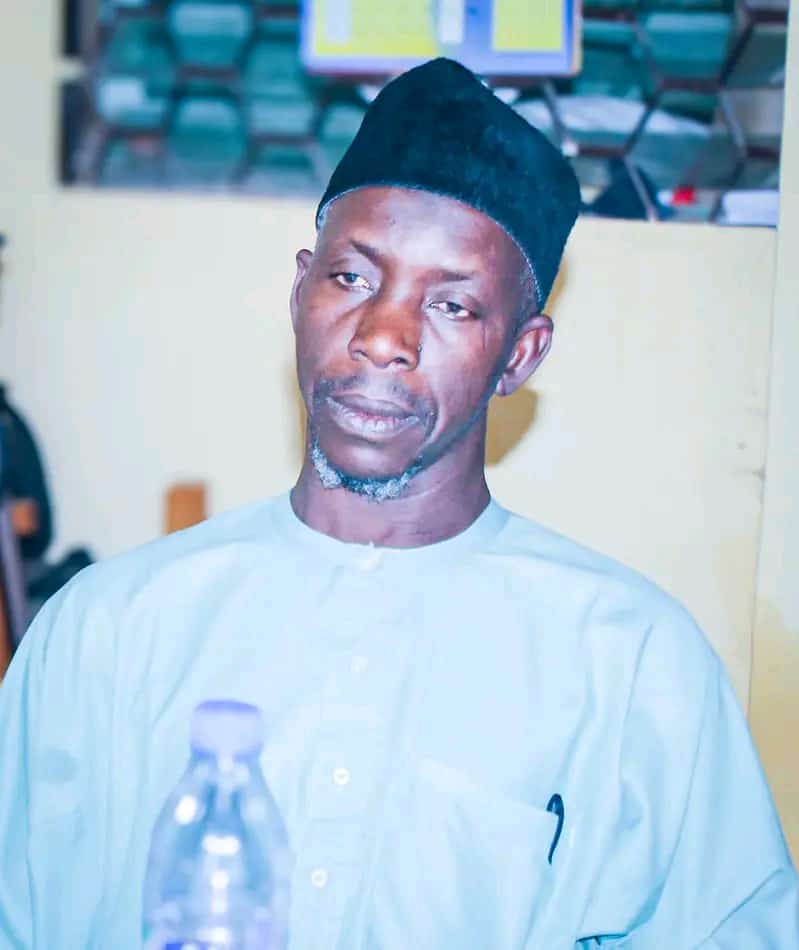
In Hausa, the word ‘Murabus’ simply means a former or one-time leader. Such a person would either have left the leadership position by duly completing his tenure or removed in some way before finishing the period for his stewardship. Malam Auwalu Bello Jigirya was a one-time Amir of the Muslim Students’ Society of Nigeria (MSSN), Kano State Area Unit (KNSAU) from 1995-2001. 

Since 2001 to date, the word MURABUS has become a daily pronouncement in the MSSN/KNSAU family. It was a respectful and humourous reference to Auwalu Jigirya after he handed over the mantle of Amirship to Malam Ado Garba Yankaji in 2001. MURABUS soon became a household name for Jigriya, and it resonated within the MSSN circle in Kano State. 

Whereas MURABUS means retirement or dethronement, as explained above, it means something different in the case of JIGIRYA. Rather than the ordinary sense of stepping aside, it was for JIGIRYA a metaphor for steadfastness, doggedness, resilience, selflessness, and sacrifice, ornamented by tolerance and forbearance. Instructively, Amirs before and after him held the Amirship and stepped aside, but he was the only one graciously crowned ‘MURABUS’. 

JIGIRYA presented a striking trait rarely found in people. He was a very humble person yet courageous. He would be decorous to those apparently senior to him but would also unrelentingly muster the brevity to advise them when they erred. He always had a demeanour of raw honesty, and frankness imbued with a permanent character of humour and conviviality. 

You would never get bored staying with him. He was, in the KNSAU family, in terms of humour and joy, a natural successor to the late Baba Alhassan Ibrahim Dawanau of blessed memory, who would always play the grandpa, entertaining the brothers and giving some relief that clears away monotony and tension when the situation started getting tough and stressful. To the younger ones, he was a friendly, cheerful, amiable, accessible, and easily approachable mentor. 

Since our adolescence, we grew up together in the Kano State Area Unit for nearly four decades. He was the Amir when I was the Director of Education at Al-Muntada al-Islamy Trust. That was when I started getting to know him at a closer range because Al-Muntada supported the KNSAU MSSN immensely. Not surprisingly, because of his down-t-earth mentoring style, when those younger ones established the ALHASSAN IBRAHIM DAWANAU COLLEGE OF HEALTH SCIENCES AND TECHNOLOGY, Malam Auwalu Jigirya made it to the list of the members of the BOARD OF TRUSTEES of the College. 

We, however, became closest in the last nine (9) years when we worked together in the Islamic Forum of Nigeria. He was a strong pillar in our Local Organising Committee of our Annual Ramadan Lecture and IFTAR RELIEF SCHEME. Not only punctuality and commitment made him a strong pillar of the Committee. It was also because of his dependability and reliability in terms of honesty, trust and probity. He was one person on the committee to whom I would never hesitate to hand over the budget for purchasing food items for the IFTAR RELIEF PACKAGE and would go to sleep. One would not be afraid of failure or fraud. 

As an attestation of Jigirya’s leadership character, the Executive Council of the Islamic Forum unanimously approved his appointment as the Secretary of the Caretaker Committee of the KANO State Chapter when its exco was dissolved nearly two years ago. 

In both the Kano State Area Unit (KNSAU) of the MSSN and the MSSN and the Local Organising Committee of the Annual Ramadan Lecture of the Islamic Forum of Nigeria, we will miss not only the person of Malam Auwalu Bello Jigirya but will seriously miss his loveable characters In all In described In above In. Our greatest solace is that we will have dozens of encomiums on his praiseworthy behaviours with which we will keep consoling ourselves. 

As we keep showering those praises on him, we are sure, as was said by our Beloved Prophet (SAW), we will be “the witnesses of Allah to him on earth”. 

Allahummaghfir lahu warhamhu warhamna ba’adahu wa’anta Khairul ghafireen.

Salisu Shehu, Vice-Chancellor, AL-ISTIQAMA UNIVERSITY, SUMAILA, can be contacted via sshehu.edu@buk.edu.ng.

Tragedy: Children starve to death in Gaza hospitals

By Uzair Adam Imam

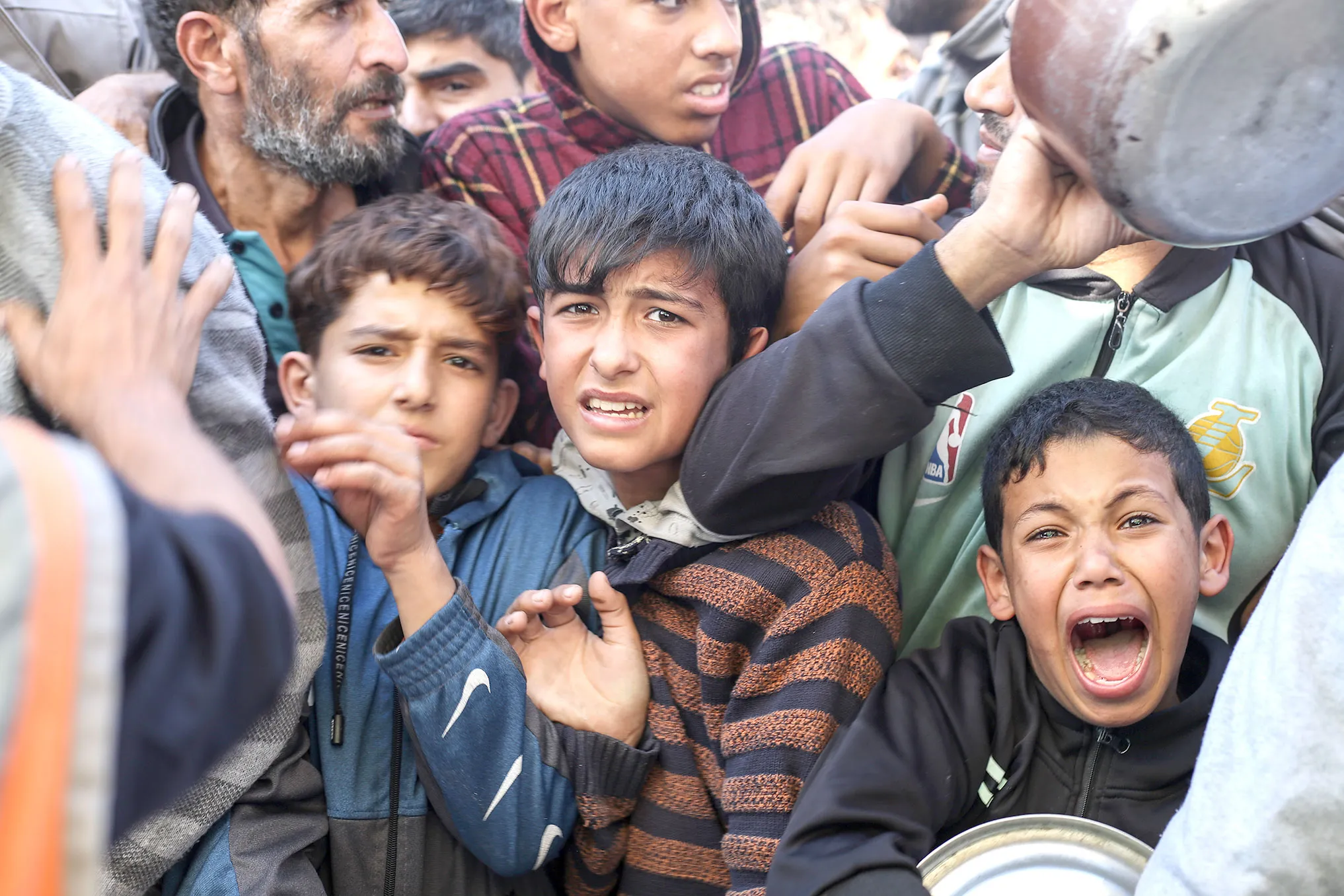
According to reports from Turkish TRT World, a recent aid mission to two hospitals in northern Gaza by the World Health Organization (WHO) has uncovered horrifying scenes of children dying from starvation. 

Dire shortages of food, fuel, and medicines exacerbate the situation.

WHO Chief Tedros Adhanom Ghebreyesus described the findings as “grim,” particularly highlighting the dire conditions at Al Awda Hospital, where one of the buildings has been destroyed. 

The Kamal Adwan Hospital, the only paediatrics facility in northern Gaza, struggles to cope with the overwhelming number of patients. Tedros revealed that the lack of food has tragically led to the deaths of 10 children.

Meanwhile, the Geneva-based organization Euro-Med Human Rights Monitor has released a statement presenting disturbing evidence of Israeli tanks deliberately running over Palestinians. 

Describing these actions as part of Israel’s genocide against Palestinians in Gaza, Euro-Med reported several cases of Israeli forces intentionally running over Palestinian civilians, including incidents on February 29, January 23, December 2023, and February 20.

The organization has called for an independent international investigation committee to address Israel’s ongoing military actions in the Gaza Strip.

The deadly offensive initiated by Israel following a cross-border incursion by Hamas on October 7, 2023, has resulted in significant casualties. 

As the Israeli bombardment continues into its 150th day, TRT casualty counts estimate that at least 30,534 Palestinians, mostly children and women, have been killed, with 71,980 others wounded due to mass destruction and shortages of essentials.

Impending collapse of Nollywood, Kannywood, and music industries due to the AI revolution

By Haruna Chiroma

Before the advent of the internal combustion engine, imaging two horses engaging in a conversation about the era of internal combustion engines. One of the horses envisions a transformative job landscape with new opportunities, while the other horse opposes the idea, seeing it as a potential threat to their relevance in transportation and a possible complete displacement from the realm of transportation. Horses have no position in the post internal combustion engine era. That is my prediction for the future of the movie and music industries in Nigeria.

The Nigerian movie industry is notably divided into two main sectors: Nollywood, primarily representing movies from the southern region and Kannywood, which focuses on movies from the northern region.

In the music industry, songs are typically sung in English, Hausa, Igbo, and Yoruba. Both the movie and music industries are currently confronting the looming threat of collapse due to the disruptive impact of AI innovations, inventions, and discoveries.

The process of writing movie scripts by scriptwriters is time-consuming and varies in duration depending on the complexity and proposed length of the film. It can take anywhere from two weeks to three months to complete the initial draft before further refinement. However, with the advent of AI tools like ChatGPT, scriptwriters can significantly enhance their productivity. By utilizing ChatGPT, writers can expedite the scriptwriting process, potentially reducing the time required from months to just one or two days for complex movie scripts.

The movie industry is on the verge of collapse in the near future with the emergence of generative AI tools capable of generating video from written text. In the near future, traditional methods of movie production may become obsolete. Instead of the laborious process of location shooting, hiring actors, coordinating camera movements, applying makeup, arranging logistics, etc. a movie script written by scriptwriter can simply be fed into a text-to-video tool converter. This innovative technology will then generate a movie video representation of the script, revolutionizing the way movies are created. The tool comes equipped with video editing features, enabling users to fine-tune the video to match their requirements. The process that involves many people with different expertise working from different perspective may likely require between 2 – 3 people instead of the large number of people required in the traditional process of movie production.

Recently, OpenAI unveiled Sora, a text-to-video conversion tool, garnering widespread attention from mainstream media. This development prompted a filmmaker in Hollywood, Tyler Perry to suspend his 4 years $800 million planned movie production studio expansion arguing that Sora will eventually impact every aspect of the movie industry and jobs in the entertainment industry.

In an intriguing development, yet another valuable AI tool for video translation has emerged. This tool enables users to translate their videos into different languages such as Dutch, French, Arabic, Swahili, Chinese, Malay, and more. By doing so, the movie video creators can extend their reach beyond Nigeria and cater to audiences across Africa, Europe, and Asia, thereby expanding their potential viewer base to a larger and more diverse audience.

A deepfake movie can be produced by using the faces of renowned movie stars from both Kannywood and Nollywood, eliminating the need for these actors to physically appear in any physical location. The movie developer only requires the consent of the actors to use their faces in the deepfake video, adhering strictly to ethical guidelines in the creation of deepfake content. With these permissions in place, a movie can be crafted featuring the prominent actor(s) as the central characters, offering new possibilities in cinematic storytelling.

These emerging concepts pose a significant challenge to the movie industry, making it increasingly difficult for the traditional model to sustain itself. This trend mirrors the significant decline or almost collapse witnessed in industries such as landline telephones, photo shops, and magnetic tape, suggesting that the movie industry may face a similar fate of eventual collapse to the changing landscape.

Already the adult content industry is facing tough competition from deepfake adult videos generated by AI tools. Recently, several dedicated platforms have emerged, exacerbating challenges for the traditional adult movie sector. These platforms are attracting millions of visitors, with one particularly renowned platform drawing over 17 million viewers monthly. Typically, the platform features short deepfake adult content videos as teasers, enticing viewers to access the full content elsewhere.

While the short videos span various platforms, the primary one serves primarily for advertising and provides links to other platforms where complete videos are available for purchase.

The proliferation of deepfake adult videos has led to a surprising revelation: these videos are not freely accessible but are instead sold in dollars, accepting payments via credit cards, debit cards, or cryptocurrency. This burgeoning industry has now become a multimillion-dollar enterprise. For anonymity and ethical reasons, I intentionally omitted specific platform names to prevent further traffic influx.

This discourse underscores a poignant observation: the inevitability of the movie industry’s potential decline due to the transformative impacts of AI research. In January of this year, a deepfake pornographic image featuring a celebrity, Taylor Swift surfaced on various social media platforms. The video quickly gained traction on X (formerly Twitter), spreading rapidly like wildfire and amassing over 47 million views in less than 24 hours. Despite ethical considerations, many X users shared the video extensively before it was eventually removed and searching for the image was blocked by X. I foresee the collapse of the adult content industry in the next 3 years with the deepfake videos taking over.

In the music industry, numerous AI tools for music generation are currently in various stages of development, testing, or initial release. For example, MusicLM, an AI tool developed by Google, is designed for composing music and has shown promising capabilities in generating music.

Currently, an advanced version called MusicFx is undergoing testing in Google’s test kitchen before its public release. Users can simply prompt ideas into the music tool, and it will automatically compose the music. This advancement suggests that the future of music composition may require fewer people, as one individual can prompt the tool with ideas to generate music without the need for multiple collaborators.

Another tool is Suno V3, it generates music from text easily. Therefore, the music industry is at the verge of facing stiff competition and eventual collapse of the industry from these revolutions from AI.

Haruna Chiroma, Ph.D. Artificial Intelligence University of Hafr Al Batin, Saudi Arabia, freedonchi@yahoo.com.

Kano: Sheikh Daurawa reconciles with Governor Yusuf, resumes work as Hisbah chief

By Muhammad Abdurrahman

Kano State Governor, Abba Kabir Yusuf, has reconciled with the Commander General of the State Hisbah Board, Sheikh Aminu Daurawa, who had resigned his appointment last week.

Daurawa, who resigned from his position through a video that went viral while attending a retreat organized in Kaduna, stated that his decision was influenced by the public’s criticism of the Hisbah operatives and their actions.

Speaking to journalists about the development, the spokesperson to the governor, Sanusi Bature Dawakin Tofa, confirmed the reconciliation on Monday.

Dawakin Tofa said the reconciliation was achieved through the intervention of respected Islamic clerics and a meeting with the governor that lasted for hours.

Some of the people in attendance include Prof. Salisu Shehu, Dr. Saidu Dukawa, Sheikh Abdulwahab Abdallah, among others.

Nigerian poet Zaynab Iliyasu Bobi awarded Cave Canem Fellowship

By Sabiu Abdullahi 

Nigerian poet Zaynab Iliyasu Bobi, known as @thee_black_sylvia on X (formerly known as Twitter), has been awarded the Carolyn Micklem Scholarship by Cave Canem, a prestigious organization dedicated to fostering Black poetry.

The news was announced on February 29, 2024, via Bobi’s X account.

Bobi expressed her deep appreciation to Cave Canem and everyone who donated to her fundraising campaign, which ultimately reached $4000.

These donations and the scholarship will enable her to attend Cave Canem’s fellowship retreat in Pittsburgh, United States.

Cave Canem is a renowned organization with a rich history of supporting Black poets.

The fellowship program offers a unique opportunity for aspiring poets to develop their craft in a nurturing community.

Bobi’s success story is a testament to the power of collective support on social media, and determination on the poet’s part.

It highlights the importance of organizations like Cave Canem in providing resources and mentorship to underrepresented voices in the literary world.

Rising food prices: A simple solution

By Zayyad I. Muhammad 

The rising prices of foodstuffs and the general high cost of living are global things. Nigeria is not immune to that; however, the case seems different because of our poor basic infrastructure in roads, education, healthcare, security, and communication. Moreover, traditional solutions from established sources appear ineffective, prompting consideration of alternative off-the-shelf solutions.

The masses are looking at the governments at the federal, state, and local levels. In particular, many Nigerians criticise the federal government due to the removal of petroleum subsidies and the decision to float the Naira.

Some short-term measures to tackle the current hardships are the following: the government should engage in healthy discussions with farms-produce marketers and large-scale farmers. 

These two groups have significant stocks of foodstuffs in their warehouses in many locations, especially in the north. The government should engage them in purchasing their farm produce mutually beneficially (without imposing prices on them). The Presidential Order to the National Security Adviser (NSA) Nuhu Ribadu, the Inspector General of Police (IGP) Kayode Egbetokun, and the Director General of the Department of State Service (DSS) Yusuf Bichi to work with governors and go after those hoarding foodstuffs is a right step, but it is not a silver bullet; in fact, it’s an intricate issue—how do you differentiate between foodstuff hoarders and large-scale farmers and legitimate farm-produce marketers who have large warehouses where they keep their commodities before distributing them to other parts of the country? Including supplies to humanitarian agencies 

A healthy engagement with legitimate farm-produce marketers and large-scale farmers is a simple and feasible solution to the soaring food prices. 

After purchasing the foodstuffs in large quantities, the government can package them into 2, 3, and 5 kg bags and resell them to the masses at affordable rates throughout all the local government areas (LGAs).

Bulk purchases by individuals or groups should be discouraged. Ward levels, markets, and schools can serve at the reselling centres. In addition, politicians should be off the resell team, and no one should purchase more than 10 kg since the target is the common man looking for daily meals. This is workable if the government truly wants to reach low-income people.

We should put it in our minds that, generally, the prices of foodstuffs shouldn’t have gone through the roof in the north, but what is currently happening in the north is that our farm-produce—rice, corn, millet, beans, etc.—is being exported to neighbouring African countries due to the weak value of the Naira. Naira is cheaper for buyers in nearby countries, while farm-produce marketers and large-scale farmers in Nigeria are making substantial profits. The high cost of logistics, illegal taxation, and checkpoint corruption are also major factors contributing to the high prices of foodstuffs. 

The above solution is a short-term measure; however, the real practising dry-season farmers should be directly supported to sustain it since this is dry-season farming time. They can be supported with solar-powered pumps, fertilisers, seeds, extension services, pesticides, etc. This will further increase food production. It also increases the popularity of the government, including reducing tensions and insecurity in the country. 

On the other hand, we must tell ourselves the truth: no programme or project can help the government sustain social order without factoring the youth into the equation. The Bola Tinubu government should devise a means to create some quick, productive jobs for the massive youth in the country. 

The federal government can launch job creation and empowerment programmes targeting young people and women in the following areas: agriculture, technology, entertainment, trading, and SME support and vocational training and support on welding, fashion, carpentry, home decoration, make-up, lucrative northern traditional cap making, etc. 

Agriculture: This should be divided into two segments: big and small. A group of graduates should be formed into “agribusiness entrepreneurs.” Then, the government should provide them with land, offer all the necessary extension services, and provide collateral or security for financial institutions to make the necessary funds available. This will promote the true generation of wealth through agriculture by young people. Secondly, women and young people rearing poultry, snailery, fish, etc., at home can be supported by providing highly subsidised feeds and more training on new techniques.

In technology, many young Nigerians are into coding, cryptocurrency, data processing, phone and computer sales, repairs, etc. The government can commission private sector firms to, on behalf of the government, train, equip, and provide capital to young people in this area. 

Another way to create productive jobs for young people is in the creative industries. For some talented young people, all they need is publicity through the correct medium. The government can employ advertising and marketing firms to promote selected talented individuals nationwide. Many young people are now involved in trading both online and offline. They can be trained, provided with additional capital, and promoted.

The government should avoid the usual government bureaucracy. A firm should be contracted to design the job creation programme. Then, the firm should also employ other responsible and resourceful firms to implement the programme across the country. Thus, the government will only deal with one firm, ensuring professional services are offered in implementing the programme.

The government can explore various avenues to secure quick funding for implementing this programme during these challenging times. Firstly, the Federal Government and its Ministries, Departments, and Agencies (MDAs) can leverage their underutilised assets, such as scrap assets, derelict buildings, abandoned structures, and damaged movable assets nationwide. Identifying, valuing, and disposing of these assets could generate substantial revenue for the programme implementation.

Additionally, the government could consider issuing special bonds and tapping into pension funds under the management of Pension Fund Administrators (PFA) and Pension Fund Custodians (PFC). Exploring partnerships with international donors and foundations, particularly in the Middle East and Asia, could provide valuable funding opportunities, especially with expert guidance.

Zayyad I. Muhammad writes from Abuja via zaymohd@yahoo.com.