Month: December 2023

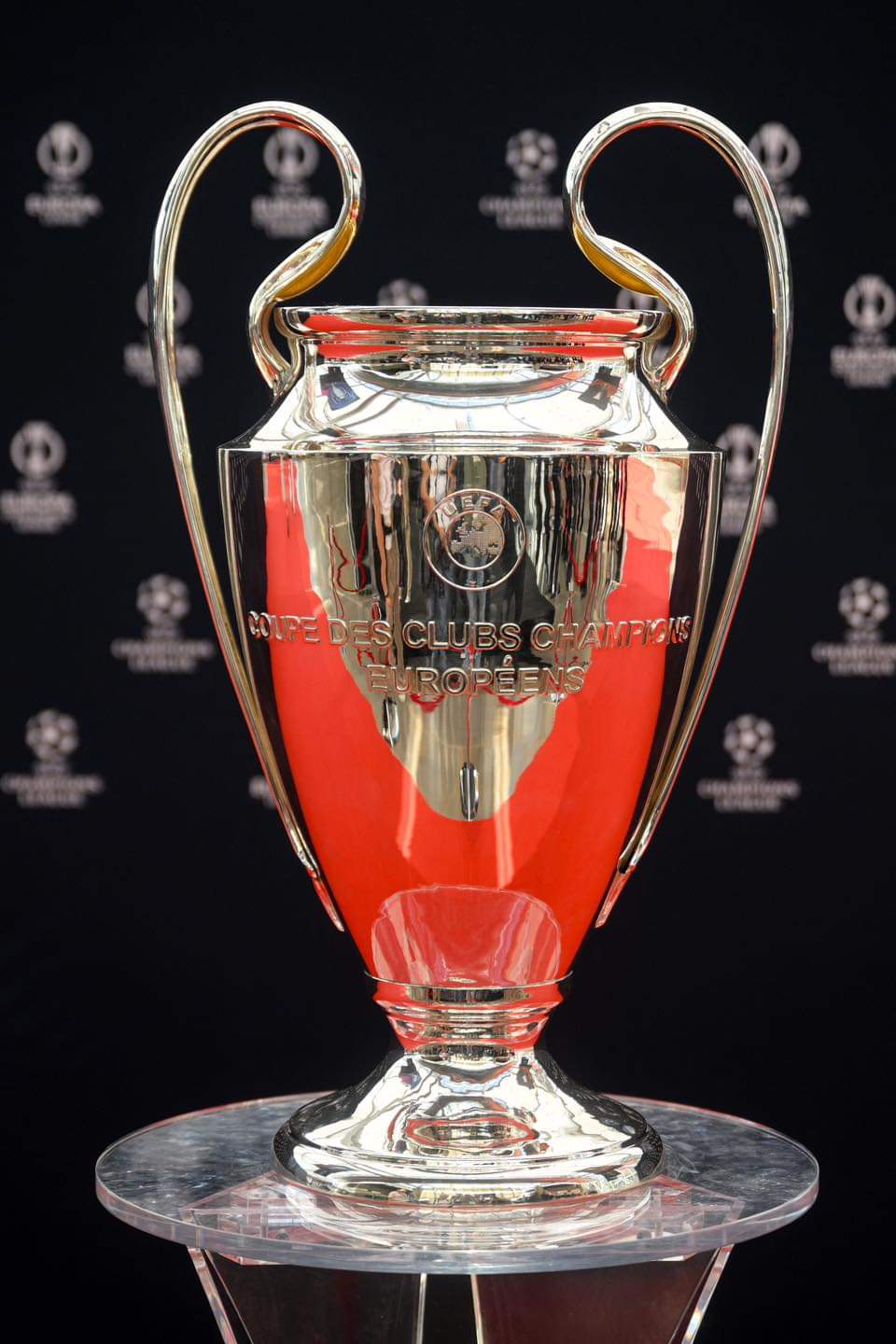
UCL changes style of playing group stage matches

By Sabiu Abdullahi

The UEFA Champions League bids farewell to its traditional group stage, paving the way for a radical Swiss-style format commencing next season. 

The tournament will expand its elite field to 36 teams, all converging into a singular league group. 

Clubs will face a challenging schedule, engaging in eight matches against eight distinct opponents.

This shift promises to deliver heightened competition and a diverse range of matchups. 

The top 8 teams excelling in the league will clinch an automatic berth in the knockout stages, incentivizing stellar performances throughout the group phase. 

Teams concluding the group stage from 9th to 24th place will embark on intense play-off battles.

Only 8 triumphant teams from these encounters will earn the coveted spots in the Round of 16.

N476,000 Law School fees and the fate of the indigents

By Abdul Mutallib Muktar

The journey to the bar has always been quite challenging and frustrating, especially for those students who are from financially disadvantaged homes. These students usually have to endure some terrible experiences for five years or more in order to obtain LL.B from their respective universities. It is sad that after this genuine struggle and heroism, the students get out of the race at the point of registering for the Nigerian Law School because they cannot raise the humongous school fees.

Most of the 2023/2024 applicants for the Nigerian Law School this year are students who graduated from the universities in 2023. This means they spent about seven years instead of five undergoing LL.B programme because of the perennial ASUU strikes and Covid-19 that disfigured the academic calendar. Students of public universities have a sad story to tell of the above.

What stands as a dishearteningly unclimbable mountain for most law students from public universities is the payment of the Nigerian Law School fees which rose to N476,000 for registration alone this year. Before the registration, one must apply for the law school which consumes about N45,000, including the faculty charges. A flashback of some few students who could not apply because they had no N45,000 let alone N476,000, touches the heart.

Over the years and especially after the unfortunate removal of fuel subsidy, Nigerian economy has fallen into an unprecedented quagmire which sent the masses into a regrettably more pitiable condition. A lot of parents who thought they could continue to take care of the higher education of their offspring gave up and have now lost their financial balance and are only struggling to provide food for their families. It is this reason that turns many students drop outs in the last few years.

Many of the graduates who applied for the Nigerian Law School this year are struggling to reach out to either their representatives, senators, governors or philanthropists but to no avail. The letters written to them could not reach them, so also the true state of affairs of this set of their constituents. In fact, this is what fundamentally prompted this write up–perhaps it may be a speedy channel of passing the message across to them. This is the time when these law school applicants will truly appreciate any sort of help from their leaders.

Few months ago, some governors, such as His Excellency, Abba Kabir Yusuf, refunded the school fees to those who registered for the last session of the NLS. May God reward them. Although the governors have a right reason for choosing to refund and not otherwise, it is my humble suggestion that the school fees should be better paid than refunded because the biggest challenge lies in paying it. If the governors continue on the refund policy, only the capable hands will continue to benefit. With the refund policy, the philosophy behind the support will surely be defeated.

I am using this medium to humbly invite the attention of the Honourable members of the State Houses of Assembly, the National Assembly and Their Excellencies, the governors of our various states to render assistance either in form of support or sponsorship of the Nigerian Law School applicants from their respective constituencies. It is additionally a time when philanthropists across the country can help too. Without this gesture, I am quite sure many law graduates will have to face the fate of not attending the law school. As contained in a notice signed by the Director General of the Council of Legal Education, Prof. Isa Hayatu Chiroma, SAN, lectures for the Bar Part I and Bar Part II commence on 11th December, 2023 and 15th January, 2024 respectively.

Abdul Mutallib Muktar (LL.B, B.L in view) wrote from Kano via via abdulmutallib.muktar@gmail.com.

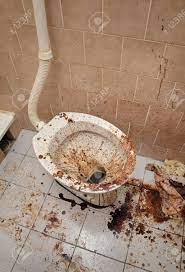
Sickening state of hostels’ toilets in Nigerian Universities

By Abdullahi Adamu

THE rot in federal and state institutions is taking a toll on the hostels and most especially in the national ivory towers.

Besides being overcrowded, many of the hostels lack basic amenities. Investigation in some public high
institution across the country revealed that many of the hostels were filthy as the taps in the toilets and
bathrooms were dry. Most of the taps are only there as decorations, and some of them have never worked for once. They never dropped a single drop of water since their installation.

As an undergraduate, back then, taking one’s bath in the bathroom or even easing oneself in the toilet
was usually a hurdle because of the sanitary conditions of the facilities. Even though there were porters
who came daily (apart from Sundays) to clean, the high number of persons using the facilities coupled
with the water situation was a major challenge. Also, some of the few staff, who sometimes do their best, leave the place at the hands of the killer viruses and bacteria around.

“Due to the limited number of students which the available hostel spaces could cater for, we found ourselves in a situation where a room that is originally meant for four students was being shared by eight students – that is to say, each of the legal and bonafide occupants had a “squatter”. This is in addition to students living off campus who also had to share the same facilities as there were none (toilets) around the lecture theatres – a number that is far beyond the projection at the inception – effectively making it almost impossible for the toilets to be neat.” in many tertiary institutions across the country. The nasty situation in hostels in many tertiary institutions leaves a sour taste in the mouth.

A student in IMO state University said the situation has worsened to the extent that some students take
their bath outside the bathrooms due to long queues and the ugly scene inside.

Another factor which leads to this unhygienic and ugly conditions of the toilet facilities in our public high institutions is the crude and improper usage by the students. Most of the students in Nigeria campuses throw away their internal dirt and defecate like uncivilized people.

For the girls’ hostel, it is also another nightmare. Most girls defecate and urinate in plastic or rubber containers, then empty it into the toilet to avoid contracting infections. Even at that, the toilets are not a place to even visit for any reason, unless when it is the last and only option.

It is more comfortable for me to defecate inside the bush along the post-graduate school to avoid
contracting any disease or foul smell of the school’s toilets.”, one postgraduate student said. Despite fee increasing and enormous internally generated revenues (IGR), including subventions from the
federal and state government amounting to billions of Naira, sanitary conditions of toilets across hostels
in Nigeria universities is appalling. May be this is why almost all our toilets across the country look so bad and unkempt. This is place where knowledge and morals are expected to be, but even the basics of a healthy and decent life are completely absent. No wonder!

Abdullahi Adamu can be reached via; nasabooyoyo@gmail.com

FG grants tertiary institutions autonomy from IPPIS

By Sabiu Abdullahi 

The Federal Government has approved the exemption of universities, polytechnics, and colleges of education from the Integrated Payroll and Personnel Information System (IPPIS).

Minister of Information, Mohammed Idris, announced that institutions will now handle staff remunerations independently, aiming to provide greater autonomy for efficient management. 

The move is not a critique of IPPIS integrity but a step toward preserving universities’ autonomy, according to Minister of Education, Prof. Tahir Mamman.

The decision follows longstanding tensions with the Academic Staff Union of Universities (ASUU), which advocates for the University Transparency and Accountability Solution (UTAS) over IPPIS. 

This exemption marks a significant development in the ongoing debate over the ideal system for managing personnel and payroll in Nigerian higher education.

CBN suspends new loan applications under Development Finance Intervention programme

By Sabiu Abdullahi

The Central Bank of Nigeria (CBN) has announced the suspension of new loan applications under its Intervention Program.

The decision, conveyed through a circular titled “Suspension of Acceptance of New Applications under the Existing Central Bank of Nigeria, CBN Development Finance Intervention Programme,” was addressed to the Chief Executives of banks. 

Sa’ad Hamidu, the Acting Director of the Development Finance Department, signed the circular, signalling a strategic shift in the bank’s operational focus.

This suspension marks a departure from the previous central bank’s emphasis on development finance intervention funds. 

Simultaneously, the CBN has assigned commercial banks the task of recovering outstanding loans issued under these now-suspended programs.

This move raises questions about the central bank’s future approach to economic development and the role of commercial banks in facilitating financial interventions. 

The financial community awaits further details and clarification from the CBN regarding the rationale behind this decision and the anticipated impacts on economic development initiatives.

NSC launches special programme to counter smuggling of nuclear materials 

By Sabiu Abdullahi 

The Nigeria Customs Service (NCS) has unveiled the Radiological and Nuclear Detection Programme (RANDA), a groundbreaking initiative aimed at curbing the smuggling of nuclear materials. 

This strategic programme was officially announced by the Comptroller-General of Customs, Bashir Adewale Adeniyi MFR, during the inauguration of a 4-day capacity-building workshop organised by the World Customs Organisation (WCO) on December 12th, 2023. 

Addressing participants at the workshop, Assistant Comptroller General Malanta Yusuf noted the importance of RANDA, stating that it will equip Customs officials with the necessary expertise to effectively detect and combat the illicit trafficking of radiological and nuclear materials.

This training, Yusuf stressed, will enhance cross-border security and foster a deeper understanding of the complex challenges involved in this innovative approach. 

Furthermore, Yusuf commended the leadership of the Customs Service for its unwavering commitment to innovation, acknowledging the vital role training plays in improving overall performance.

He specifically highlighted the WCO’s contribution to equipping officers with cutting-edge knowledge and skills. 

“We are determined to ensure Officers benefit from such trainings organized by the World Customs Organization,” stated Yusuf, “because the Comptroller-General has firmly placed innovation as a cornerstone of our advancement.” 

CSC Nafi’u Abubakar, the Nigeria Customs Service Radiation Safety Officer, lauded the CGC’s decisive approval of RANDA, further underscoring its unique nature.

Abubakar noted that this program positions Nigeria as a global leader in adopting this innovative approach to combatting nuclear smuggling. 

“The training was truly exceptional,” Abubakar declared, “and its benefits will have a profound impact on the Nigeria Customs Service, significantly advancing our capabilities.” 

The initiative’s potential to revolutionise border security was further stated by Dr. Isa Sambo, FSI, Director of Radiological Safety at the Nigeria Nuclear Regulatory Authority.

Dr. Sambo praised the CGC’s forward-thinking decision, acknowledging its potential to eliminate border crimes and significantly enhance Nigeria’s ability to tackle emerging threats.

He affirmed, “This move will undoubtedly position Nigeria at the forefront of global efforts to secure borders against the illicit trafficking of radiological and nuclear materials.”

Challenges of street photography

By Misbahu El-Hamza

My discomfort taking pictures of people in a social event is obvious even to some people around me; friends and families.

There was a time I was commissioned by a place I once worked for to cover an event, a woman honorably stood from her seat and whispered in my ears, “please try to avoid me in your photos.” “Thank you so much for letting me know, Hajiya.” I replied. To this day, I respect the woman, but had she known, it was also against my wish doing that.

Now I know better how to cover an event with people consent. A skill I learned in 2023. But how about the streets?

I love #streetphotography. Looking at most of my photos, you’ll notice that I rarely capture people in my frame. That’s partly because I don’t like being interrogated for pointing my camera and shooting at random strangers, rightly, against their will.

It made me so uncomfortable for someone to perceive that I breach their privacy. So, I choose to capture only landscape and other objects I found interesting.

However, in Nigeria — at least in my experience, even pointing your at your feet can provoke anger. People will question you for that aggressively.

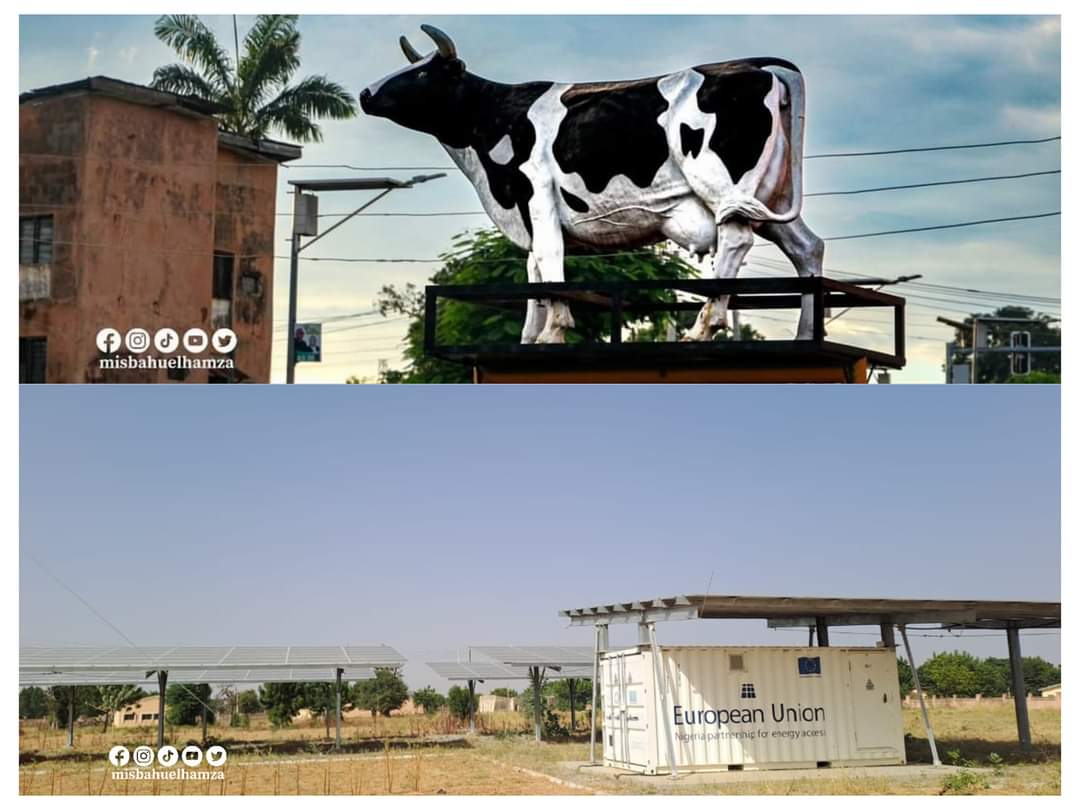
Let me further illustrate two experiences: a few months ago in Benue State, I bought yogurt in a restaurant opposite a market and noticed a beautiful statue of a milk cow. While taking a photo of it, a police officer, holding a gun obviously to intimidate me, questioned why I hadn’t obtained permission from him. This was a man emerging from nowhere near the restaurant. With my assertion that I didn’t know permission was required, he grew angrier. Eventually, I realized he sought only for a bribe, and I insisted we consult the restaurant manager. And that’s why he reluctantly let me go with my photo.

Fast forward to an LGA in Kano State where my colleague and I saw a remarkable solar plant at a healthcare facility generating 24/7 electricity. When I tried to capture it on my phone, from a distance, three hostile men confronted us, questioning why we were “staring” at the plant without their permission. Staring at it! They treated us as if we were informants or criminals. One of them even threaten us — and I dared him to try laying hands on any of us. But eventually, witht the arrival of the officer in charge of the facility, that hostile man was even the one stopping a bike for us at last.

As much as I respect people’s privacy (which is one reason why I don’t fly my drone these days), I understand that streetphotography is a hard thing for me in this country because people are unnecessarily angry. Even as you try to avoid them, they’ll find a reason to engage you.

This year alone, I have developed more than five extraordinary ideas of streets photography with northern Nigeria as the setting, but I am still skeptical. And I wonder how photographers developing content around this area do it without much troubles.

Please, how can I peacefully execute my projects in 2024 without inviting trouble on the streets?🤔

— Misbahu El-Hamza is a social analyst from Kano State, Nigeria.
We’re investigating alleged demand for bribery by our officer—Nigeria Customs Service

 By Sabiu Abdullahi

The Nigeria Customs Service (NCS) has initiated a thorough investigation into the alleged misconduct in response to a viral video depicting a customs officer soliciting a ₦5,000 bribe from a passenger at Murtala Mohammed International Airport in Lagos. 

This was revealed in a statement signed by Abdullahi Maiwadah, the National Public Relations Officer of the Nigeria Customs Service today. 

The statement partly reads: “The Nigeria Customs Service is diligently investigating an incident at Murtala Mohammed International Airport in Lagos, where an officer was observed soliciting ₦5000 bribe from a passenger. This behavior has rightfully raised public concern, and we are committed to ensuring full accountability.

“Preliminary investigation revealed that the incident transpired at New Terminal, within the departure hall of Murtala Mohammed International Airport Lagos, and was captured on video by the involved passenger. The recording reveals an inappropriate request for ₦5000 in exchange for expeditious processing of customs procedures.

“We wish to confirm that the Officer implicated is indeed a member of the Nigeria Customs Service, properly assigned to the Murtala Mohammed International Airport Area Command.

“The NCS strongly condemns this unprofessional conduct and is dedicated to upholding the highest standards of professionalism. A comprehensive investigation is underway to scrutinize the incident thoroughly, and appropriate actions will be taken.

“Such behavior is entirely inconsistent with the core values of our service, and we are resolute in maintaining a transparent and accountable customs operation.”

Victor Osimhen clinches ‘CAF 2023 Men’s Player of the Year’ award 

By Sabiu Abdullahi 

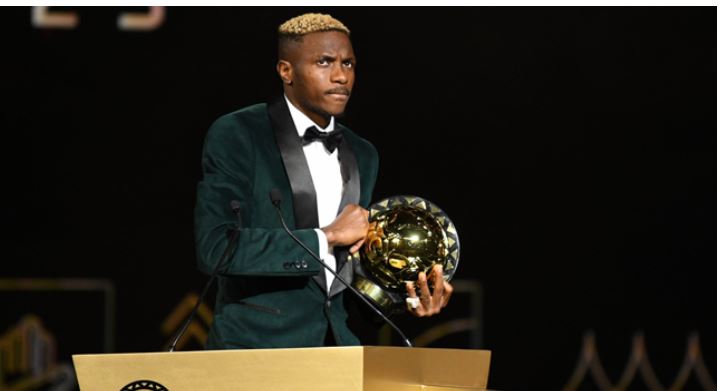
The 24-year-old Nigerian striker, Victor Osimhen, has secured the coveted CAF 2023 Men’s Player of the Year award. 

Osimhen’s stellar performance in the 2022–2023 football season, particularly with Napoli in the Serie A, played a pivotal role in this triumph. 

Osimhen faced stiff competition from top-tier players like Achraf Hakimi of Morocco, Sadio Mane of Senegal, and Egypt’s Mohamed Salah. Standing tall at 1.85m, the Nigerian striker’s outstanding achievements mark the end of a 24-year wait for Nigeria since Kanu Nwankwo last received the honour in 1999. 

During the 2022–2023 football season, Osimhen’s thunderous form propelled Napoli to their third Scudetto in 33 years, following the era of legendary Diego Maradona. 

His remarkable feat of scoring 26 goals in the league not only contributed to Napoli’s success but also made him the first African to claim the top scorer award in the domestic Serie A league. 

Osimhen’s accolades continued to accumulate as he clinched the Italian league’s best striker prize and secured a spot in the Serie A Team of the Year. 

Breaking George Weah’s record as the highest-scoring African player in the Italian league, Osimhen further solidified his status by winning the AIC award, the Italian Footballers’ Association Player of the Year, in December.

 Despite Nigeria’s early exit from the 2023 Africa Cup of Nations, Osimhen showcased his prowess by netting 10 goals in the tournament, including an impressive seven against São Tomé and Principe. 

Since making his senior debut for the Super Eagles in June 2017, Osimhen has accumulated 20 goals in 27 appearances. 

The pinnacle of Osimhen’s remarkable journey came on Monday in the Moroccan city of Marrakesh, when he clinched the CAF 2023 Men’s Player of the Year award.

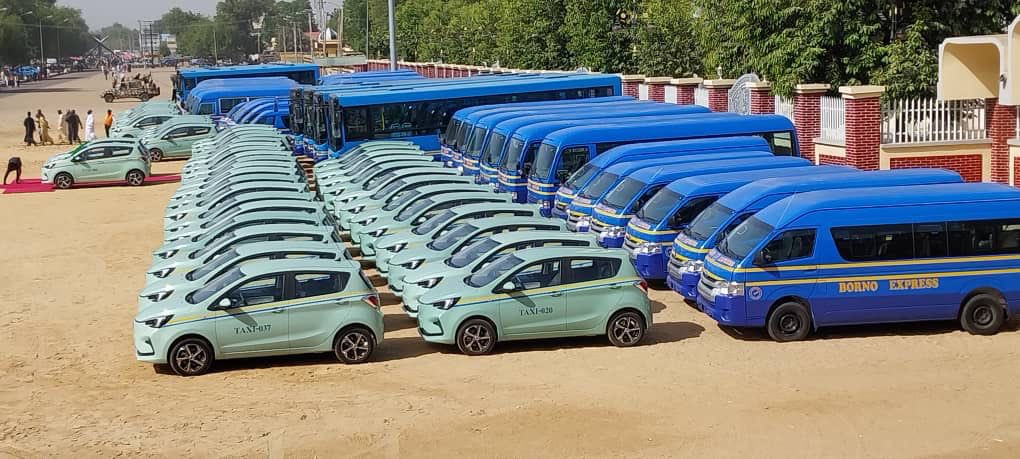
Tinubu unveils 107 gas, electric-powered buses in Borno

By Sabiu Abdullahi 

President Bola Tinubu has today inaugurated 107 gas and electric-powered buses, including taxis, in Maiduguri, Borno State. 

The initiative, a part of phase II of Governor Babagana Umara Zulum’s metro transport scheme, aims to address the challenges posed by the withdrawal of fuel subsidies.

Former President Muhammadu Buhari’s media aide, Bashir Ahmad, shared images of the event on his social media handle. 

He noted that the project, designed to enhance public transportation, is a commendable effort to mitigate the effects of fuel subsidy withdrawal. 

In his post on Monday, December 11, Ahmad expressed gratitude, saying, “God bless Gov. Zulum!” 

As the city embraces eco-friendly modes of transportation, the unveiled buses and taxis are expected to contribute to reduced environmental impact and enhanced mobility for residents.