Month: December 2023

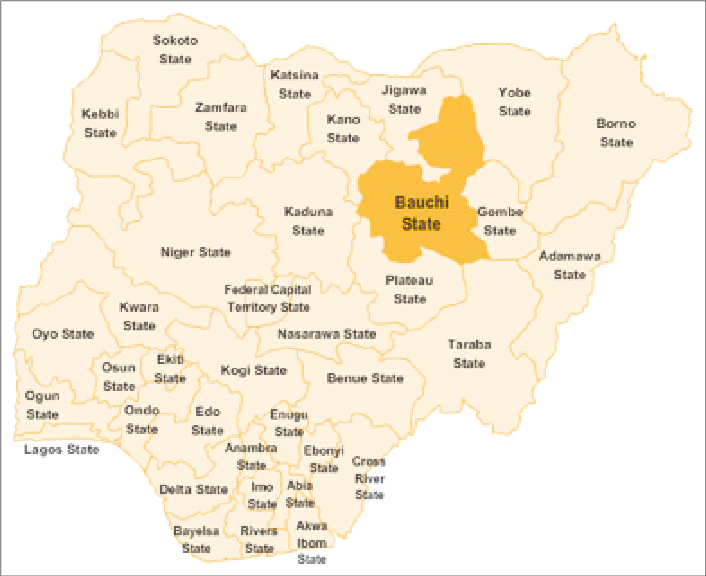
Governor Bala: What is the position of education in Bauchi State?

By Ukasha Rabiu Magama

The last time the Bauchi state government recruited teachers in its primary and secondary schools was in 2014-2015 when Dr Malam Isah Yuguda was in power. Since then, no single teacher has been employed again in the sector, though there have been cases of retirement, changes of cadres, and death.

It may not interest readers to hear that with these sad and unwelcome developments, Bauchi state has been enumerated among the states with many out-of-school children in Nigeria. According to UNESCO, in October 2022, Bauchi had the highest figures, amounting to 1,239,759.

These alarming figures are not unconnected to the government’s failure to recruit apt teachers, provide enough instructional materials and non-payment of staff salaries. This weird and mind-boggling development has thrown thousands of Bauchi kids out of school and, sadly, others to street begging and other criminal activities. 

Imagine a primary school having one teacher with a population of about 350 pupils. There are many schools in the Lame district of Toro local government with only one teacher. Also, not just Lame district but almost all primary schools in the state’s rural areas face similar problems. Pupils receive classes under the shed trees with no chairs. Hmm! Primary schools and even our secondary schools are in terrible condition.

Recently, the Daily Trust newspaper reported how the lack of teachers and infrastructure forced the closure of many primary schools and turned pupils into farmers in Alkaleri, the governor’s local government. Still, Daily Trust gathered that multiple public primary schools, especially in the semi-urban and rural areas of the state, are either run by volunteer teachers hired by the community development committee or by public-spirited individuals in their quest to attract parents and children who are shunning school.

Surprisingly, the authorities are aware of the situation. There was a time when Korijo Usman, the SUBEB director of state, told journalists that there were 79 primary schools in Misau’s local government, and each school had one teacher.

The governor had once condemned the system while expressing dissatisfaction with the Dumi school’s bad condition. He stated that he was unhappy with SUBEB and the state’s ministry of education. 

Therefore, if the governor can condemn the system and nothing has been done to fix it, then our kids’ future is at stake. Also, the government has indicated its ineptitude to restore the system.

If the World Bank and other NGOs could donate huge funds, just revamp the system. I accused the state government of embezzling the funds since nothing has been done yet.

However, the dilapidating condition of the schools must be attributed to the activities of vandals and the negligence of the host communities; government negligence contributed to nearly 70% of the problems. It is undeniable that unscrupulous elements are carting away schools’ belongings, having government agents as masterminders.

Therefore, education in Bauchi state is on the verge of collapse as there are many no’s. As such, I’m calling on the present administration of Bala Muhammad Abdulkadir to employ sufficient teachers, build enough classes, and renovate the abandoned ones as a matter of urgent public importance. 

Notwithstanding, paying teachers’ salaries on time and promoting those who are supposed to be promoted would help revitalise the education sector in the state; if not, the whole system will soon collapse, and the position of the state education sector will be nowhere to be found. 

Ukasha Rabiu Magama writes from Magama, Toro, Bauchi State, and can be reached at Ukasharabiu95@gmail.com.

Nigerian Army announces key promotions following retirement of 113 generals

By Sabiu Abdullahi

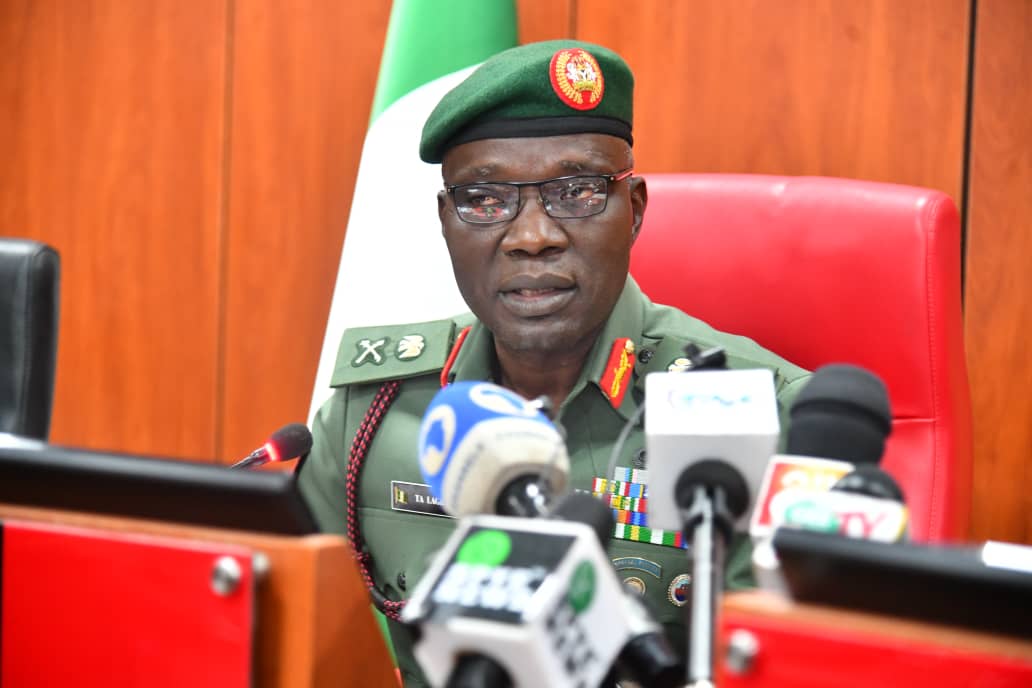
The Nigerian Army Council has approved promotions, elevating 47 Brigadier Generals to Major Generals and promoting 75 Colonels to Brigadier Generals.

This follows the recent retirement of 113 generals. 

Brig. Gen. Onyema Nwachukwu, Director of Army Public Relations, conveyed the Council’s decision on Friday, noting Chief of Army Staff Lt. Gen. Taoreed Lagbaja’s endorsement on Thursday. 

Notable promotions include Brig. Gen. WB Etuk, Commandant of the Nigerian Army College of Logistics and Management, and Brig. Gen. O Nwachukwu, appointed Director of Army Public Relations. 

Furthermore, key appointments include Brig. Gen. O Nwachukwu as the Director of Army Public Relations, Brig. Gen. EE Ekpenyong at the Nigerian Army Resource Centre, and Brig. Gen. SI Musa as the Director of Legal Service (Army).

The promotions also extend to officers transitioning from the rank of Colonel to Brigadier General. Notable figures in this group include Col. Nwakonobi, Chief of Staff at Headquarters 3 Brigade, and Col. PA Zipele, Commander of Signal Operations Command.

Dr Badamasi Inuwa emerges as ASUP chairman of Kano Polytechnic

By Uzair Adam Imam 

In a highly anticipated Academic Staff Union of Polytechnics (ASUP) election at the Kano State Polytechnic, Dr. Badamasi Inuwa, from the Department of Life Science, School of Technology, secured a resounding victory to become the newly elected ASUP Chairman. 

The election held today witnessed enthusiastic participation from lecturers across all six branches of the polytechnic. 

Dr Badamasi Inuwa emerged as the winner with a commanding total of 218 votes, triumphing over two other contenders for the coveted position of ASUP Chairman.  

His opponents were Engineer Shehu Saikayi from the Department of Electrical Engineering, SOT, and Bashir Umar Faruq from SGS.  

The Daily Reality reported that the atmosphere at the School of Technology buzzed with excitement and anticipation as the democratic process unfolded, shaping the future leadership of the union for the next two years. 

Dr Aminu Sabo, the chairman of the electoral committee overseeing the process, declared the election free and fair, praising the positive participation of lecturers.  

He remarked, “This is one of the best elections conducted in the history of this institution, with the highest number of candidates contesting.” 

The election, mandated as a biennial event, reflects the commitment to a regular turnover of leadership within the union, as stipulated in a letter dated December 15, 2023, from Malam Sulaiman Abdurrahman, the secretary of the electoral committee. 

Expressing his gratitude, Dr Badamasi Inuwa, the ASUP Chairman-elect, credited his victory to Allah and the collective support of the lecturers at Kano State Polytechnic.  

He pledged to work tirelessly to bring about development within the school, foster peace and unity among the lecturers, and ensure the delivery of quality education. 

Dr Inuwa affirmed, “My victory is a victory for all,” emphasising the collaborative spirit he intends to cultivate in his tenure as the ASUP Chairman.

A few important lessons about the highs and lows of life

By Suleiman Ahmed

1. When things are going well for you, remain humble. It’s not just about your hard work, intelligence, skills, or talents; factors like luck, good timing, opportunities, and privileges also play a role.

2. Conversely, when things are going bad for you, forgive yourself and avoid falling into despair. Some aspects are beyond your control. As long as you did what you had to, forgive yourself, learn from the outcome, correct your mistakes, and keep moving forward. 

3. You’re not as good as you think you are when you’re winning, and you’re not as bad as you think you are when things are going poorly. Take it easy.

4. Bad things will happen. It doesn’t matter if you’re a good person or not; bad things can happen to anyone. There are too many variables beyond your control. This is why it’s crucial to prepare for challenging days when things are going well. 

The Igala people have a wise saying: “In times of abundance, prepare for hardship.” Life isn’t all about feasting; there will be moments of famine. What you do during times of plenty determines how you cope during times of scarcity. A great year doesn’t guarantee the next one will be the same. Life is unpredictable. Another crisis might happen, or unexpected challenges may arise. 

Many things are beyond your control, so staying prepared is the best way to handle surprises. In essence, the Igala wisdom encourages prudence during prosperous times. It teaches us to resist the temptation to indulge in extravagant spending during good times and, finally, to adopt a sustainable life, diligently saving for unforeseen emergencies. 

A lack of preparation for the bad times exposes one to relying on charity from others for financial assistance when hard times eventually arrive. While this may not be wrong in and of itself, relying on people’s benevolence during emergencies is not only risky but also unfair to both yourself and the people you seek help from, especially if feelings of betrayal arise when they can’t rescue you. Numerous relationships have been strained due to one party’s inability to offer financial support during times of distress. It’s crucial to recognise that we don’t always know the challenges others are silently facing. Therefore, feeling offended or betrayed when they are unable to help is rather unkind. 

In summary, stay humble and frugal during good times, forgive yourself and remain patient during bad times, and stay prepared for the unexpected. While the future is unpredictable, being prepared helps you handle surprises better.

The path is long. 

The burden is heavy. 

May your arm be strong. 

May your sword be sharp.

Suleiman Ahmed is the author of TROUBLE IN VALHALLA. He is also a software engineer. He is available on X/Twitter via @sule365.

Why the Bauchi State government needs to rescue education

By Muhammad Miftahuddeen Isa

The plight of secondary school students in government schools across Bauchi State is getting worse by the day, and their situation, if left unattended, would do a lot of harm to the future of the State. 

Education is the key to civilisation; it influences growth and frustrates mediocrity in thoughts and aspirations. It, therefore, becomes pertinent to teach the right mindset to students, teachers and those saddled with the responsibility of providing quality education to our brethren. However, while orienting our brothers and sisters in secondary schools on how to succeed in life, we were baffled to learn that our schools lack adequate teachers to teach and guide students towards a prosperous future. 

BALAWSAN Law Week was my way of bidding farewell to the one-year service to the Bauchi State Law Students’ Association of Nigeria—as its President. But contrary to what people had imagined, all my programs centred on secondary school students. At least, that’s what many would say, even though the Members of BALAWSAN were never left behind.

We intended to unveil young men with great potential and build more capable leaders through mindset reorientation and capacity building. We have achieved that— through the direct beneficiaries of the programs— our members and the secondary school students—most especially during the Debate Competition we organised between Secondary Schools, where young, intelligent students were given the platform to display their oratory prowess and consequently, the chance to realise their worth and capabilities. I am happy with how things turned out, for I am confident now that we do not lack talents in Bauchi State; we lack the will to invest in them. I will explain this further in the subsequent paragraphs.

On the 26th of October, 2023, my team and I arrived at Sa’adu Zungur Model Secondary School at about 11 am for a Career Awareness Program, with which we declared open the first BALAWSAN Law Week, 2023. The School is among the most reputed Public Schools in Bauchi State, and naturally, we would expect their standards to fit their public image. The Principal gave us a warm welcome, after which we were ushered into the Hall booked for the event. 

My friend, who coupled as the Master of Ceremony, introduced the purpose for which we were there, after which I was invited to deliver a brief lecture on “what it means to be a Lawyer” and subsequently, Miss. Atika Garba Hassan and Mr. Bilyamin Aliyu Salisu— both fresh graduates of Law— delivered lectures on “The Requirements for Law Admission in Nigerian Institutions” and “The Mindset for Success”, respectively. It was both an exciting and impactful program for everyone until we started dishing out questions, and as expected, the students answered passionately. 

As is the practice, we allowed for questions from the audience. Both students and staff asked many important questions, but the one that occupies my mind even as I write this piece is: “Literature in English, as Miss. Atika has explained it is a requirement for a person who intends to pursue a career in Law, and we have no Literature on English teaching in this school. Not only in this School but in the whole of Bauchi State, we had two of them, one of whom is deceased now. The Government is doing its best. The question now is, how could our students be qualified to study law under this circumstance? Another thing is that we do not have sufficient teachers to teach Government.”

Ordinarily, every good citizen would find it troubling to know that one of the best public secondary schools in Bauchi has no teacher available to teach one of the most important subjects for every Art Class Student— I am a good citizen. To call this a disappointment is the highest I could go in leniency, and to call a spade a spade. It is the zenith of cruelty perpetrated by the government of Bauchi State, every stakeholder in the state’s education sector, parents, and all the people of Bauchi State. How could this be happening without anyone saying anything? This is a time bomb, and unless it is dismantled, an abode is guaranteed in hell for all of us— both the Actors and Spectators. If this is what we found out in less than the Two hours we had been in the School, how much more does the Ministry of Education know? How much more does individual School Management know? And how much more do we need to know before we act?

It is common knowledge that even the Commissioner and Directors of the Ministry of Education and Principals and Teachers of Public Schools do not have their wards enrolled in public schools, which has contributed to the criminal neglect of the schools. How can you be selling to people what you cannot use yourself? How can you ask people to trust the institution you steer when you do not trust such institutions with your children? But it is okay. I know they would rather point fingers than do the right thing, but at least these students— the ones we have neglected— should have qualified teachers capable of helping them (the students) achieve their goals. 

I know many schools face the same or worse challenges, and it is equally public knowledge that the State Government has the means to build roads; why would those funds not be diverted to support the God-given talents of the thousands of students caged in cave-like classrooms, with goals and the willingness to pursue them, but with no teachers to teach important subjects? Why would Parents have the energy to supervise the distribution of palliatives but turn a deaf ear to the intellectual sufferings of their wards? Why would Student Unions continue to waste funds on frivolous events even after knowing the problems bedevilling our brothers and sisters in schools? There are many whys, but the most important is why we call ourselves “human beings” when we peacefully sleep at night ignoring the plight of thousands of young promising students who have no one but us to fight for them?! Why?!

To fight this menace, all hands should be on deck to champion the change required to restore public confidence in public schools. The Government should provide a conducive environment for learning, engage the services of qualified teachers for every subject— in every school— and improve the welfare of both the teaching and non-teaching staff in the Education Sector. Adequate measures should also be implemented to ensure those saddled with responsibilities discharge them effectively. Parents should be willing to inquire about the things being taught in schools through diligent inspection of notes and friendly conversations tailored towards finding out the needs of their wards about their plans and whether the school can cover those efficiently. 

Student Union Leaders should accept the responsibility that comes with their titles; they should prioritise quality education through advocacy, and tangible projects centred towards achieving access to quality education and career guidance. Private Organizations should utilise the resources available for their corporate social responsibility, or a reasonable percentage thereof, to support the Government in realising access to quality education. 

We must do what we can to curtail this menace that feeds on the foundation of our civilisation and progress. Every one of us must do what we can to uphold the integrity and standards of our Educational System. Every Child deserves a fair chance at proving their worth and capabilities, and no child deserves a school that lacks the facilities to support their dreams. Everyone must be able to speak up when they see anything undermining the quality of education received anywhere— in private and public schools.

Muhammad Miftahuddeen Isa writes from Bauchi State and can be contacted via Muftahuddeenisa@gmail.com.

ASUP Kano State Polytechnic chapter gets new leadership

By Uzair Adam Imam 

The atmosphere in the School of Technology at Kano State Polytechnic was engulfed with anticipation as the Academic Staff Union of Universities (ASUP) election unfolded. 

Lecturers from all six branches of the polytechnic gathered to participate in the democratic process that would determine the leadership of the union for the next two years. 

The electoral committee had meticulously planned and organised the election, adhering to the constitutional provisions and code of conduct of the union. 

According to a letter dated December 15, 2023, from Malam Sulaiman Abdurrahman, the election was a mandatory biennial event, ensuring a regular turnover of leadership within the union. 

As the clock struck 8:00 p.m., the election kicked off with the candidates for the chairmanship position taking centre stage. 

Dr. Badamasi Inuwa from the Department of Life Science, SOT; Engineer Shehu Saikay from the Department of Electrical Engineering, SOT; and Bashir Umar Faruq from SGS all vied for the coveted role. 

The voting process proceeded smoothly as lecturers patiently waited in line to cast their votes, exercising their right to choose their representatives. 

Malam Sulaiman Abdurrahman, the secretary of the electoral committee, ensured that the election was conducted transparently and in accordance with the established guidelines. 

The election, scheduled to conclude by 3:00 am, saw lecturers patiently waiting to cast their votes, demonstrating a commitment to the democratic principles upon which the union was founded.

Advocating for Tangible Change: Open letter to Prof Isa Ali Pantami

By Muhammad Sani Usman

I hope this letter finds you in good health. I want to express my sincere gratitude for your consistent advocacy stressing the significance of skills over degrees.

Your dedication to highlighting practical skills as crucial assets in today’s dynamic world resonates deeply with many, myself included.

While you are one of my favorite Islamic scholars, I’d like to bring to your attention some noteworthy and concerning aspects regarding this advocacy:

As a prominent minister under former President Muhammad Buhari, having risen through the ranks from NITDA, addressing the dilapidated state of Nigerian universities should have been a focus. Reforming the system to incorporate skills in every profession would have been invaluable.

Considering the fourth industrial revolution, your emphasis on ICT skills is commendable. However, collaboration with the Senate committee for Education and NUC during your tenure could have established mandatory digital laboratories and ensured graduates are equipped with essential skills before leaving university.

Sir, It’s disheartening to observe many IT and computer science graduates lacking basic coding and programming abilities due to a flawed educational system. While you aren’t the Minister of Education, a more vocal advocacy for change would have been impactful.

Most importantly, recognizing the importance of industrial-scale skills like Project Management and other hard skills is essential. This will ensure that people from the North benefit from the economy of scale and are not marginalized in organizations.

While NITDA introduced boot camps to train youths in ICT skills during your tenure, the exclusive focus on Abuja limited accessibility for the broader population down the North.

Sir, the introduction of blockchain and the recent three million digital skills initiative by your predecessor, Kashif, suggested limited inclusion to these valuable skills. There’s a need to practicality train our people beyond introduction and give the capital at the very end.

Thank you for your time and consideration Sir.

Muhammad Sani Usman, is a graduate of Industrial chemistry from Kaduna state. Can be reached via muhdusman1999@gmail.com.

Customs boss Adeniyi unveils significant vision for customs advancement 

By Sabiu Abdullahi

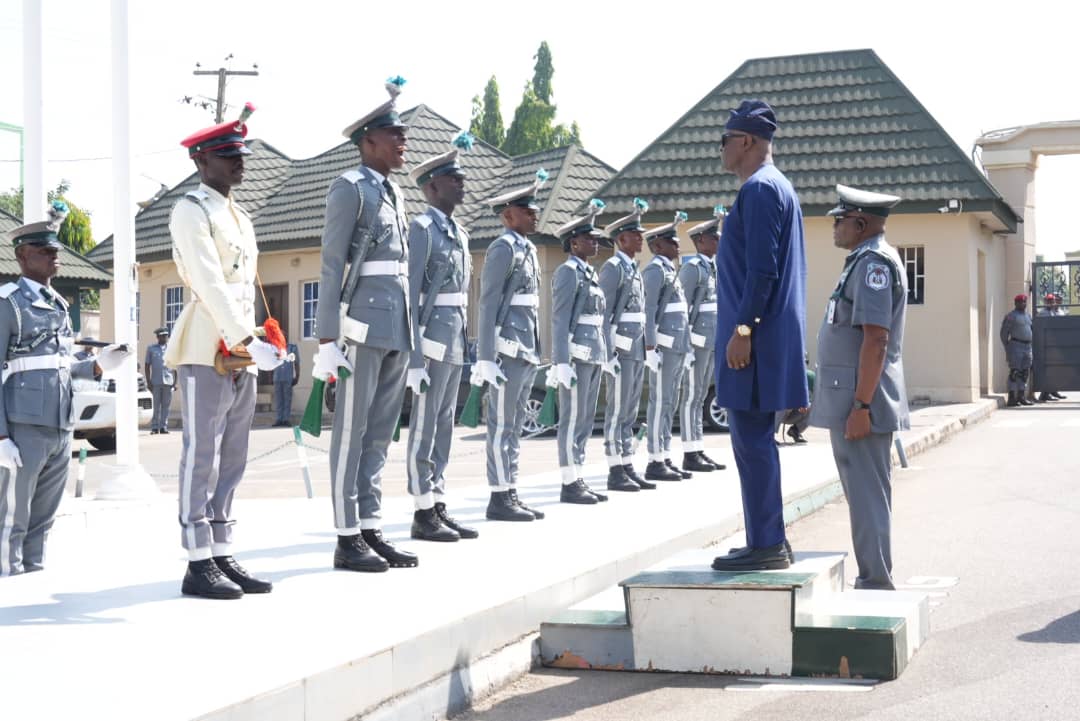
The Comptroller-General of the Nigeria Customs Service (NCS), Bashir Adeniyi MFR, hosted a prestigious gathering at the Management Quarters in Abuja on Tuesday, marking the culmination of 2023.

Among the distinguished guests were the British High Commissioner to Nigeria, Ambassadors of the United States and Germany, and representatives from the United Nations Office on Drugs and Crimes, as well as the World Bank. 

The event focused on reflecting on the Customs Service’s activities throughout the year, paving the way for discussions on innovative strategies to enhance efficiency. 

In his address to the diplomats, CGC Adeniyi showed the NCS’s commitment to harnessing new technological advancements.

He unveiled plans for the extensive deployment of scanners, the implementation of data analytics, and the adoption of open-door policies to foster collaboration with stakeholders, ultimately streamlining trade in the nation. 

Highlighting the responsibility to elucidate the new developments to stakeholders, CGC Adeniyi expressed the need for massive sensitization on the recently enacted Nigeria Customs Service Act 2023.

He emphasised ongoing initiatives to engage Area Controllers, ensuring a comprehensive understanding of the Act to augment their operational effectiveness, and characterising the new Act as ‘User Friendly.’ 

Moreover, the Customs Chief delineated the Act’s emphasis on automation processes, including the use of a single window and the authorized economy operators’ system.

He discussed the incorporation of Advanced Ruling and the expansion of scanner usage, signaling a progressive move towards modernization. 

Addressing the issue of wildlife smuggling, CGC Adeniyi reassured diplomats of his commitment to sustaining efforts against illicit wildlife trade in Nigeria.

He stressed the importance of international cooperation in customs activities and highlighted collaborative efforts with stakeholders. 

The diplomats commended the NCS’s dedication and pledged ongoing collaboration to combat wildlife trafficking and related criminal activities.

Yuletide: Tinubu reduces road transport fares by 50%

By Sabiu Abdullahi

President Bola Tinubu, in a bid to enhance the festive experience for Nigerians, has given the green light to a substantial reduction in interstate transport fares and complimentary train rides.

The announcement was made by the Minister of Solid Minerals Development, Mr. Dele Alake, during a press briefing at the Aso Rock Villa on Wednesday.

This beneficial directive will be in effect from Thursday, December 21, 2023, to January 4, 2024. 

President Tinubu’s approval entails a noteworthy 50 percent reduction in the price of interstate transport fares for individuals travelling during the yuletide season.

This cost-cutting measure extends to both minibuses and luxury buses, presenting significant financial relief for citizens embarking on holiday journeys. 

Commuters will also enjoy complimentary rides on all train services throughout the specified period.

This initiative aims to facilitate affordable and seamless travel options, fostering a spirit of togetherness and celebration during the festive season. 

Minister Alake conveyed the President’s dedication to ensuring the comfort and well-being of Nigerians during the holiday season.

He articulated, “It is in this wise that the President is announcing through us that beginning from tomorrow, December 21, Nigerians willing to travel can board public transport via mini buses, luxury buses at 50 per cent discount of current cost and all our train services on the route the trains currently serve at zero cost on their travels this holiday season..”

Impact of communication skills on our daily interactions

By Abubakar Aminu Ibrahim

Communication is vital to human interaction, influencing relationships, emotions, and outcomes. In all languages, the impact of communication skills is profound, especially in expressions of greetings, well-wishing, congratulations, condolences, and the like. While these expressions are often used to convey positive intentions and goodwill, how they are communicated can significantly affect the recipient’s feelings and perceptions.

In Hausa culture, for example, greetings are essential to daily interactions, reflecting respect, courtesy, and social harmony. Appropriations of greetings demonstrate politeness and establish a positive tone for communication. However, the impact of greetings goes beyond mere words; it encompasses the tone of voice, body language, and facial expressions. A warm and sincere greeting can make the recipient feel valued and respected, while a cold or indifferent greeting may convey disinterest or disrespect, leading to negative feelings.

Well-wishing is another crucial aspect of communication in our daily encounters, especially in the context of prayers for someone’s well-being or success. This is something that seems cordial yet can be volatile. Whether it is praying for someone to have a child, to get rid of poverty, or to find a job, how these wishes are expressed matters significantly. The spot where such utterances are made can make or mar the situation.

For example, when offering prayers for someone to have a child, it is quite unnecessary to say it to their face. It is often like reminding them and telling those around them how childless they are! Then, is it really necessary? Prayers can be both general or precise, thanks to the fact that Allah is always aware of our inner intentions. Thus, such prayers can be positively concealed in a more general term. “May Allah offer your wishes”, “May Allah reward you with Jannah/bless your family”, etc., cannot harm, I guess.

A similar reproach is often experienced when offering consolations. The manner, tone and words used can reflect civility and ensure privacy yet remain empathetic, hopeful, and positive. A well-expressed prayer can uplift the recipient’s spirits and strengthen their resolve. In contrast, a poorly articulated wish may appear insincere or lacking in empathy, potentially causing emotional distress. Consider a situation where an ill person (who needs support and encouragement) is constantly being told how he is wasting weight! Is that consoling or condemning? Instead of extending the tender support required, we often extend emotional pain and wash away the little drops of hope in the patient.

Similarly, congratulations are often extended to celebrate achievements or milestones in a person’s life. Whether congratulating someone on a promotion, a wedding, or any other accomplishment, the manner of expression can enhance or diminish the recipient’s joy. A heartfelt congratulatory message conveys genuine happiness and support, whereas a superficial or casual expression may undermine the significance of the achievement, leading to feelings of disappointment or devaluation.

In conclusion, the impact of communication skills is profound, especially in expressions of greetings, well-wishing, congratulations, condolences, and their likes. How these expressions are communicated can significantly affect the recipient’s feelings and perceptions, shaping the quality of interpersonal relationships. Without diplomacy and sensitivity in communication, even well-intentioned expressions can have unintended negative consequences. Therefore, it is essential to cultivate effective communication skills to convey goodwill and ensure that our words and actions do not inadvertently cause harm. Without diplomacy, we may do more harm than good despite our noble intentions.

Abubakar Aminu Ibrahim wrote from Katsina via matazu247@gmail.com.