Month: December 2023

Sheikh Dahiru Bauchi’s letter: I am surprised by those who are surprised

By Dr. Dikko Muhammad

I’m surprised that some people find the said letter of Sheikh Dahiru Bauchi surprising. The fact is that many Nigerians see the courts as departments for the pursuance of politicians’ interest and more often, as stalls for the sale of “justice” to the highest bidder. And they have reasons to believe so. Why?

Senator Bulkachuwa told the Senate, on camera, that his wife, a former President of the Nigerian Court of Appeal, “extended her help to his colleagues” while in office.

A recently retired justice of the Supreme Court complained a lot of its workings. Not to mention the complaints against the top Oga of the Supreme Court who once led other justices to complain against the former top Oga of the Supreme Court.

Series of conflicting judgments are becoming a defining feature of ours courts.

The idea of the court as an umpire is fast becoming extinct. If any unknown backbencher politician wants me lock up tomorrow, being Sunday, don’t be surprised for the lines of judges ready to grant his request.

Where justice is delayed and denied, fears and favours determining verdicts, faith in the court is eroded. This is why our country has become a planet of jungle justice. People think that the courts are haven for criminals. The densely populated prisons in Nigeria are a repulsive testimony to the putrid stench of our entire judicial system.

So, it’s now left for our courts to either redeem their battered image or continue to sink into the abys. They’re designed to be the last refuge for the oppressed, not a refuse for the oppressor. If writing a letter would make it deliver justice, we should all be letter writers to the Supreme Court.

Dikko writes from Katsina State, Nigeria.

Police rearrest Kano criminal ring leader who feigned repentance

 By Sabiu Abdullahi 

The Kano State Police Command has apprehended Bahago Afa, a suspected criminal ring leader, along with six associates, on charges of armed robbery. 

This comes after Bahago Afa, who had reportedly repented recently, was rearrested by the police. 

The State Commissioner of Police, Usaini Gumel, revealed the development during a Friday parade. 

Gumel noted the successful neutralization of criminal networks that had contributed to thuggery, armed robbery, and various criminal activities in the state. 

Addressing the press, Gumel stated, “Already, there are over 700 repentant criminals on our lists, and anybody among them that dares to go back will be declared an enemy of peace just like Bahago Afa and others.” 

He added, “Today, we have taken care of Daba ‘thuggery,’ but they are today carrying out robbery activities, and conducting an organized crime that is now nothing but robbery.” 

Gumel said the commitment of the police to maintaining peace, urging citizens to assist in the apprehension of the remaining 72 individuals declared as enemies of peace.

“Anywhere police or any other person sees them, they should arrest them and bring them before the police,” he declared.

Colloquium where Nigerian economic history was reviewed

By Ibrahim I. Waziri

When I saw the flyers announcing the theme of this year’s colloquium (16th December 2023) – “Political/Economic Formulas for National Development” – I couldn’t help but get excited. Though I work at a university where expert colleagues analyse the state of the nation during daily breaks, I felt ready for fresh perspectives on the current political and economic implications of the recent ECOWAS sanctions on Niger and how they impact us, particularly Nigerian businesses in the North.

My excitement stemmed from two key factors. First, the colloquium was to be held in Sokoto, one of the Nigerian states bordering Niger, which bears the brunt of the sanctions most. Second, the convener, Mallam Zayyanu Yabo, is the current Chairman of the Sokoto Professionals Network, a body dedicated to showcasing the abundant economic opportunities within Sokoto and putting the state on the national map.

However, Dr. Chima Amadi, the keynote speaker and a scholar-businessman, not only impressed the audience with his expertise but also left us with thought-provoking questions at the end of his presentation. After refocusing the theme solely on economics and development (much to my surprise not giving room for the ECOWAS-Niger political angle), he delved into defining “positive development” as possibly anything that leads to poverty reduction.

He then provided an insightful review of Nigerian economic history, highlighting the struggles associated with various economic frameworks adopted over the past 63 years since independence.

These included ten different economic plans, Washington Consensus-inspired structural adjustment programs under Babangida, Obasanjo’s NEEDS (also Bretton Woods institutions influenced), and later approaches that haven’t strayed far from past strategies. Dr. Amadi pointed out that these national planning and economic strategies were often prescribed by agenda-driven foreign institutions, potentially lacking a comprehensive appreciation of Nigeria’s history, local realities, and perhaps even neglecting its best interests.

The result, as statistics sadly demonstrate, he concluded, is a Nigeria far from achieving poverty reduction and ranking low on every reputable international survey on human development indices.

The solutions, he suggested, might include, among other things, looking into the journey of some contemporary nations with relative success in economy and development. The Asian Tigers abandoned Bretton Woods institutions’ prescriptions and are far better off than us. Perhaps we should focus more on local content, since development by its nature is organic and self-conscious, not externally prescribed and sourced!

This point resonated most with the audience and the panellists during the discussion session thereafter, as statistics reveal that about 65% of the country’s current GDP is not contributed from the formal structured economy that currently cannot be thoroughly analysed.

Among the lead panellists, one immediately pointed out how in some Asian Tiger countries, their indigenous cultural institutions before colonialism are still relevant constitutionally, providing needed social focus and keeping national planning consistent. 

An issue about the relationship between local businesses and research output from our institutions of higher learning was observed to be almost non-existent, with intellectual property laws seeming ineffective and indigenous ideas prone to theft within and across national borders.

Another erudite barrister, Kingston Chikwendu, building on an earlier submission about gender and youth inclusion, observed that the question of local content and inclusion stands front and centre even at the venue of the colloquium. He questioned why we gather in Sokoto, speaking in “exotic English” about economy and development in a language that the majority of the state’s economic demographic cannot understand. He suggested that in the future, provision should be made for at least a real-time translation of proceedings into Hausa, fulfilling the keynote address’s first prescription for local content and inclusion.

This last point reminded me of the often-repeated sentiment that if our local languages had been our medium of instruction at secondary school level, where substances like sulphur and potassium were taught in Chemistry classes as “Farin Kasa” and “Kanwa” respectively, we would have appreciated their value better and explored their economic relevance more. Between us and our grandmothers, we might have been able to come up with mixtures with the potential for inventions with significant personal and societal economic benefits.

The session for me was a high dose of concentrated intellectual elixir. Though the keynote address dropped the political angle of the theme, denying me the opportunity to see issues related to the ECOWAS sanctions on Niger and their attendant implications on Nigeria’s economy and security problems discussed, I can still say I got more than enough.

The Sokoto colloquium is putting the state in the news for all the right reasons. The session was attended by representatives of the Sultan of Sokoto and the state governor; and it received wide coverage by national news outlets. The deliberations are being heard by policymakers. Our prayers go to God to strengthen the will and wings of the convener as well as supporters across the nation. Nigeria is in dire need of robust policy review forums like what Sokoto colloquium offers.

Ibrahim A. Waziri wrote from Zaria, Kaduna State. He can be reached via iawaziri@gmail.com.
‘The wealthy should help the poor,’ says Tinubu’s wife in Christmas message

By Sabiu Abdullahi 

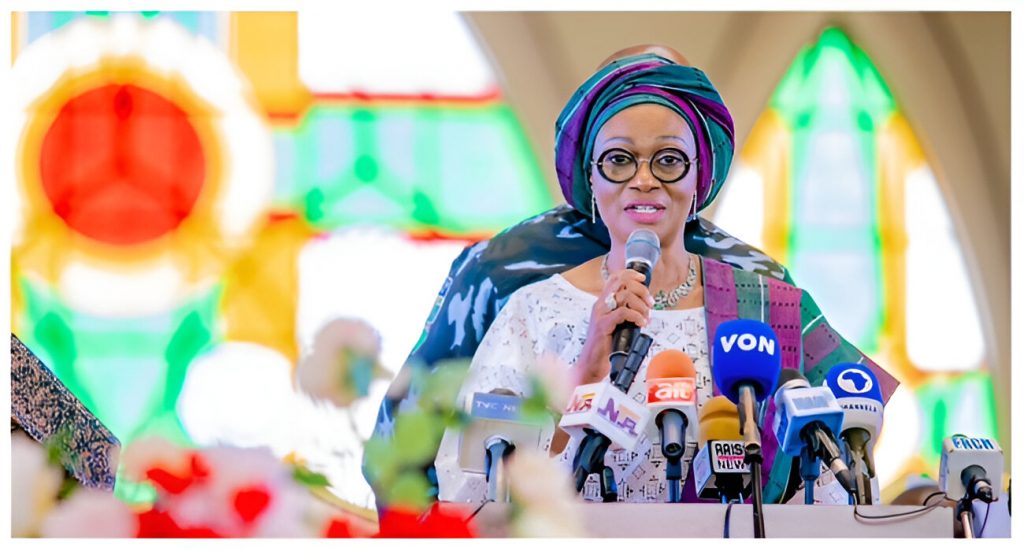
Senator Oluremi Tinubu, the wife of President Bola Tinubu, shared a message of hope and positivity during her Christmas address on Saturday. 

Hosting an elaborate Christmas party for the children of Nana Berry Orphanage in Abuja, the first lady expressed her optimism for the upcoming year. 

“As we go into the year 2024, our message should be how to transform the lives of the young ones,” Senator Tinubu said. 

Advising parents, she encouraged them to avoid discussing poverty in front of their children, highlighting that Nigeria is not a poor nation. 

“The wealthy ones should also take care of the poor ones and make them wealthy; that is all it takes,” she added. 

Senator Tinubu addressed the issue of poverty, noting that it has been taken out of context and is negatively impacting the youth. 

“We have to give them hope and show them the positive life. We are entering a glorious year, and those who believe that it is going to be glorious will enjoy it,” she affirmed.

During the Christmas party, Senator Tinubu engaged with the children, sharing a Bible story and emphasising the importance of parents instilling good morals in their wards. 

“Parents are supposed to tell the children Christmas stories; that is what we all grow up with,” she remarked, urging a shift in the narrative of what Christmas represents in the State House.

Media cohorts award youths under thirty in the North

By Uzair Adam Imam

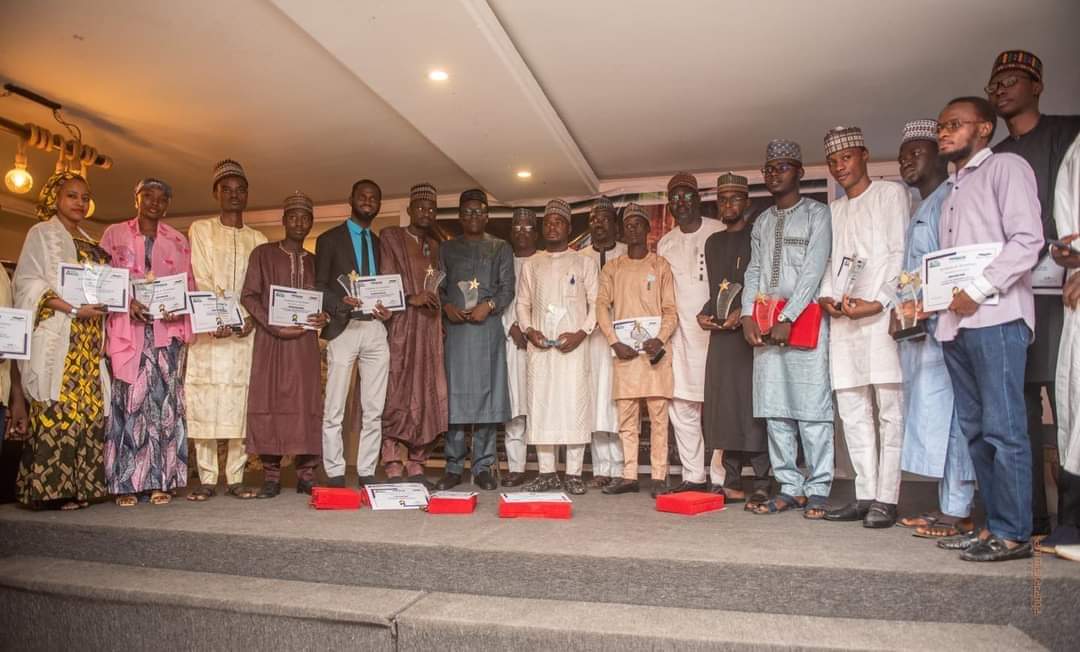
In a spectacular event held at Tahir Guest Palace on Friday, PR Nigeria, in collaboration with Daily Nigeria and Arewa Agenda, recognized and awarded thirty exceptional youths under the age of thirty for their outstanding achievements in various fields.

The ceremony aimed to showcase the remarkable talents of young individuals from northern Nigeria who are actively contributing to the development of their states and the nation as a whole.

Dr. Musa Sufi, one of the organizers, highlighted the significance of the event, stating that it serves as a testament to the innovative minds thriving in northern Nigeria.

He emphasized the need to present these accomplishments to the world, inspiring and motivating other young people to strive for excellence in their endeavours.

Addressing a prevalent issue, Dr. Sufi pointed out the communication gap between the older and younger generations, emphasizing the lack of mentorship for the youth.

He urged both the government and non-governmental organizations to innovate and develop initiatives that align with exploring the immense potential and strength of young people.

Among the esteemed awardees was Aliyu Idris, a final year student at Bayero University. Expressing his joy, Idris acknowledged the challenges of being selected among over seven hundred nominees and considered his education award as a prestigious recognition.

He attributed his success to determination and unwavering commitment to achieving his goals.

Abdulhafiz Abdullahi Aliyu, another awardee from Jos, expressed his excitement about being recognized for his organization, Sunna Techlap, which he established within a year.

He shared his gratitude for the acknowledgement and the opportunity to receive the award, emphasizing the pride of being invited from Jos.

The event drew a distinguished audience, including notable academics such as Dr. Bala Muhammad, and Dr. Sule Yau Sule, Dr. Kabiru Sufi Said, and prominent figures from the Kannywood industry, including actresses like Mommy Gombe and producers.

The diverse attendance underscored the broad support for celebrating and encouraging the accomplishments of young individuals in the northern region.

As northern Nigeria takes a step to bridge the generational gap and provide recognition to its talented youth, the hope is that these initiatives will continue to inspire and foster a culture of excellence and innovation among the younger generation.

Customs board announces key appointments, promotions

By Sabiu Abdullahi

In a convention chaired by the Honourable Minister of Finance, Mr. Wale Edun, the board of the Nigeria Customs Service confirmed the appointment of two Assistant Comptrollers General (ACGs) and approved the promotion of 2209 senior officers. 

This is contained in a statement signed by the spokesperson for the service, Abdullahi Maiwadah. 

The Nigeria Customs Service Board (NCSB) convened its 58th regular meeting on Tuesday, December 19, 2023, at the Nigeria Customs Service Headquarters. 

ACG Florence Nano Ogar-Modey and ACG Queen Ogubudu were confirmed as substantive members of the NCS Management Team during the meeting.

The comprehensive promotion list includes both General Duty (GD) and Support Staff (SS) personnel who demonstrated outstanding performance in the 2023 promotion exercise.

The breakdown of promoted officers covers various ranks, from Inspector of Customs to Customs Comptroller.

Notably, special promotions were approved for fourteen officers in recognition of their exceptional performance in various assigned responsibilities. 

Among the newly promoted comptrollers are TM Daniyan, F Fajana, N Isyaku, MV Umana, AC Nwobi, F Abdulqadir, HK Ejibunu, FM Ojiofor, IN Aliyu, MD Malah, EO Oshoba, JK Oladeji, E Luka, AP Daruaku, FM Ojeifor, IN Nwokorie, EJ Harrison, and others. 

The Comptroller-General of Customs, Bashir Adewale Adeniyi, MFR, extended heartfelt congratulations to the newly appointed and promoted officers.

According to Maiwadah, the comptroller urged them to redouble their efforts in fulfilling crucial roles such as revenue generation, trade facilitation, and the suppression of smuggling.

These efforts, he emphasised, are essential for enhancing the NCS’s pivotal role in bolstering Nigeria’s socio-economic well-being.

NCS Officers embrace festive cheer at “Dine and Grill with the CGC” Christmas carol service

By Sabiu Abdullahi

The Nigeria Customs Service (NCS) Management Quarters resonated with the joyous melodies of Christmas carols as officers and the management team came together for a heartwarming celebration.

Hosted by Comptroller General of Customs, Bashir Adewale Adeniyi, the event, themed “Dine and Grill with the CGC,” aimed to foster a sense of unity and festive spirit among the customs community. 

CGC Adeniyi, extending warm Christmas wishes, encouraged officers to embrace the true essence of the season—love and forgiveness. Beyond official duties, he emphasised the importance of coming together to relax and enjoy the company of colleagues, turning the NCS Management Quarters into a festive haven. 

The Christmas carol service was a lively affair, featuring musical performances, dance, and vibrant decorations.

The officers actively participated, reinforcing a spirit of togetherness and goodwill. CGC Adeniyi’s call to imbibe the Christmas spirit resonated, creating an atmosphere filled with laughter and joy. 

The event provided a well-deserved break for officers, offering a moment to unwind and reflect on the year’s achievements.

CGC Adeniyi expressed gratitude for their hard work and dedication, highlighting the significance of maintaining a positive work environment.

In his closing remarks, CGC Adeniyi not only thanked the officers but also urged them to carry the festive spirit into the upcoming year.

Manchester City win Club World Cup

By Sabiu Abdullahi

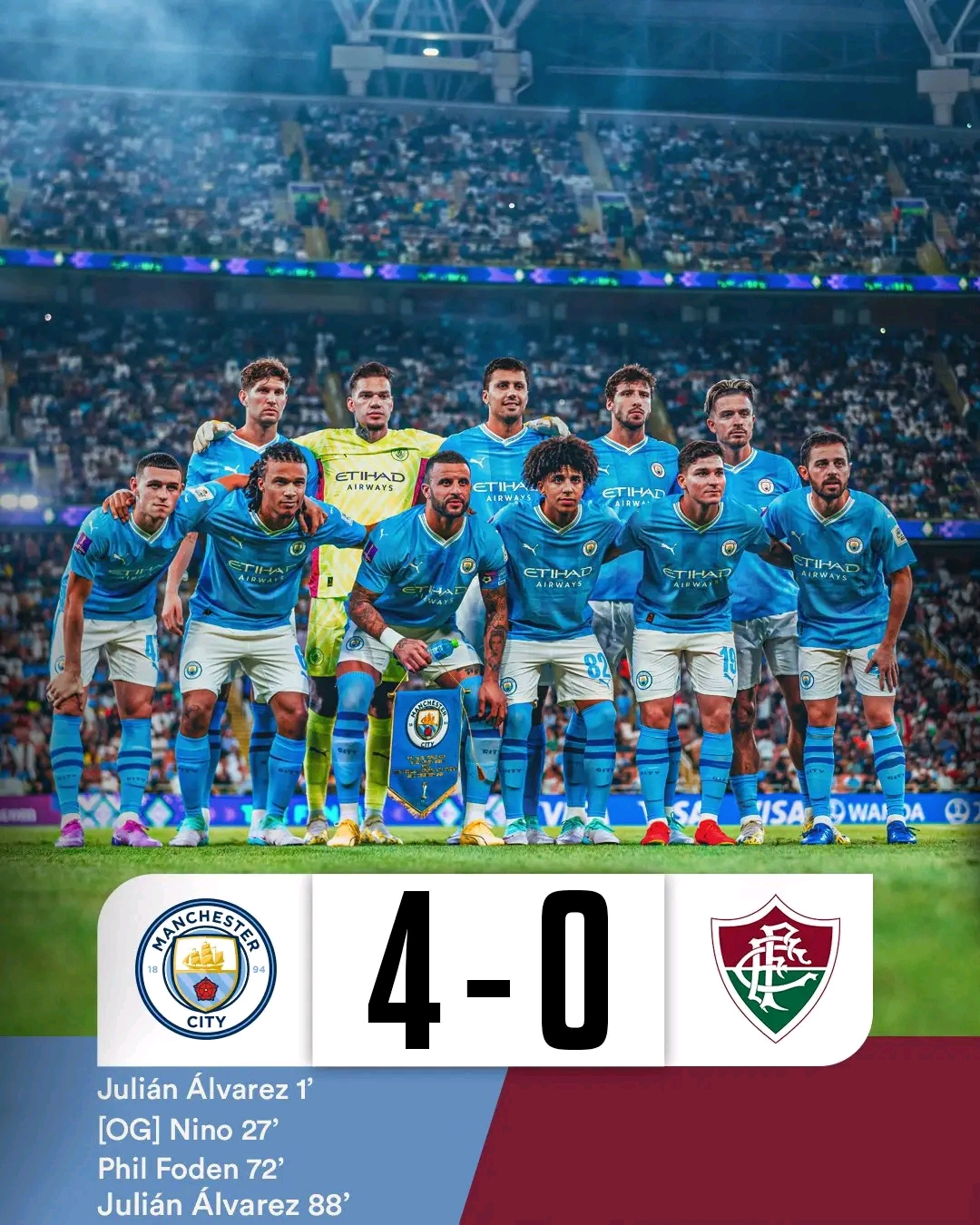
Manchester City reign supreme as world champions after a mesmerising 4-0 demolition of Brazilian giants Fluminense in the Club World Cup final.

Pep Guardiola’s men etched their names in global football history, capping a phenomenal season with the ultimate trophy. 

City’s dominance was relentless. Alvarez struck early, Nino gifted an own goal as Alvarez and Foden added two more, leaving Fluminense chasing shadows.

This emphatic victory is more than silverware; it’s a coronation. City, after years of European and domestic mastery, finally conquer the world stage, proving themselves the planet’s finest. 

Guardiola, architect of this triumph, hailed his players: “This cup is a testament to their relentless pursuit of excellence.” This win transcends City; it bolsters English football, crowning them the fourth nation to conquer the world, showcasing the Premier League’s global might. 

Manchester City’s World Cup victory isn’t just a footballing feat; it’s a cultural beacon. Their dedication and teamwork inspire fans worldwide, proving that the sky’s the limit.

CBN instructs banks to disregard initial ban on cryptocurrency

By Abdurrahman Muhammad

The Central Bank of Nigeria’s financial policy and regulation director, Haruna Mustapha, announced in a circular on Friday.

The central bank has issued guidelines and regulations for banks on managing cryptocurrency in accordance with global standards to prevent misuse. They also urge banks to comply with these guidelines and regulations.

See the full statement below: 

FPR/DIR/PUB/CIR/002/003

CIRCULAR TO ALL BANKS AND OTHER FINANCIAL INSTITUTIONS

GUIDELINES ON OPERATIONS OF BANK ACCOUNTS FOR VIRTUAL ASSETS SERVICE PROVIDERS (VASPs)

The CBN in February 2021 issued a circular restricting banks and other financial institutions from operating accounts for cryptocurrency service providers in view of the money laundering and terrorism financing (ML/TF) risks and vulnerabilities inherent in their operations as well as the absence of regulations and consumer protection measures.

However, current trends globally have shown that there is need to regulate the activities of virtual assets service providers (VASPs) which include cryptocurrencies and crypto assets. Following this development, the Financial Action Task Force (FATF) in 2018 also updated its Recommendation 15 to require VASPS to be regulated to prevent misuse of virtual assets for ML/TF/PF.

Furthermore, Section 30 of the Money Laundering (Prevention and Prohibition) Act, 2022 recognizes VASPs as part of the definition of a financial institution. In addition, the Securities and Exchange Commission (SEC) in May 2022 issued Rules on Issuance, Offering and Custody of Digital Assets and VASPS to provide a regulatory framework for their operations in Nigeria.

In view of the foregoing, the CBN hereby issues these Guidelines to provide guidance to financial institutions under its regulatory purview in respect of their banking relationship with VASPs in Nigeria.

The Guidelines supersedes the CBN’s circulars referenced FPR/DIR/GEN/CIR/06/010 of January 12, 2017 and BSD/DIR/PUB/LAB/014/001 of February 5, 2021 on the subject. However, banks and other financial institutions are still prohibited from holding, trading and/or transacting in virtual currencies on their own account.

Accordingly, all banks and other financial institutions are hereby required to immediately comply with the provisions of the Guidelines.

HARUNA B. MUSTAFA

DIRECTOR, FINANCIAL POLICY AND REGULATION DEPARTMENT

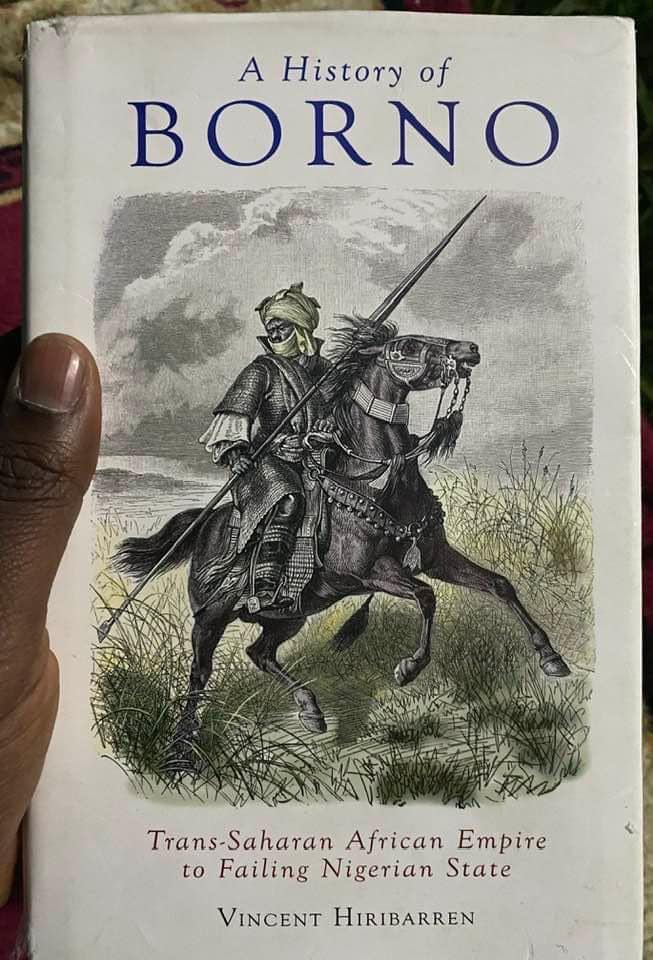
BOOK REVIEW: A History of BORNO: Trans-Saharan African Empire to Failing Nigerian State

Author: Vincent Hiribarren

Date of Publication: 2017

Number of pages: 310

Publisher: Hurst & Company, London

If you knew very little about the territorial framework of the Borno empire before now, then reading this book might likely shatter some previously held notions about the region. Borno has, in recent years, notoriously gained renewed academic attention as a result of the Boko Haram insurgency. Spoiler alert: this book isn’t about the origin of Kanuri or other inhabitants.

Although the Borno empire found its roots in the 8th century, this book covered only the past 200 years of the kingdom’s existence. Therefore, the 8 chapters of the book started at the beginning of the 19th century down to around 2014 when the research for its publication was concluded. The author seemed very mindful of the political significance of the Borno empire following the Fulani jihad, even if the invasion had a different outcome, but that’s another topic entirely.

The earlier section of the book highlighted the spatial continuity of the territorial framework of Borno, which argued that fairly stable structural borders existed well before colonial times. This was a pivotal juncture, as discussed later in the book, for the ‘scramble for Borno’, where the 19th-century spatial frameworks were used to legitimise conquest by foreign invaders. It proved important even in the European colonial competition against each other.

Later on, the book explored how, essentially, the British and the Germans recycled the Borno region within their colonial spatial framework with an additional detailed perspective of the Indirect rule. It didn’t stop there, it goes on to analyse how, in reality, the colonial administration of Borno during the early colonial period played a decisive role in the preservation of its territorial continuity.

Navigating this book, you need to have an incredible tolerance for some nitty gritty details. The writing style is aggressively academic, and it is filled with flayed raw materials to inspire further reading. It is definitely not a very easy-to-read book but rather a slice of rock-hard brain playground! It’s very clear that the author is a cartography freak.

The book itself must have been inspired by the thesis undertaken by the author while pursuing a PhD at the University of Leeds in the UK with the title “From a Kingdom to a Nigerian State: the Territory and Boundaries of Borno 1810-2010”. The author teaches African History at King’s College London.

Dr Shamsuddeen Sani wrote from Kano, Nigeria.