Month: November 2023

Labour unions temporarily suspend nationwide strike after Ribadu intervened

By Sabiu Abdullahi 

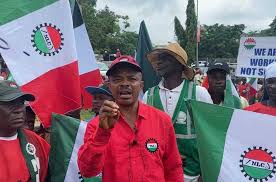
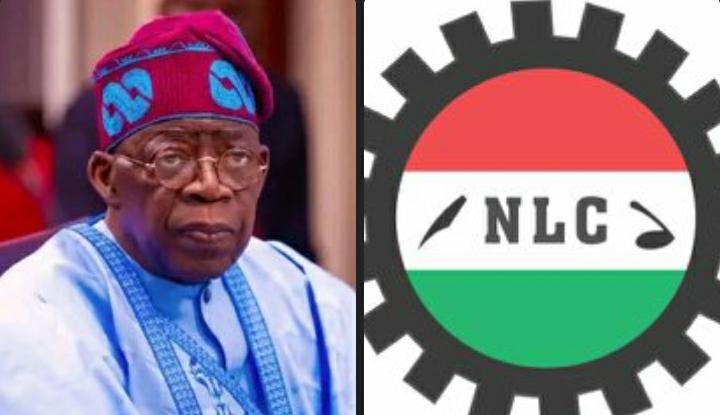
The Nigeria Labour Congress (NLC) and Trade Union Congress (TUC) have temporarily suspended their nationwide strike following mediation by the National Security Adviser (NSA), Nuhu Ribadu. 

The decision, announced after a one-hour meeting, reflects the unions’ trust in Ribadu’s commitment to addressing their concerns without political bias.

The National Deputy President of the TUC, Tommy Etim, clarified that the suspension is temporary, pending the government’s response to their demands. 

The strike, triggered by an alleged assault on NLC President Joe Ajaero during a protest in Imo State, prompted the NSA to apologize for the incident and assure the labour leaders of justice.

While the labour unions find solace in the NSA’s intervention, the organised Private Sector (OPS) criticizes the timing, expressing concerns over potential economic repercussions. 

The nation awaits further developments as the temporary suspension hinges on the government’s actions within the specified timeframe.

Can AI surpass human intelligence?

By Muhammad Ubale Kiru

Whether Artificial Intelligence (AI) can surpass human intelligence is a complex and debated topic. Many scientists, AI users, and observers have argued whether what we see in movies regarding AI surpassing human intelligence will come true. I have asked this question several times, and colleagues at work and friends on social media have asked me whether this myth can be true. Since then, I have been gaining momentum, strength, and proof to be able to answer this question.

However, something triggered my urge to share my thoughts on this question today after I received a notification from OpenAI. This company developed the famous ChatGPT, informing users about their new “Terms of Use and Privacy Policy.” One of their newly updated clauses says, “We have clarified that we may collect information you provide us, such as when you participate in our events or surveys.”

The above statement has directly or indirectly revealed that if you agree to use ChatGPT, you must surrender to the fact that OpenAI will collect personal user information for research and training purposes. A non-specialist will not understand the implications or consequences of that. One may think it is an ongoing activity because social media companies like Facebook, X (formerly Twitter), etc.) collect users’ personal information for business and quality assurance purposes.

So, what is the real implication here?

It is simple. AI and machine learning algorithms are like weeds on a plant. They rely heavily on data to learn. The more data they consume, the more intelligent they become. Most of us are already using AI to solve our day-to-day activities and problems. For instance, tasks that used to take me seven days to complete can now be done in 10 minutes. I am handing over my tasks to AI to handle them for me.

Each time I ask AI to handle my task, AI is learning the task more and more. Humans perfect their skills through constant and regular learning. Now, I’m handing over most of my tasks to AI; AI learns while I lose because previously, I learned from my work experiences, and now AI does the work for me. AI is becoming more intelligent and capable, while I am becoming less intelligent and less capable. By the way, I’m not the only one in this mess. Nowadays, even programmers who rely on constant practice to improve their coding skills are also using AI to generate codes or programs that used to take months to complete.

ChatGPT, for example, is used by millions of users daily. When it was first developed, they used random internet data to train its learning models. Now, they are using real-time human input (data) to train the AI. If you look at the core foundation of any AI in the world, it is designed to capitalise on learning from its environment. Our phones are AI-enabled, laptops are AI-enabled, web apps, games, calendars—everything is now AI-enabled. The more we use AI, the more AI learns about us.

Today, your phone keypad knows more about your words and thoughts than you know yourself. As you begin typing, it completes the rest for you. So, with time, your AI-enabled devices would learn more about you than you could ever learn about yourself. Thus, what is left of us if AI has learned everything about us? In Sun Tzu’s book, The Art of War, he says, “Knowing your enemy is akin to winning half the battle. Understanding their strengths and weaknesses provides a strategic advantage that can pave the way to victory.”

The question of whether AI can start a revolution or take over the world, as we have seen in movies, is another debate for another day. The Tesla CEO Elon Musk and AI guru Lex Fridman are among the few people in the world who are always concerned about the potential danger of AI and have continued to call for regulations before AI gets out of hand. The technology has very speedy and staggering growth potential. It is growing at a breakneck pace right now.

To this end, I urge policymakers and regulatory bodies to take necessary precautions before AI gets out of control. AI is undoubtedly powerful, and if unleashed without caution, it can create devastating chaos.

Let me hear your thoughts in the comment box.

(c) Muhammad Ubale Kiru

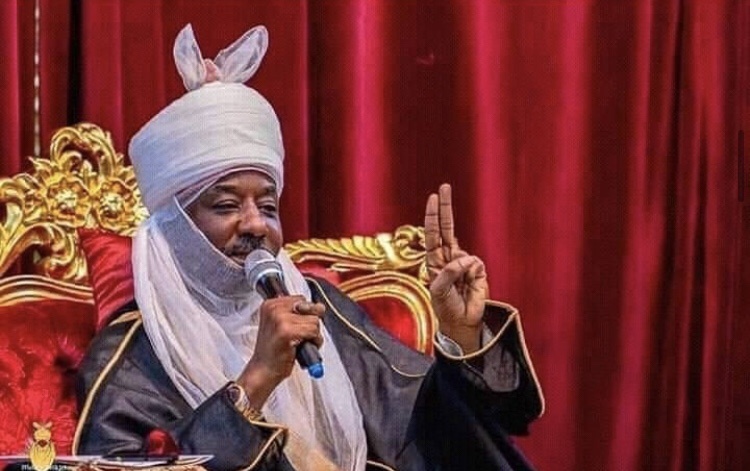
Ex-CBN chief Sanusi II criticizes ex-President Buhari’s economic policies

By Sabiu Abdullahi 

Former governor of the Central Bank of Nigeria (CBN), Muhammad Sanusi II, voiced concerns over the inflationary pressures and devaluation of the naira caused by the CBN’s lending to the federal government through Ways and Means during the administration of former President Muhammadu Buhari. 

He stated this in a recent statement at MTN Capital Markets Day. 

Sanusi highlighted that the central bank had pursued aggressive monetary tightening using various liquidity control instruments, including open market operations, open buyback (OBB), and high T-bill rates. 

This, he noted, demonstrated the bank’s commitment to its core mandate of ensuring financial system stability and controlling inflation. 

Expressing optimism for the short term, Sanusi acknowledged the recent efforts by the central bank to address the issue.

He pointed out that the central bank had initiated a process of aggressive tightening, evident in the OBB rates approaching appropriate levels in the last few weeks. 

While recognizing the central bank’s ability to employ different instruments to mop up excess money, Sanusi emphasized the importance of minimizing costs to both the central bank and the government’s balance sheet.

He noted the necessity of relying more on non-conventional instruments for this purpose. 

Sanusi urged understanding from the audience, stating that the effects of new monetary policies take time to manifest.

He expressed confidence in the current measures being undertaken by the central bank, emphasizing the importance of tightening money, addressing backlogs, and funding the market for achieving stability in the financial system.

Old naira notes remain legal tender indefinitely—CBN

By Sabiu Abdullahi 

The Central Bank of Nigeria (CBN) has declared an indefinite extension of the legal tender status for the old design N200, N4500, and N1,000 denominations.

These banknotes will continue to be accepted as valid currency in Nigeria without a specified deadline. 

The decision, communicated in a statement released on Tuesday, is explained as being in accordance with international best practices and aimed at preventing a recurrence of past challenges.

The CBN emphasized the importance of aligning with global standards in this decision. 

Furthermore, the statement revealed that the CBN is actively collaborating with relevant authorities to overturn an existing court ruling on the same matter.

This indicates the central bank’s commitment to streamlining currency policies and ensuring a smooth transition in the acceptance of various denominations. 

As a result of this extension, Nigerians can expect the continued circulation and acceptance of the mentioned banknotes in day-to-day transactions, providing stability and flexibility in the country’s monetary landscape.

Business quagmire forces Kano man to commit suicide

By Sabiu Abdullahi 

There was a tragedy in Sharada, Kano, as 35-year-old Saleh Abdullahi was discovered lifeless in a room, having taken his own life by hanging yesterday.

The distressing scene unfolded when Saleh’s brother, Idris Hamisu, returned home from morning prayers. 

Hamisu recounted the tragic discovery to the Daily Trust: “I came back from morning prayers, my wife wanted to prepare food for our children and she was looking for matches to set fire but there was none. She remembered that Salisu was usually using it for local perfume. When she sent our child to collect the matches, the boy saw him hanging and he ran back shouting that Yaya Saleh was hung by someone. I then rushed to the room and saw it was true.” 

The victim left behind a note, the initial words of which read, “I am sorry,” yet the remaining contents remained indecipherable, leaving a veil of mystery over the motive behind this heartbreaking act. 

Idris Hamisu, grappling with the tragedy, shared insights into Saleh’s recent struggles: “We didn’t have any problem. All I know is that these recent days he had been worried, and as businessmen, we usually feel like that when the market is bad. 

‘’We are business people and we trade in furniture, but Saleh sometimes engaged in buying and selling old materials.  

“He showed signs of worry these days because he collected money from someone and bought materials worth N400,000 in Rijiyar Zaki from some people and they took him to the house where they kept the materials and told him to come back another day to take them. When he asked for their phone number, they said since he saw the house he could just come back anytime, and when he went back later he could not find the house. That was what caused the worry for him because the money was not his and the owner put pressure on him to pay back.” 

The frustration of being unable to locate the sellers intensified Saleh’s mounting stress, with lenders demanding repayment.

The Daily Reality has not been able to come across any statement from authorities in respect of the incident.

19 powerful unions show solidarity to labour, join nationwide strike

By Sabiu Abdullahi

In a show of solidarity, nineteen influential unions have thrown their weight behind the Nigeria Labour Congress (NLC) and the Trade Union Congress (TUC), declaring an indefinite nationwide strike.

This unanimous decision, forged during the National Executive Council meeting on November 13, 2023, in Abuja, echoes a resolute call for the protection of workers’ rights.

The impetus behind this joint action lies in the perceived indifference of the Federal Government toward critical issues affecting workers—ranging from disputes over the minimum wage to escalating concerns about insecurity, corruption, and governance challenges.

The recent turmoil in Imo, marked by the alleged mistreatment of NLC President Mr. Joe Ajaero and fellow union members, served as a poignant catalyst for change.

Among the unions lending their collective voice to the cause are:

Academic Staff Union of Universities.

Senior Staff Associations of Nigerian Universities.

College of Education Academic Staff Union.

Academic Staff Union of Polytechnics.

National Union of Food Beverage and Tobacco Employees.

Senior Staff Association of Nigerian Polytechnics.

Medical and Health Workers Union of Nigeria.

National Association of Academic Technologists.

National Union of Postal and Telecommunication Employees.

Nigeria Union Of Local Government Employees.

Judiciary Staff Union of Nigeria.

Nigeria Union of Public Service Reportorial, Secretarial, Data Processors and Allied Workers.

National Union of Textile Garments and Tailoring Workers of Nigeria.

National Associations of Nigeria Nurses and Midwives.

National Union of Banks, Insurance and Financial Institutions Employees.

Maritime Workers’ Union of Nigeria.National Union of Electricity Employees.

Parliamentary Staff Association of Nigeria.

Nigeria Union of Railway Workers.

National Assembly shut as workers rally behind nationwide strike

By Sabiu Abdullahi 

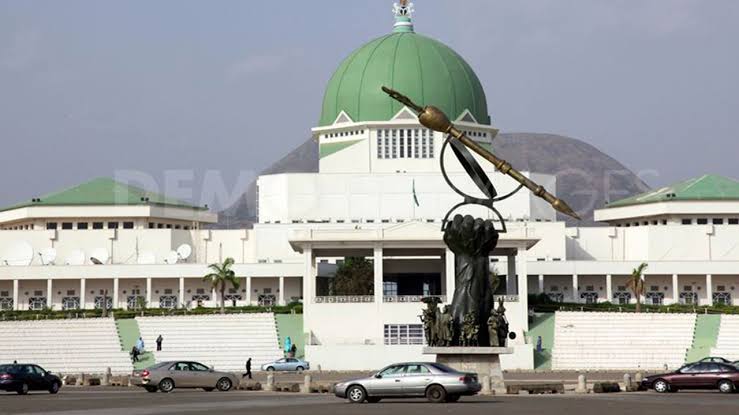
Turmoil engulfed the National Assembly Complex today as workers joined the Nigeria Labour Congress (NLC) and Trade Union Congress (TUC) in an indefinite nationwide strike, flouting a court order that attempted to restrain the unions. 

The spark for this collective action traces back to an incident on November 1, 2023, when Joe Ajaero, President of the NLC, faced an assault in Imo State, prompting the unions to issue a nationwide strike notice last week. 

As of 12:23 p.m. on Tuesday, the National Assembly Complex resembled a fortress, with all its gates securely locked.

Workers who arrived at the scene found themselves stranded, a testament to the strength of the protest. 

Remarkably, despite the chaos at the entrance, plenary sessions in the House of Representatives persisted, creating a stark visual contrast between the determined protesters outside and the ongoing legislative business inside.  

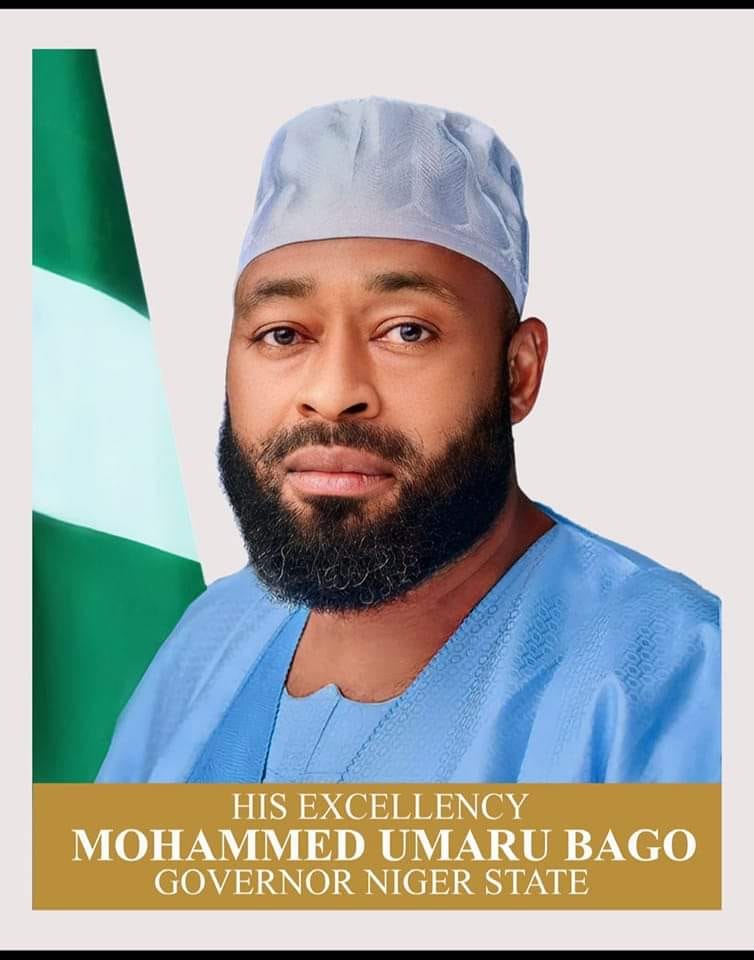
Governor Bago’s audacious demand

By Muhammad Danjuma Abubakar

For the grammar ‘lords’, the title of this piece is itself ‘audacious’ and might be erroneously perceived as undiplomatic, aggressive, and forceful.

 However, those well-schooled in journalism and those gifted with wisdom would look at it with a  different lens. This essence provokes readership and ignites curiosity about a crucial matter that demands attention.

Within the context of governance and leadership, audacious attributes often translate to courage and boldness when confronting challenges and addressing key issues head-on in ways that could better the lots of ordinary citizens.

This is in the DNA of all serious-governance-ready leaders who are always seen addressing the unaddressed and championing the cause of their people with unwavering determination.

Governor Bago’s recent statement aligns with these when he said that Niger State also deserves a 13% derivation formula that oil-producing states are being given monthly.

The governor stated this when the Federal Commissioner of the National Commission for Refugees, Migrants and Internally Displaced Persons, Tijjani Aliyu Ahmed, led other principal officials of the commission on a courtesy visit to the governor at the Government House, Minna, made headlines on various media platforms. This is an indication that such is a rare call, yet assertive.

A straightforward demand that those who governed the Power State(Niger State) before Bago couldn’t make, probably due to the ‘overwhelming’  vastness of the responsibilities of governance or because of the perceived unimportance attached to such kind of demand.

Yet, in this writer’s good knowledge, the plank of leadership embodies enormous responsibilities, a firm resolve to serve the people and a better platform for a powerful voice for the voiceless everyday citizens.

How, then, could a genuine demand that would better the lots of the electorates who stood to vote for their leaders skip the memories of successive governments in the state? 

This demand is indicative of the understanding of Niger State’s potentials and its vast contributions to Nigeria’s economy.

Of truth, during the last general governorship elections, my candidate was Khadijah Abdullahi-Iya (Audu Kwangila Bida) of the opposition All Progressives Grand Alliance (APGA), a symbol of motherhood. Khadijah Abdullahi Iya, a daughter of the first indigenous contractor in Northern Nigeria (Late Audu Kwangila Bida), also came prepared; toured all the nooks and crannies of the 25 local government areas of Niger State to campaign responsibly within the ambit of the electoral law.

Nonetheless, options of multiple choices are the cornerstone upon which democracy is hewn. The same democracy spoke, and Governor Bago now holds the reins. And it’s crucial to understand that he is the governor for all, and sincere support, prayers, and cooperation from all Nigerlites are essential for the success of the New Niger Agenda.

This is why no person of good conscience could agree less with Governor Bago, given the numerous contributions of the hydroelectric dams. From Power Supply, which power houses, businesses and institutions.

This call, when heeded and implemented, can enhance the infrastructural development of the host communities around dams and spur economic empowerment through the support of local businesses in the communities that would also translate to the economic well-being of the nation.

Governor Umar Bago’s demand echoes the need to ensure that host communities benefit substantially from the abovementioned benefits and that the people directly affected by the power production are active players in the nation’s progress.

As a matter of importance, in championing this cause, our national assembly members from Niger State and across Northern Nigeria should work assiduously with their fellow lawmakers and prove their mettle of strategic lobbying and networks to make this practicable. Sadly, the majority of the citizens do not know the enormous economic contributions of the hydroelectric dams to the country, which should warrant fair compensation through the 13% derivation.

In closing, Governor Bago’s demand is not only a call for more resources. Instead, it is a call for fairness and to recognise the significant roles that Hydroelectric power-producing states, notably Niger State, play in our nation’s economic growth and development.

 Therefore, in good conscience, whether a Nigerlite or not, we need to rally around Governor Bago’s cause because the demand for equity is lawful and a stride towards a more balanced and prosperous nation.

Muhammad Danjuma Abubakar writes from Minna, the Niger State capital and can be reached via muhammadcares4u@gmail.com.
The devastating effects of flooding in Nigeria

By Ladi Ibrahim

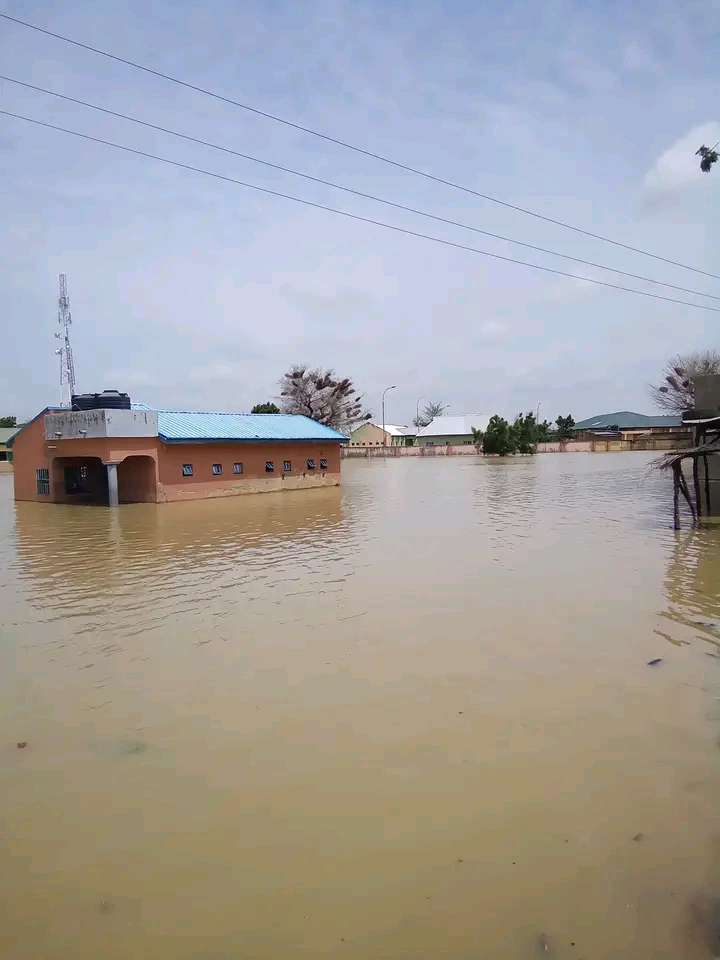
Floods have become a recurring natural disaster in Nigeria, causing immense damage to infrastructure, the economy, and most importantly, the lives and well-being of its citizens.

Nigeria’s vulnerability to flooding has grown in recent decades due to many factors, including urbanisation, inadequate drainage systems, deforestation, and climate change. Rising global temperatures are causing extreme weather patterns, leading to more intense rainfall events and subsequent flooding.

Flooding often triggers a humanitarian crisis, displacing thousands of people and leaving them homeless, without access to clean water, food, and sanitation facilities. Internally displaced persons (IDPs) are forced to rely on aid assistance, leading to severe strain on already limited resources.

Flooding wreaks havoc upon critical infrastructure, including roads, bridges, schools, hospitals, and power lines. This compromises public safety, disrupts essential services, and hinders economic growth and development. The cost of rebuilding and repairing damaged infrastructure poses significant challenges to the Nigerian government.

Flooding has far-reaching economic consequences, affecting agriculture, businesses, and livelihoods. Agricultural lands are submerged, leading to crop failures and livestock losses, negatively impacting food security and increasing reliance on imported goods. Small businesses and industries suffer significant financial losses, often leading to closures.

Floodwaters become breeding grounds for disease-causing organisms, heightening the risk of waterborne diseases such as cholera, typhoid fever, and hepatitis. The lack of clean water, sanitation, and proper hygiene practices amid displacement adds to the vulnerability of Nigerian citizens, particularly children and the elderly. Inadequate healthcare infrastructure exacerbates the challenges in providing timely and effective treatment.

Flooding poses physical dangers and leaves long-lasting psychological scars on affected individuals. Displacement, loss of property, and the trauma associated with witnessing loved ones or community members suffer can lead to anxiety, depression, and post-traumatic stress disorder. The mental well-being of affected citizens requires attention and support during and after the flood crisis.

To mitigate the effects of flooding, Nigeria must invest in long-term solutions such as improved urban planning, the construction of drainage systems, reforestation efforts, and the establishment of early warning systems. Comprehensive disaster preparedness and response strategies should also be developed, involving government agencies, international organisations, and local communities.

Building resilience is crucial to enhance Nigeria’s ability to adapt and respond to the potential impacts of climate-related flooding. This includes raising public awareness, developing sustainable land use practices, promoting flood-resistant housing construction, and investing in flood insurance schemes.

The effects of flood disasters on Nigerian citizens are profound and wide-ranging. The ongoing challenges necessitate implementing comprehensive strategies to enhance resilience, minimise vulnerability, and protect the well-being of citizens. Addressing the complex issues associated with flooding requires concerted efforts from individuals, communities, governments, and international partners to ensure a safer and more secure future for all Nigerians.

Ladi Ibrahim wrote from the Department of Mass Communication, University of Maiduguri.

UN mourns staff killed in Gaza

By Ahmad Deedat Zakari

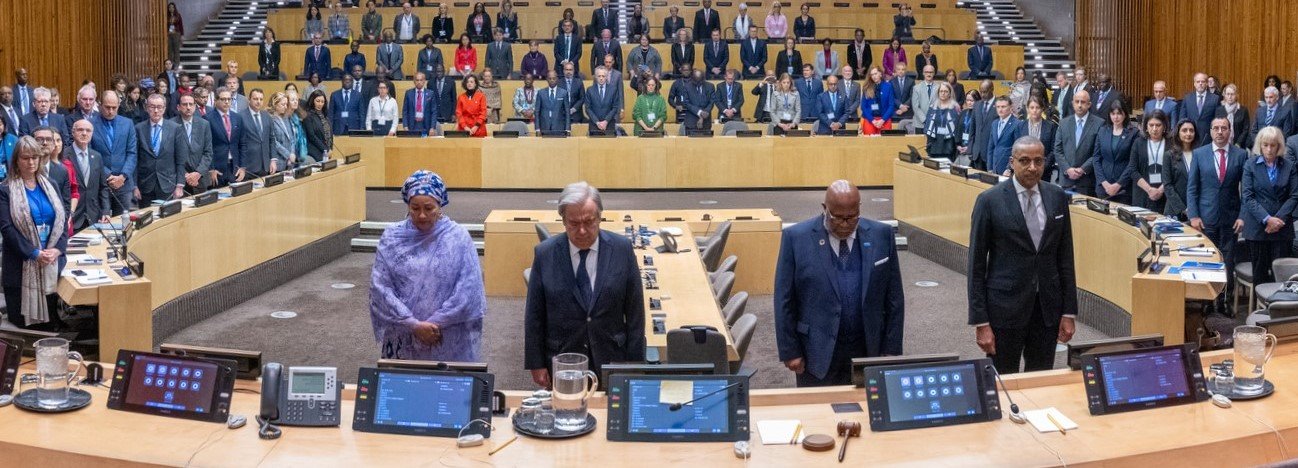
The United Nations (UN) has mourned staff of the organization killed by the Israel attacks in Gaza. 

The UN Secretary-General, Antònio Guterres, disclosed the development in a tweet on Monday. 

According to Guterres, more than 100 staff of the United Nations Relief and Work Agency met their death as a result of the raging war. 

“Today, the @UN family observed a moment of silence to mourn & honour our colleagues killed in Gaza. Since the start of this conflict, more than 100 @UNRWA staff have lost their lives – the highest number of UN aid workers killed in a conflict in such a short time. They will never be forgotten.” He tweeted.