Month: January 2023

2023: Drama as Ganduje, Kwankwaso trade words over Kano votes

By Uzair Adam Imam  

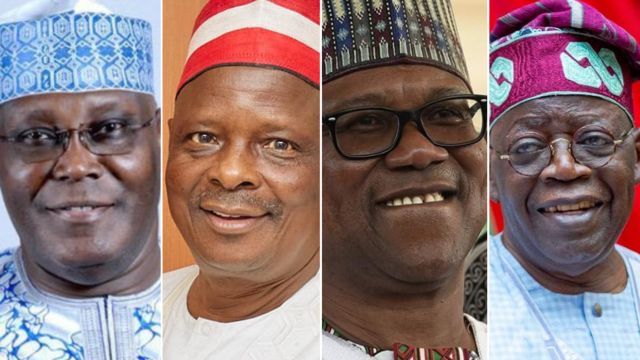
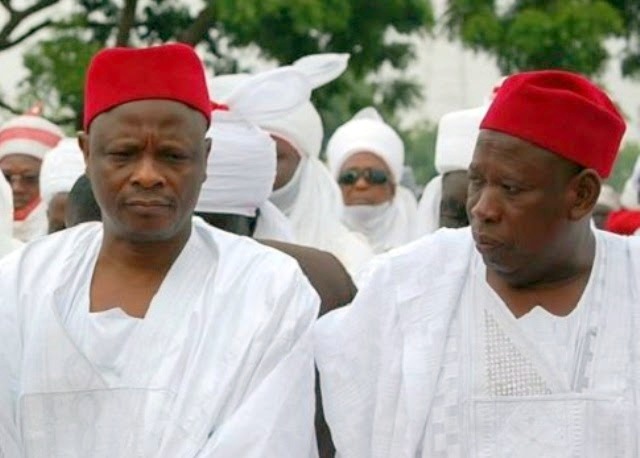
Governor Abdullahi Umar Ganduje of Kano State and his former boss, Dr Rabi`u Musa Kwankwaso, the Presidential Candidate of the New Nigerian Peoples Party (NNPP), have continued to trade words over Kano votes in the forthcoming general elections of 2023.

Ganduje, while addressing his party`s supporters, said Kano people would vote for Asiwaju Bola Ahmed Tinubu, the Presidential Candidate of All Progressive Congress (APC), against Kwankwaso, who is a citizen of the state.

He added that Kano would repeat what happened in the 1993 presidential election when the state supported a Southern candidate, the late MKO Abiola, against its citizen, the late Bashir Tofa.

However, responding to what Ganduje had said in a statement, Kwankwaso stated that whoever works against him in Kano in the forthcoming election would regret it.

Kwankwaso said, “I had a rally not long ago, which was one of the best rallies. I had one in Wudil, the southern senatorial district. I had one in Bichi, northern senatorial district. I opened my office in Kano Central, and one of the best rallies because you can’t compare it with the ones by some of the candidates who had crowds that came to Kano from neighbouring states and so on.

“Now, you see, I don’t want to talk about that man. I don’t know whether he said it or not. But the reality is that anybody who works against NNPP or Kwankwaso in 2023 one day will regret it, that he made a mistake.

“Anybody who knows me, who knows my antecedents, believes that, if I win this presidential election, Kano will have maximum benefit. Of course, northern Nigeria will benefit and, of course, the country.

“So, I am surprised if you go and say I should hold a rally. I have done many rallies in Kano. In just recent months, January and December in Kano, in all three senatorial districts. So, what is the problem with holding a rally in Kano?”

Cost of university education in Nigeria: Facing the reality

By Salim Ibrahim Isa

Since late last year, many public universities have released revised fees, primarily reviewed upwards in unprecedented percentages (mostly more than a 100%). Students, parents and other stakeholders have expressed shock, with many blaming the Academic Staff Union of Universities (ASUU) for being behind the increase as a response to the Union’s fallout with the Federal Government last year and members of the Union laying responsibility to the executive councils of respective universities.

Whatever the reason for the increase and whoever is behind it, the rising cost of education is a reality students and other stakeholders have to face, for it is doubtful to be reversed.

It will be useful to consider the following discussion, especially by students who would be directly affected by the fee hike.

Choice of courses

Choosing a course to study has been a longstanding issue. Many students go to university to study courses for years only to realise later that they could have made better choices regarding their aspirations. With education being more expensive, prospective students will save themselves much disappointment later in their studies or after graduating by researching courses before applying for them and making informed decisions. Nobody wants to pay massive amounts of money to study a course only to find out later that it has no job prospects or something like that.

Alternatives to degrees

It is not a divine revelation that everybody must have a degree. Colleges of education, polytechnics and other higher institutions offer various types of training and award multiple certificates, which can be as useful as a degree, depending on how the holder uses acquired knowledge. A student who cannot afford the higher costs of a university education shouldn’t lose all hope. It is still OK to seek other affordable alternatives and acquire training and certification.

Many non-degree holders have had spectacular achievements the world over. The most important thing is the training and how and to what use it is put.

Distance learning

Thanks to the internet, a significant number of universities all over the world now offer many courses online. This eliminates the burden of physical presence and its attendant financial implications, making the courses a lot cheaper while maintaining the quality of the courses. Many of these courses have flexible payment schedules, so students can pay in instalments and flexible classes, allowing students to work while studying. One may explore the availability of courses of choice both within and outside Nigeria and enrol in a good course at a good university. In addition, students may apply for discounts and fee waivers to make their studies even more affordable.

Scholarships and sponsorships

Governments, universities, foundations, companies and even individuals within Nigeria and abroad offer scholarships and financial aid to students under various schemes to subsidise education. Some scholarships involve moving to the supporting country/institution, while others support candidates locally. Sponsorships may also be complete or partial. A good way to be up-to-date on scholarship information is to subscribe to scholarship advertising websites and make a good network, especially in academia. Students need to remember, however, that all scholarships have criteria, and many of these criteria revolve around sound academic performance. Nobody wants to waste money on candidates who are not serious about studying, so all need to buckle up.

Salim Ibrahim Isa wrote via saalimibraheem@gmail.com.

Banditry: Katsina community laments rising insecurity

By Uzair Adam Imam

People in Tumburkai, a community in Katsina state, have decried the rising level of insecurity ravaging the community in recent times.

Several attacks by bandits on the community have displaced many people and widowed an unidentified number of women.

The community members expressed worries on Thursday when a Kaduna-based Non-Governmental Organisation (NGO), Victims of Banditry Support Initiative, visited the area.

The Daily Reality gathered that, during the visit, the NGO distributed bags of rice, foodstuff and cash to women in the community and the neighbouring villages.

Speaking at the event, the National Coordinator of Victims of Banditry Support Initiative, Malam. Abdullahi Usman said there is a need for society to support the needy, especially widows.

He was quoted as saying, “Although we don’t have much, we are not happy seeing those affected by bandit activities cannot feed. So out of the little God has given us, we intend to ensure the needy are also fed.”

He added that the NGO would continue to supply food items and cash to the widows.

“The NGO intends to continue giving food items and cash to the widows and others for the foreseeable future, and we are calling on the state and federal governments and wealthy individuals to pool their resources together in helping the widows,” he added.

Bauchi: Many escape death after truck crashes

By Muhammadu Sabiu 

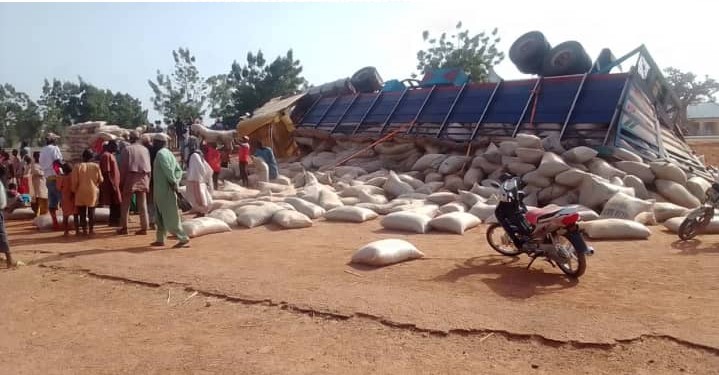
A trailer transporting ginger skidded off the road, crashed, and spilt its contents on the road.

The incident occurred Thursday morning at Nahuta in the Darazo Local Government Area of Bauchi State. 

It was learned that the truck swerved off when the driver dozed off while operating, which led to a loss of control.

The trailer left Kafanchan in Kaduna State and was travelling to Maiduguri in Borno State.

According to a source, no fatalities or significant injuries were reported in the accident.

Rahama Sadau is just a western copycat

By Aliyu Nuhu

Rahama Sadau has not hidden the fact that she is a cultural and religious rebel. But the laws guarantee her freedom, Nigeria is not Iran. So why bother yourselves about her dress mode? Leave that to her parents.

But for Rahama, she obviously never heard the dictum by John F Kennedy, that “if you try to copy something, you will end up being the caricature of that thing”. There is beauty in our cultural dresses. Other Kannywood actresses that stick to Islamic and Hausa mode of dresses are more beautiful, stylish and appealing. They are more salable abroad.

Check the most beautiful actresses in Kannywood. Momme Gombe, Fati Washa,Aisha Aliyu Tsamiya, Halima Atete, Maryam Waziri and Hadiza Gabon. They dress cultural. Beauty is in the eyes of the beholder but I daresay Rahama is not in their league. While they are cultural icon, Rahama is just a western copycat. You can’t beat the white in their own game. It is the reason why our musicians are making headway by using pidgin and vernaculars.

Salif Keita uses Bambara language in most of his songs. He is the most celebrated musician from Africa. Fela used pidgin and Yoruba. He is the most popular musician from Nigeria.

Cerebrovascular accident and the fairy tales of “Garsa”

By Abba Muhammad Tawfiq

Garsa is a sinister superstition label ubiquitously attached to stroke patients particularly in some Hausa-Fulani community. The conception of cerebrovascular accident as demon-ridden problems is continuously denying its victims the pleasure of urgent medical intervention. This delay in appropriate medical care inevitably complicates the patients’ condition and make it even difficult to treat after all the efforts of traditional treatments have proved abortive.

The vagueness over which the accident is traditionally considered as “being possessed” ailment is refuted and cleared by sophisticated medicinal sciences. This piece will help to comprehensively elucidate more on what cerebrovascular accident and its management entail.

Adequate life sustaining nutrients and oxygen necessitate the survival of the building blocks of life. Hence, the circulatory system is primarily programmed to efficiently execute the function of meeting the fundamental requirements of body tissues and cells. This however can successfully be achieved by the way of transporting nutrients and metabolic wastes to and away from the body. Also, establishing a stable homeostatic state in all the tissue fluids by transporting biological chemicals called hormones from the part of its synthesis to where its effect is necessary in order to ensure an optimally continuous survival and robust function of the body tissues and cells through the means of blood and blood vessels.

Physical and organic pathology that disorient the rudimentary pattern of circulation that shape various tissues give rise to life threatening complications. And this conceptualizes the basis of “STROKE” with regards to brain.

Stroke otherwise known as cerebrovascular accident occurs as a result of an interruption to or loss of blood supply to a part of the brain from an assault to the concerned arterial supply to the brain. The American Heart Association defined stroke as “a disease that affects the arteries leading to and within the brain.

Globally, stroke is said to be the leading cause of morbidity and mortality. It is the No. 5 cause of death and a leading cause of disability in the United States. The current prevalence of stroke in Nigeria is 1.14 per 1000 while the 30-day case fatality rate is as high as 40%.

On pathological ground, the disease lends itself to two categorical divisions, namely; Ischemic stroke and haemorrhagic stroke.

The former is the most common type of stroke and associated with blocked or narrowing of the brain’s blood vessel caused by fatty plagues which build up in the blood vessels or by blood clots or other debris that travel through the bloodstream, most often from the heart, and lodge in the blood vessels in the brain. This consequently leads to the death of brain tissue from poor nutrients and oxygen supply to the brain.

However, the latter occurs due to a rupture or leakage in blood vessel in the brain. This is mainly associated with atherosclerosis or a local dilation of the blood vessel (aneurysm) which leads to the burst of the blood vessel hence leading to hemorrhagic stroke

The predisposing factors that lead to cerebrovascular accident can be categorized into modifiable and non modifiable factors. And the major modifiable risk factor for stroke is sedentary lifestyle. People’s manner of living exerts impact on their state of well-being. Obesity caused by unhealthy diet, excessive alcohol consumption and smoking may result in high blood pressure or deposition of fatty droplets in the arterial wall causing arterial narrowing or bursting, thus consequently leading to stroke. Others include uncontrolled hypertension, gestational or pregnancy hypertension and diabetes.

The non modifiable risk encompasses factors such as family history and ageing. Although stroke does not wreck havoc on any age or age group exclusively, but older individuals are at higher risk of having stroke than other individuals. This is because the complications of ageing are mainly associated with arterial narrowing and loss of elasticity. Hence the susceptibility of the arteries to be damaged by fatty droplets and other debris in circulation, thus; resulting in stroke is high.

History of severe idiopathic headache, dizziness and vomiting are being clinically associated with haemorrhagic stroke. Facial, arm, or leg weakness on either or especially one side of the body denotes the onset of stroke. Other symptoms include confusion or trouble in understanding other people, difficulty speaking, visionary problems, trouble with walking and coordination.

Obesity and or weight control by the means of lifestyle/dietary modification and exercises are the mainstay for the prevention of stroke. The revelation of the aforementioned symptoms of stroke should urgently be reported to a close healthcare facility for immediate care and complications minimization. Notable blood pressure should be regulated through exercises and medications.

Multidisciplinary approach is essential for the effective management of stroke. This comprises a team of a well trained healthcare professionals and most precisely doctors, speech therapist, occupational therapist and physiotherapists. Surgical procedures can also be employed to repair vascular damage in the case of haemorrhagic stroke, while obstruction of adequate blood flow and oxygen supply to the brain by clogged garbage in the vessels can be flushed out through the use of medication.

The physiotherapy specialty covers a wide scope in the management of patients with neurological conditions such as stroke and their aftermath on the body function. Following stroke, patients show and suffer from multiple complications such as muscles flabbiness, accumulation of secretion in the lungs and loss of speech, loss of balance and coordination, which may not be or difficult to manage by medication.

Various physiotherapy techniques are applied to improve muscle physiology, prevent deformity, improve coordination, facilitate airways clearance by removal of accumulated secretions in lungs and improvement of overall quality of life. Physiotherapists therefore bridge this gap by playing restorative and preventive role in restoring the lost function and preventing post stroke complications.

Abba Muhammad Tawfiq, graduate of Medical Rehabilitation, University of Maiduguri, Borno State, Nigeria.

Kano gov’t completes 10-megawatt hydropower plant

By Muhammadu Sabiu 

The 10-megawatt Tiga Dam hydroelectric project has been completed.

 This was announced by the Kano State Government through Hadiza Tukur, managing director of Kano Hydro and Energy Development Company (KHEDCO).

The power plant, according to Mrs Tukur, will supply power to the city’s street lights as well as the state’s water treatment facility in Tamburawa.

She said the Nigerian Electricity Management Services Agency has not yet certified the power facility (NEMSA).

“In the power plant, we have two generators, one is vertical, which will generate 8 megawatts of power capacity, and the other one is horizontal, which will generate two megawatts of power making ten megawatts. That is why it’s called Tiga ten megawatt power generation station.

“Everything is being completed pre-commission test is ongoing. What remains is the certification of the Nigerian Electricity Management Services Agency (NEMSA).

“Another thing waiting for is also automation when it’s completed, we are going to open the water and allow it to rotate the turbine. We have gotten permission from the Hadejia Jama’are River Basin Development Authority.

“The Eight megawatts are being tested without a load, but in the next two weeks, we are going to test them with a load. The same applied to the two megawatts,” she was quoted as saying.

Doctors threaten to shut down hospitals nationwide

By Ahmad Deedat Zakari

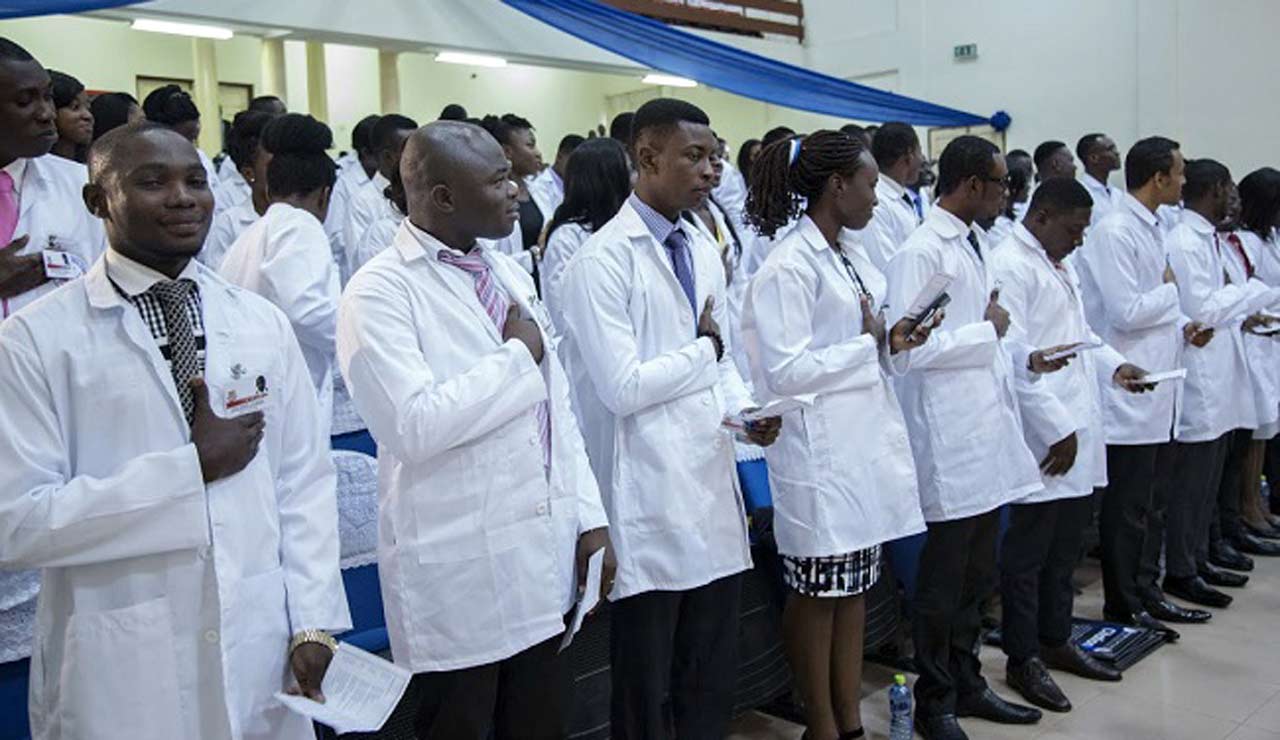
Doctors, under the auspices of the Nigerian Association of Resident Doctors (NARD), have threatened to embark on a nationwide strike if the Federal Government refuses to meet their demands. 

This was disclosed in a letter signed by NARD president, Dr Emeka Innocent Orji, on Monday. The letter, which was addressed to the Minister of Health, Dr Osagie Enahire, gave the Federal Government an ultimatum of two weeks to meet the demands of the union. 

Dr Orji said the strike would commence if the issues are not resolved before the union’s National Executive Council (NEC) meeting slated for January 24th to 28th. 

The letter read in part, “Sir, our January 2023 National Executive Council meeting has been scheduled for January 24th to 28th, 2023, and we can confirm very clearly feelers that if these issues are not sorted out before that meeting, our members will likely give us a mandate to immediately kick-start processes that will lead to a nationwide industrial disharmony in the health sector.”

The Daily Reality has observed that Nigeria is witnessing its worst brain drain among doctors recently; the poor working condition is mainly responsible for the situation.

Nigeria and its challenges: The need for competent leadership

By Muhammad Nazif Abubakar

Nigeria is facing several challenges that threaten its stability and prosperity. From economic struggles to political corruption, the country is at a crossroads and, come February, must take to the ballot and vote for competent leadership that can take actions to address these issues to secure its future.

Nigeria’s numerous economic challenges can be overwhelming in recent years, including declining oil prices and organised oil theft. The latter has significantly impacted the country’s economy, leading to billions of dollars in lost revenue for the government and oil companies and lost profits for businesses operating in the oil industry. This lost revenue could have been used to fund critical public services and infrastructure projects, exacerbating the adverse economic effects of crude oil theft. Moreover, the financial struggles in Nigeria have led to high levels of unemployment, particularly among young people, and have contributed to widespread poverty. In addition, the country has struggled with high inflation levels and a weak currency, making it difficult for people to afford necessities.

Political corruption is another major issue in Nigeria. Politicians and government officials are frequently accused of embezzlement and misusing public funds. Examples of this corruption, most of which were documented by Dr Nura Alkali in his book entitled When Stealing is Not Corruption: Nigeria Under President Jonathan, include the 2015 elections, which were marred by allegations of vote buying and the use of government resources to support certain candidates; the 2012 fuel subsidy scandal, in which billions of dollars in subsidies were embezzled by government officials; the 2010 Halliburton scandal, in which the company paid bribes to Nigerian officials to secure contracts; and the 2015 DasukiGate scandal, in which former National Security Adviser, Colonel Sambo Dasuki embezzled public funds meant for military equipment. More recently, a former Accountant General of the federation was involved in over a 100-billion-naira scandal. Corruption has contributed to a lack of trust in successive governments. It has made it difficult for the country to address its many challenges.

In addition to these economic and political challenges, Nigeria is also facing several security threats. Before 2015, the country was plagued by violence and terrorism, with groups like Boko Haram carrying out attacks on civilians and government targets. This has destabilised the country and made it difficult for citizens, especially in the northeast, to go about their everyday lives. Attacks by members of Boko Haram have drastically subsided in recent years. However, Nigeria is struggling with increasing levels of banditry in its northwest region. This has included armed robberies, kidnappings, and attacks on communities and security personnel. These bands of criminals have caused widespread fear and insecurity in the region, especially in Katsina and Zamfara. In addition, they have made it difficult for people to go about their daily lives.

The root causes of this banditry are complex and multifaceted. Poverty and unemployment are major contributing factors, as many of these bandits are driven by the desire to make a quick profit. In addition, the lack of effective law enforcement and security in the region has made it easier for these criminal groups to operate with impunity. The government has attempted to address this issue by deploying security forces and implementing programs to address poverty, but these efforts have had limited success. It will require a more comprehensive and coordinated approach to effectively address the problem of banditry in Nigeria’s northwest region.

Nigeria has a large and diverse population and a rich history and culture. With exemplary leadership and policies, Nigeria has the potential to become a thriving and prosperous nation. However, this will require a concerted effort to address the issues holding the country back. This will require tackling corruption, improving the economy, and managing security threats. It will also require working to build a more inclusive and just society where all citizens have the opportunity to succeed and thrive.

Despite Nigeria’s many challenges, there is hope for the country’s future. This hope lies in the decisions made during the next election cycle. The person chosen to lead Nigeria must be capable of addressing the country’s problems. As former US Senator Daniel Patrick Moynihan once said, “The single most exciting thing you encounter in government is competence because it is so rare.” Competence is a rare quality in the Nigerian political landscape. Still, it is essential for the success and prosperity of the country. Therefore, we must choose a competent leader to navigate Nigeria’s challenges.

Muhammad Nazif Abubakar from Kaduna via muhd.abubakar@hotmail.com.

Edo train attack: Gunmen demand 620 million as ransom

By Ahmad Deedat Zakari

Masterminders of the attack and abduction of not fewer than 31 people from the Tom Ikimi Train Station in Igbueben in Edo State have reached out to some families of the abductees and made demands.

The Executive Director of Esan Youth for Good Governance on Social Justice, Benson Odia, on Monday, disclosed that the kidnappers demanded the sum of 20 million naira from each of the victims.

Odia described the demand as absurd and called on the government to intensify efforts in securing the release of the abductees.

He also disclosed that the Minister of Transportation and the Nigeria Railway Corporation boss visited Igueben to personally assess the situation.

He said, “I can tell you that the kidnappers have demanded N20 million, totalling N620 million. This is absurd and I don’t know where poor people will be able to raise that amount of money.”