
By Maimuna Katuka Aliyu
Imagine your body as a bustling city, an intricate network of systems powered by one indispensable element—water. Think of waking groggy, with a mouth as parched as desert sand. You might blame a late night or too much caffeine, but often it is your body’s quiet alarm bell, warning that its most vital fuel is running low.
Just as electricity keeps a city alive, water is the current that powers every cell. When it runs short, it is like a blackout in a metropolis, order gives way to chaos, systems slow down, and the risk of breakdown multiplies.
Dehydration rarely storms in with fanfare. It slips in unnoticed, first a dry mouth, then a slight headache, then a fog that blurs your thoughts. Even mild dehydration can dull your memory, weaken your focus, and pull down productivity.
The brain, that grand conductor of your daily rhythm, begins to miss its cues. For students, it may mean struggling to concentrate; for adults, the risk of poor decisions at work grows sharper.
In a hydrated body, blood flows like a gentle river. But when water is scarce, blood thickens into sludge, forcing the heart to labour harder. Soon, dizziness, weakness, and muscle cramps follow.
The skin, often dismissed as just a covering, loses its glow and elasticity, while the kidneys, the body’s tireless custodians, send out distress signals in the form of dark urine.
Our fast-paced lives only sharpen this risk. Long days under the burning sun, intense workouts, endless travels without a sip of water, each chips away at the body’s reserves.
And here lies the irony: by the time you feel thirsty, you may already be dehydrated. That is why hydration is not just a habit; it is preventive care, the quiet maintenance that keeps the “city” of your body humming, your mind sharp, your heart steady, and your skin radiant.
The symptoms of dehydration must never be taken lightly. It may begin with thirst and fatigue, but left ignored, it can escalate into confusion, rapid heartbeat, or even life-threatening complications.
Kidney stones, urinary tract infections, and heatstroke are some of its harsh penalties. The body’s cry for water is one alarm you cannot afford to silence.
Water is the simplest cure, but sometimes the body demands more, electrolytes to restore balance, oral solutions to replenish salts, or, in severe cases, intravenous fluids under medical care.
Hydration is not merely about pouring in water; it is about restoring the delicate balance that sustains life. Yet in the rush of daily living, hydration often takes the back seat. We forget that this basic elixir is both personal and societal.
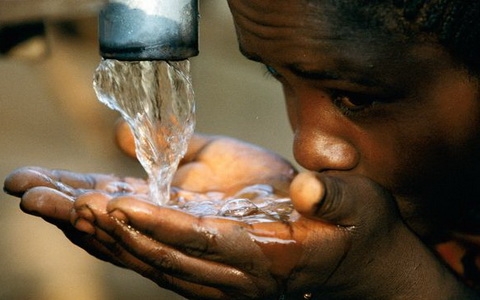
In regions where clean drinking water is scarce, dehydration becomes a public health emergency, threatening the young and elderly most. Governments are pressed to act, building infrastructure, ensuring access, and educating citizens.
The cost of neglect is staggering. Health systems already stretched thin must spend resources treating preventable conditions, diverting funds from education and wellness.
Economies pay the price as productivity falters and budgets strain. Hydration, so simple and so often ignored, becomes not just a personal duty but a societal challenge.
Climate change sharpens the danger. Rising heat, shrinking water sources, and punishing droughts expose millions to the harsh reality of thirst. Water, once taken for granted, is now a policy priority, a sustainability crisis, and a public health concern rolled into one.
But the solutions lie within reach. Choosing water over sugary or caffeinated drinks. Carrying a bottle as a habit. Eating water-rich fruits like cucumbers and watermelon. Schools, offices, and public spaces can lead with hydration stations and campaigns.
When society makes water accessible, it empowers individuals to make the right choice. Ultimately, prevention remains the wisest cure. Sip steadily through the day, not just when thirst demands it.
Treat water not as a chore but as a daily act of self-care, a quiet gift that renews every cell. The next time you lift a glass to your lips, see it as more than hydration—it is your lifeline, your body’s power source, the fuel that keeps you thriving.
Hydration is not just a lifestyle tip. It is the foundation of health, the difference between fatigue and vitality, between a body faltering and a body flourishing. It is the lifeline every human being needs to live fully and thrive.
Maimuna Katuka Aliyu wrote via munat815@gmail.com.