
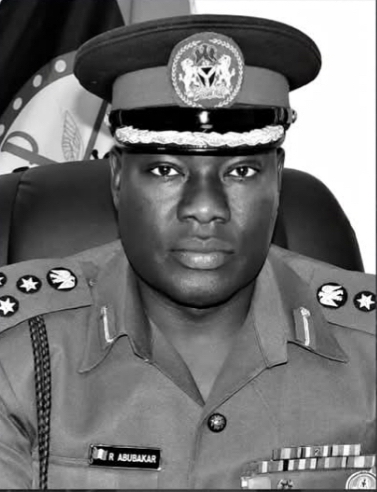
By Munir Aliyu Kabuga
It is indeed disheartening, though sadly not surprising. A nation’s commitment to the welfare and security of its citizens is often measured by how it responds when its finest men and women make the ultimate sacrifice in service to their country.
The deaths of senior military officers in the fight against terrorism, including Brigadier General Uba and Brigadier General Momoh, and many more, remain painful reminders of the enormous sacrifices being made daily by members of the Armed Forces. These officers dedicated their lives to defending Nigeria against insurgency and insecurity, yet many Nigerians were left with the feeling that the national response to their deaths did not adequately reflect the magnitude of their service and sacrifice.
Beyond official statements of condemnation and condolences, many citizens expected a more robust and visible response—one that would demonstrate an unwavering resolve to bring the perpetrators to justice and intensify efforts to defeat the forces of terror. Such losses should serve not merely as moments of mourning but as catalysts for decisive action against those who continue to threaten the nation’s peace, security, and unity.
It is against this backdrop that concerns are being expressed regarding the death of General Rabe Abubakar. If the loss of serving generals did not elicit the level of response many Nigerians had hoped for, it is understandable why some fear that the passing of a retired general may receive even less attention from the authorities.
Ultimately, the greatest tribute to fallen heroes is not found in words of sympathy alone, but in concrete actions that strengthen national security, honour their sacrifices, and ensure that those responsible for such acts are relentlessly pursued and brought to justice.
The manner in which some military personnel have been treated, both in life and in death, is bound to have consequences for morale within the Armed Forces and for the willingness of future generations to enlist. It is only natural for a young citizen to think twice about joining the military when those who devote their lives to the service of the nation sometimes appear abandoned at their most vulnerable moments.
Why would one not hesitate when brave men and women give their all in defence of their country, only to face the prospect of falling into the hands of ruthless and barbaric terrorists? The courage required to wear the uniform is immense, but that courage must be matched by an unwavering national commitment to protect, support, and honour those who serve.
There is something profoundly troubling about the thought of a nation that entrusted a man with its uniform, bestowed upon him rank and responsibility, benefited from his years of sacrifice, celebrated his retirement, and yet seemed unable to guarantee his safety when he needed it most.
Today, we mourn General Rabe Abubakar.
He served his nation with honour, dedication, and distinction. His passing has reignited important questions about how a country values those who dedicate their lives to its service and security. It challenges us to reflect on whether we have done enough—not only to honour our heroes after their deaths, but also to safeguard them while they are alive.
This is more than a eulogy; it is a call to reflection. It is a reminder that the true measure of a nation’s gratitude to its heroes lies not merely in ceremonial tributes or eloquent speeches, but in its enduring commitment to their welfare, dignity, and security, both during and after their years of service.
May Allah forgive General Rabe Abubakar’s shortcomings, expand his grave, and grant him Aljannatul Firdaus. May He comfort his family, grant patience and strength, and bless them with peace and security, ameen. May Allah grant him eternal rest and comfort those he left behind, ameen.