
By Umar Mohammed Dewa
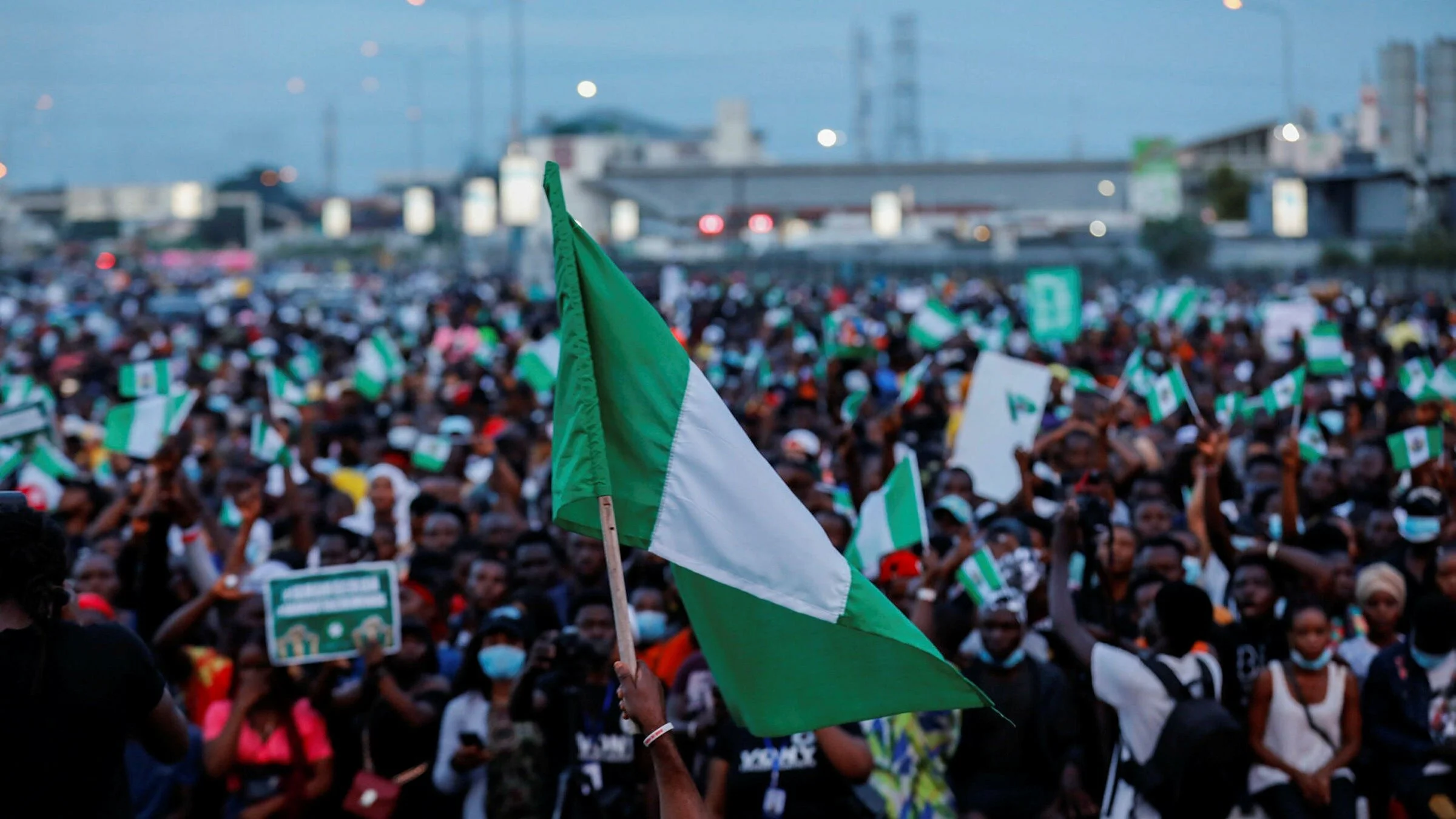
As Nigeria marks 27 years of uninterrupted democracy on June 12th, some are popping champagne bought with democracy dividends, while others are eating their hearts out in lamentation. Such is the paradox of Nigeria’s democratic experience, a journey marked by notable achievements and persistent challenges.
June 12 remains a defining symbol of the Nigerian people’s struggle for democratic governance. It commemorates the historic 1993 presidential election, widely regarded as the freest and fairest in the nation’s history, and honours the sacrifices of countless patriots who fought against military rule and for the restoration of civil liberties.
Twenty-seven years after the return to democratic rule in 1999, Nigeria can point to significant gains. Democratic institutions have endured, political participation has expanded, and citizens continue to exercise their right to choose their leaders at the ballot box. Yet for many Nigerians grappling with economic hardship, insecurity, unemployment, and rising living costs, the promised dividends of democracy remain elusive.
Democracy is more than periodic elections; it is about accountable leadership, responsive governance, social justice, and the improvement of citizens’ welfare. As the nation celebrates this year’s Democracy Day, it is also an opportunity for sober reflection on how democratic governance can better serve the people and fulfil the aspirations of those who fought for it.
The significance of June 12 lies not only in remembering the past but also in recommitting to the ideals of freedom, equity, transparency, and national unity. Only through such commitment can Nigeria’s democracy continue to strengthen and deliver meaningful progress for all.
Happy Democracy Day, Nigeria.
Umar Mohammed Dewa wrote from Yola, Nigeria.