
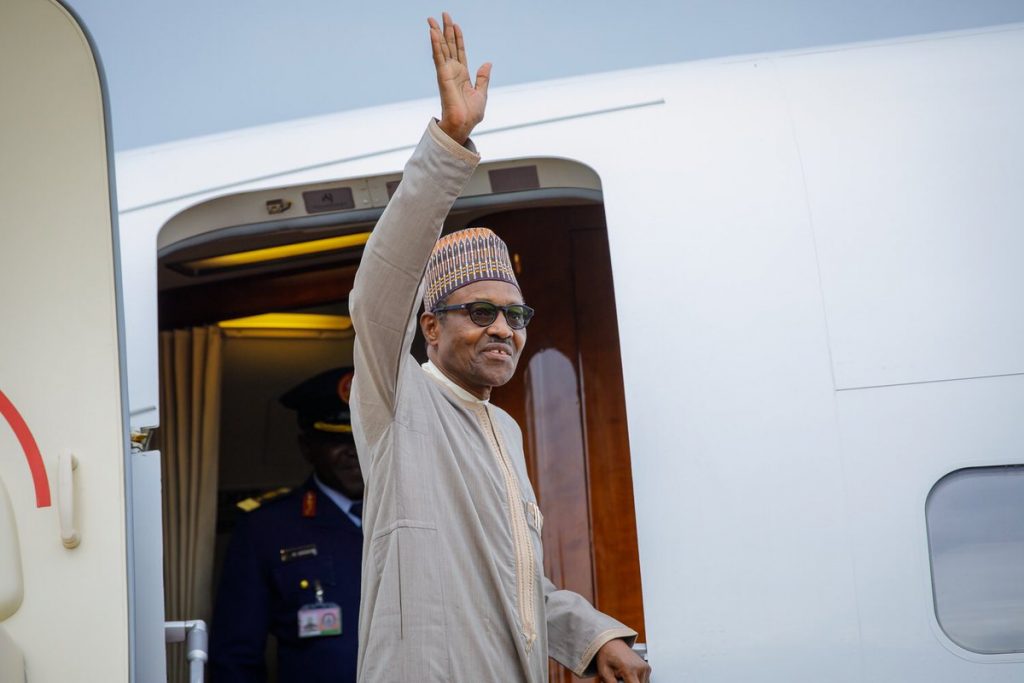
By Zayyad I. Muhammad
The passing of former President Muhammadu Buhari marks not just the end of an era but also a significant political loss for two of the three key political parties in Nigeria, the ruling All Progressives Congress (APC) and the rising coalition force, the African Democratic Congress (ADC).
For both parties, Buhari represented more than just a former head of state; he was a political symbol with immense influence. His mere presence at a campaign rally, no matter how brief, would have carried tremendous weight, particularly among his loyal base, which is estimated to be over 12 million strong. These supporters, often described as a “cult-like” following, have remained fiercely committed to him since his early political days under the Congress for Progressive Change (CPC) and the Buhari Organisation. However, the number may have decreased by now.
In recent times, many former CPC loyalists and Buhari-era political operatives have appeared to find a new home in the ADC, reshaping its structure and lending it a dose of national relevance. This quiet but strategic realignment has positioned the ADC as a potential beneficiary of some of the Buhari political legacy, especially in northern Nigeria, where his influence remains deeply rooted. However, a good number of the CPC bloc and the Buhari Organisation have remained in the APC.
Had Buhari lived to make even a symbolic appearance at an APC campaign event, it would have significantly dampened the ADC’s momentum and reinforced the APC’s claim to his enduring political capital. Conversely, had he chosen to lend his image, even silently, to the ADC, it would have sent shockwaves through the APC, raising questions about its hold over his base.
Now, with his passing, both parties are left in a competitive vacuum, each scrambling to appeal to the millions who revered Buhari for his perceived integrity, simple lifestyle, and northern populist appeal. The political battlefield is wide open, and neither the APC nor the ADC can confidently claim to be the rightful heir to Buhari’s legacy.
However, President Bola Ahmed Tinubu may have gained an early edge. His respectful and dignified handling of Buhari’s death, marked by prompt tributes, state honours, and symbolic gestures, may resonate with many of Buhari’s followers. In Nigerian politics, such symbolic acts are never underestimated. They signal alignment, loyalty, and shared values, all of which matter deeply to a base that is emotional, ideological, and still seeking a new political anchor.
As the 2027 election cycle approaches, the real question becomes: Who will inherit the Buhari political machinery? The answer may shape the future of both the APC and ADC, and by extension, Nigeria’s political landscape.
Zayyad I. Muhammad writes from Abuja via zaymohd@yahoo.com.