
By Khalilah Bint Aliyu
Never have I found it this difficult to write down my thoughts on a particular subject. The institution of marriage is highly coveted by women, especially African women. Societal pressure, feelings of vulnerability, the biological clock, and to some extent, a bit of a misunderstanding about whether it is compulsory or not.
Marriage, even though highly encouraged, is not compulsory for either gender, as long as a person can stay clear of immorality and remain firm in their tenets of faith. Allowing culture to override what the scripture states puts overwhelming pressure on many unmarried women, especially Muslim women.
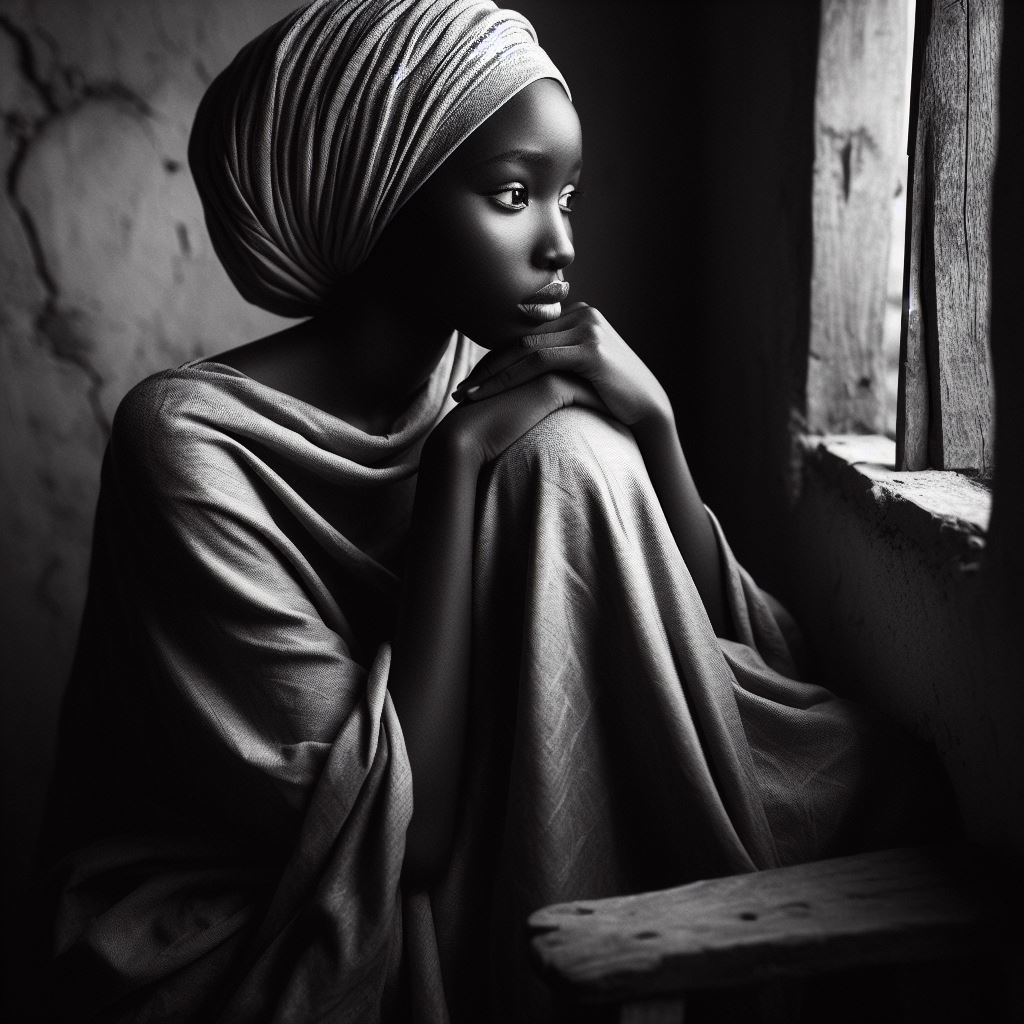
I have watched bright minds become shadows of themselves for no apparent reason, yet they have to wake up daily to taunts and endless questions about when they intend to marry. A woman’s success gets downplayed. Some brave women might be willing to shrug off these tons of negative energy directed at them and pursue excellence, but they will meet an unwavering blockade from an angry parent or guardian.
Addressing this issue has to come in two aspects. We are going to address the parents or guardians and then the crux of the matter, the lady herself.
African parents, especially our mothers, derive pleasure from getting all their female children married. Should there be any delay, they get worried and intentionally or unintentionally transfer the negative energy in the form of pressure onto the unmarried ladies. It is destiny: some will marry early, others late, and some not at all. It is a gift and uncertain in nature. Aspiring for our womenfolk to marry in their early or mid-twenties is not a crime in itself, but making it a must and putting untold pressure on them can lead to poor spousal choices, deteriorating mental health, severe insecurity, and in some cases, amoral behaviors.
I want to use this analogy. A gardener sowed some orange seeds to sell the sprouts. He tended to them, and they grew healthy and strong, but no buyer showed interest. He kept watering and caring for the plants, much to the amazement of passersby. He was advised to let them be, but he paid no heed, and the seedlings grew into healthy orange trees that provided both shade and juicy fruits, subsequently attracting the attention of the right people who offered to buy the entire garden.
Women, unlike the plants here, are not for sale but are nurtured to prepare them to do the same and even more for the next generation. The more learned and well-mannered your wards are, the better equipped they will be as wives, mothers, and custodians of generations to come. Marriage will come at its destined time, and the terms “early” and “late” are manmade, designed to cause anxiety.
Keep your female children on the path of growth without any hindrance, support them, and alleviate the stress that society may throw at them, as this will make them flourish and live a life of purpose, leaving behind long-lasting positive footprints or a legacy, as it is popularly called.
For the ladies, you are strong, resilient, empathetic, and gifted with multitasking abilities. Jannah is not only for the married but also for the servants of Allah who stand firmly on the path of righteousness.
Define your life goals and, as long as they do not go against the ethics of your religion, pursue them purposefully. Don’t settle for less. I know how discouraging it can be to be told you are not enough just because you are not married. The delay that you are distressed about is a gold mine of opportunity. The fewer the number of stakeholders, the easier it is to make a decision.
As an unmarried woman, all you need to make a choice is a nod from your parents and guardians. This is not true for married women; you have husbands, in-laws, and children to think about before making decisions.
I had an opportunity to attend a two-week intensive training, an opportunity I had coveted for a while. Luckily, I got the slot. I received a nod from my husband, but I searched and could not find a trusted nanny to care for my infant for the duration of the training. I had no other option but to let go of the opportunity and wait for another one, praying that every force of nature would be favorable to me.
The above narrative is very common among women juggling both career and family. Chimamanda Ngozi Adichie, in one of her interviews, spoke about how having a little princess slowed the pace of her writing career. She said, “Becoming a mother is a glorious gift, but it comes at a cost. I could probably have written two novels had I not had my child.”
I implore you all to eat well, exercise, read widely, be kind, attend seminars, symposia, volunteer your services, and watch for a deluge of opportunities, including marriage proposals. Who doesn’t want a beautiful flower?
Khalilah Aliyu Yahaya writes from Kaduna and can be reached via Khalilah20@gmail.com.
As usual the writer has made an excellent point, on both the essence of encouraging females and also the importance of utilising opportunities to the best. It’s only a downtime of you want it to be. Keep growing!