
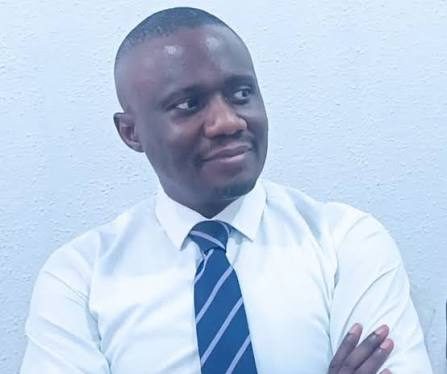
By Prince Daniel Aboki
Every Nigerian has the constitutional right to support any political party or candidate of their choice. That right is guaranteed by the Constitution and should always be respected.
However, an industry cannot thrive when, every election cycle, a few individuals position themselves as speaking on behalf of everyone, mobilising groups to endorse politicians and, in the process, reducing the industry’s engagement with government to the pursuit of personal benefits.
When this becomes the dominant culture, the industry risks not being taken seriously. Government and development partners are beginning to see the industry not as a strategic economic sector but as a collection of individuals seeking patronage every four years. More often than not, the distribution of cash gifts, vehicles, and other favours also creates avoidable divisions within the industry, as practitioners become aligned with competing political interests. Instead of fostering unity around the collective growth of Kannywood, election seasons too often leave the industry fragmented long after the campaigns have ended.
Politicians understand the influence that Kannywood celebrities command, particularly in Kano and across Northern Nigeria. They know these personalities can shape public opinion, mobilise supporters, and amplify campaign messages during elections. That influence is valuable, but it should be used as a bargaining tool to secure lasting benefits for the entire industry—not for personal aggrandisement. Our collective influence should translate into meaningful negotiations for better policies, sustainable funding, stronger institutions, improved infrastructure, and greater opportunities for everyone in Kannywood, rather than short-term personal gains for a few individuals.
Kannywood is far bigger than election campaigns. It is one of Northern Nigeria’s greatest cultural and economic assets. It has the capacity to create thousands of jobs, preserve and promote our culture, strengthen social values, attract tourism, earn foreign exchange, stimulate investment, and project Northern Nigeria to the world.
What makes this even more compelling is that Kannywood has already demonstrated its commercial strength. Some of its producers operate some of the biggest and most successful YouTube channels in Nigeria, attracting millions of views and building significant audiences worldwide. That success should not remain the achievement of a few individuals. It should be consolidated into an industry-wide strategy that creates opportunities for younger filmmakers, actors, writers, directors, editors, cinematographers, musicians, and other creative professionals.
This is the conversation we should be having with those in office and those seeking public office.
Rather than seeking cash gifts, vehicles, or personal favours, we should be demanding policies that strengthen the entire industry: film villages, production funds, affordable financing, stronger copyright protection, modern cinema infrastructure, professional training, international partnerships, tax incentives, and support for participation in global film markets and festivals. That is how enduring creative industries are built.
Over the years, Nollywood has increasingly engaged government and development partners on issues that strengthen the industry’s ecosystem. The conversation has largely centred on policy, investment, institutional support, skills development, financing, and international collaboration. Individual practitioners may support political candidates—as they are entitled to—but the industry’s long-term development has remained a central focus.
This does not mean Nollywood is a perfect congregation. There have also been individuals within Nollywood who have pursued personal interests above the collective interest of the industry. However, when the two industries are compared, Nollywood has, on balance, positioned itself more effectively as a strategic partner in industry development, policy engagement, and institutional growth. Kannywood can do the same.
We must stop approaching politicians with a cap in hand every election season. An industry with this much talent, influence, and economic potential should not present itself as a sector waiting for handouts. It should present itself as a partner in development—one capable of creating jobs, generating revenue, attracting investment, promoting tourism, preserving culture, and contributing meaningfully to the economy of Northern Nigeria.
Politicians will respect Kannywood when Kannywood first respects its own value. This is not a criticism of anyone’s constitutional right to participate in politics or support a candidate. Rather, it is a call for Kannywood to recognise its collective economic power and organise itself as an industry worthy of sustained investment, strategic partnerships, and long-term development.
The question should no longer be, “Who is giving us what?” The question should be, “What policies, investments, and partnerships will transform Kannywood into one of Africa’s most competitive creative industries?”
The future of Kannywood will not be determined by what a handful of individuals receive during an election season. It will be determined by what the entire industry builds together for generations to come.
The choice before us is simple: we can continue chasing political patronage every four years, or we can build an industry that creates wealth, creates jobs, attracts investment, shapes culture, and becomes impossible for governments and the rest of the world to ignore.
Prince Daniel is “A Concerned Citizen” and a filmmaker. He can be reached via blackvillemedia@gmail.com.