
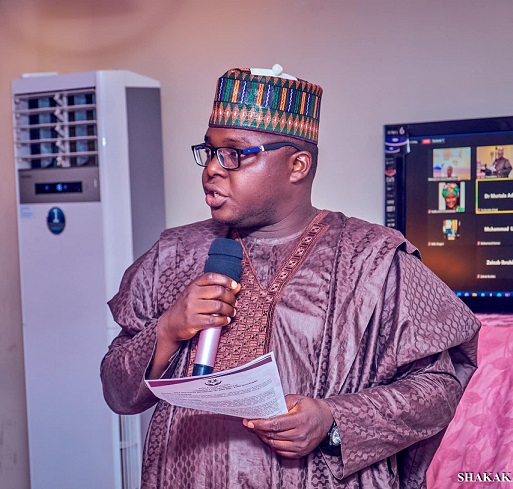
By Rabiu Shamma
English is the official language of Nigeria, and it’s often considered a measure of intelligence. However, it’s important to provide some context for this claim. Many Nigerians learn English as a second language, and it’s often used in formal education and business settings. Therefore, having a sound command of English can be an essential asset for success in these fields.
While it’s true that speaking good English does not necessarily make one intelligent, the ability to communicate effectively in the language is often associated with intelligence. In addition, studies have shown that individuals who speak multiple languages tend to have higher cognitive abilities than those who speak only one language.
Furthermore, evidence suggests that individuals with a poor command of English are often perceived as less intelligent. This may be partly because English proficiency is often associated with higher education and social status. Therefore, those who struggle with English may be perceived as lacking in these areas.
However, it’s important to note that English proficiency is not the only measure of intelligence. Many other factors contribute to one’s intelligence, including problem-solving skills, creativity, and emotional intelligence. Therefore, it’s important not to rely solely on English proficiency as a measure of intelligence.
While English proficiency is essential for success in Nigeria, it’s important to recognise that it’s not the only measure of intelligence, as I have come to understand in my many years of learning and teaching English. Individuals who struggle with English may still be intelligent in other areas, and it’s important not to make assumptions based solely on language proficiency.
Rabii Shamma wrote from Kano.
Good point.