
By H. A. Dandajeh
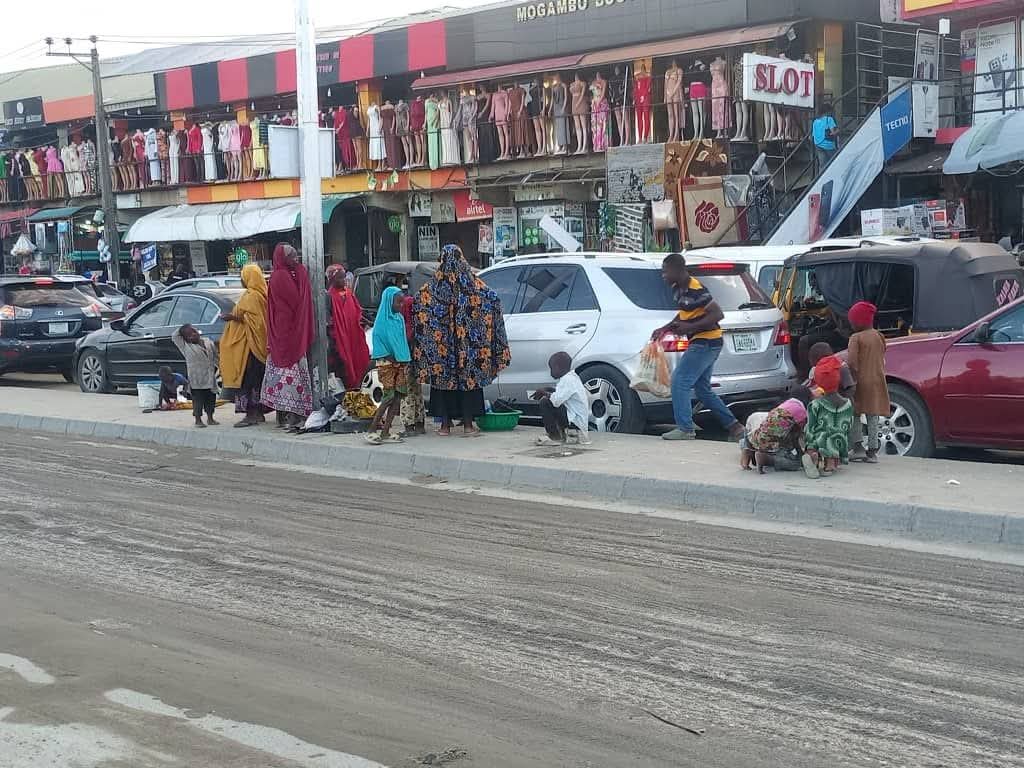
I was in Ajah, Lagos State, a few weeks ago, where I observed a large number of beggars, mostly women and children, ranging 5 – 13years, from Northern Nigeria, occupying the road divider along Addo Road under the Ajah bridge.
The situation was quite disturbing. Apart from being an eyesore, the persistent manner in which many of them approached unknown vehicles in search of alms was deeply concerning. Some kids were left fighting within themselves and some provocatively dancing to the street music with obviously no parent to send them to schools and no one to discipline them for bad behavior and wrongdoings.
I asked someone where these individuals sleep, how their safety and security are guaranteed, and whether the women are protected from harassment by street gangs and other criminal elements? No clear answers were forthcoming.
The Lagos State Government’s efforts to sanitize and regulate public spaces within the state especially with the escalating rate of insecurity shouldn’t be questioned. The Lagos authorities are not going after genuine Northern traders, but beggars who can easily be compromised as vulnerable security threats.
Beyond issues of aesthetics of Lagos, there are important concerns relating to public safety, human dignity, child welfare and education that must not be ignored.
We cannot continue to tolerate the commercialization of intentional, avoidable and unjustified begging in some parts of Northern Nigeria and then criticize other regions when they take decisive measures to protect their communities and maintain public order.
As a society, we can, and must, do better. We owe it to ourselves to create environments that uphold human dignity, encourage productivity, and provide vulnerable individuals with sustainable opportunities rather than leaving them exposed on the streets.
Every parent must be held responsibly accountable to his family!