By Uzair Adam
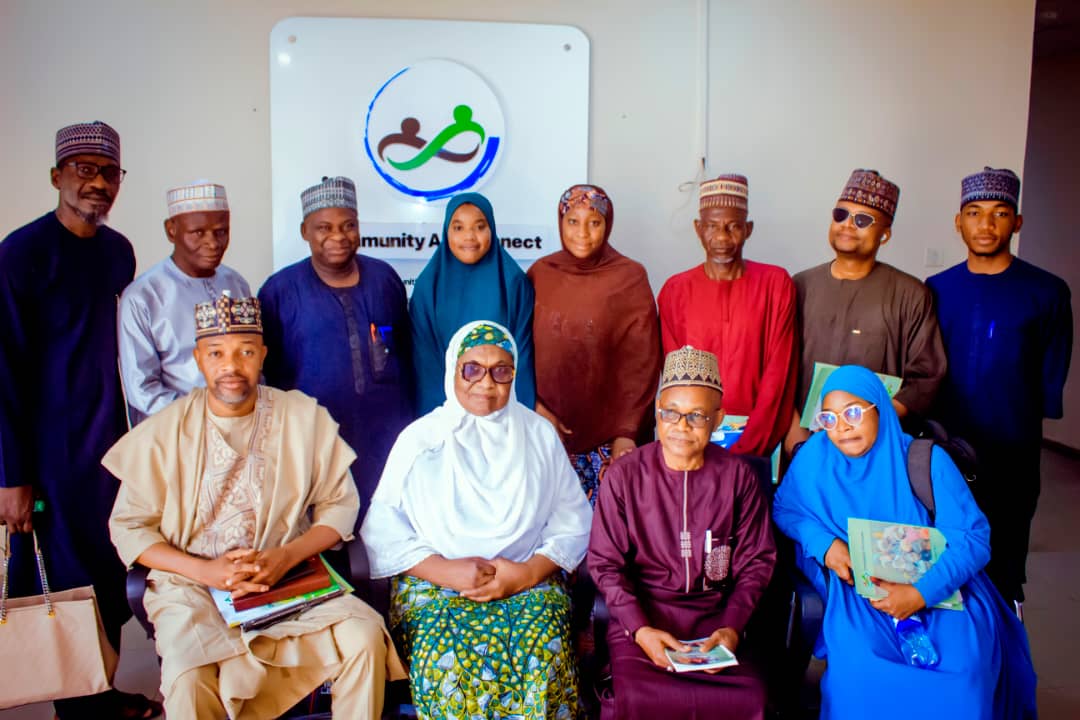
The Kano State Accountability Forum on Education (K-SAFE) has intensified efforts to strengthen collaboration with key education stakeholders following an advocacy visit to Community Aid Connect.
The Daily Reality reports that the move, according to the group, is part of ongoing engagements aimed at improving access to inclusive and quality education across Kano State.
In a statement issued on Monday, and signed by its Public Relations Officer, Nasiru Yusuf Ibrahim, the organisation said the visit formed part of its broader strategy to partner with development actors.
It noted that such collaborations are essential to addressing challenges affecting education delivery, particularly among vulnerable and underserved populations.
The delegation, led by K-SAFE Co-Chair (CSOs), Auwalu Halilu, was received by the Kano State Team Lead of Community Aid Connect, Surajo Mahe Alkali.
The meeting, held on Monday, provided an opportunity for both organisations to explore areas of mutual interest and strengthen existing relationships.
During the engagement, Halilu commended Community Aid Connect for its role in promoting literacy and numeracy through innovative programmes.
He specifically referenced initiatives such as the DARASI programme and the Community Radio Literacy and Numeracy Programme, describing them as impactful interventions in the education sector.
The K-SAFE Co-Chair noted that the programmes provide flexible learning opportunities for learners with limited access to formal education.
According to him, such initiatives are particularly beneficial to vulnerable groups, helping to bridge gaps in access and improve foundational learning outcomes.
In his remarks, Alkali highlighted the impact of the DARASI Programme in supporting basic education, especially at the foundational level.
He also emphasised the effectiveness of radio-based learning in reaching remote and hard-to-access communities, noting that such approaches have expanded educational access in underserved areas.
Both parties stressed the importance of community participation, stakeholder coordination, and sustained advocacy in addressing learning gaps.
They noted that improving educational outcomes requires a collective effort involving government, development partners, and local communities.
They also identified key areas of collaboration, including joint advocacy campaigns to promote enrolment and retention in schools.
Other areas include partnerships on radio-based awareness initiatives, strengthening monitoring and accountability mechanisms, and capacity building for community-based education structures.
The organisations further agreed on the need to document programme outcomes to support policy dialogue and education sector planning in Kano State.
They said such evidence-based approaches would enhance decision-making and contribute to long-term improvements in the education system.
The Daily Reality also gathered that the engagement reaffirmed the shared commitment of both organisations to enhancing access, equity, and quality of education.
It also underscored their resolve to promote innovative solutions aimed at improving literacy and numeracy across the state.