
By Zayyad I. Muhammad
The loss of an Army General, whether retired or in active service, at the hands of ragtag bandits, insurgents or terrorists is heartbreaking and a major loss to the nation.
What Nigeria is witnessing today can no longer be described merely as insurgency or banditry. Nigeria is at war. Simple.
Over the years, the country has suffered painful losses of highly trained military officers in the fight against terrorism and armed criminal groups. These incidents clearly show the scale, sophistication, and dangerous evolution of insecurity across the country.
In November 2021, Brigadier General Dzarma Zirkusu was killed in an ambush while commanding the 28 Task Force Brigade in the Chibok area of Borno State.
In November 2025, Brigadier General Musa Uba was killed in an ISWAP ambush near Wajiroko along the Damboa–Wajiroko Road in Borno State.
On April 9, 2026, Brigadier General Oseni Omoh Braimah, a Brigade Commander, was killed during a coordinated Boko Haram/ISWAP assault that overran a military base in Benisheikh, Kaga Local Government Area of Borno State.
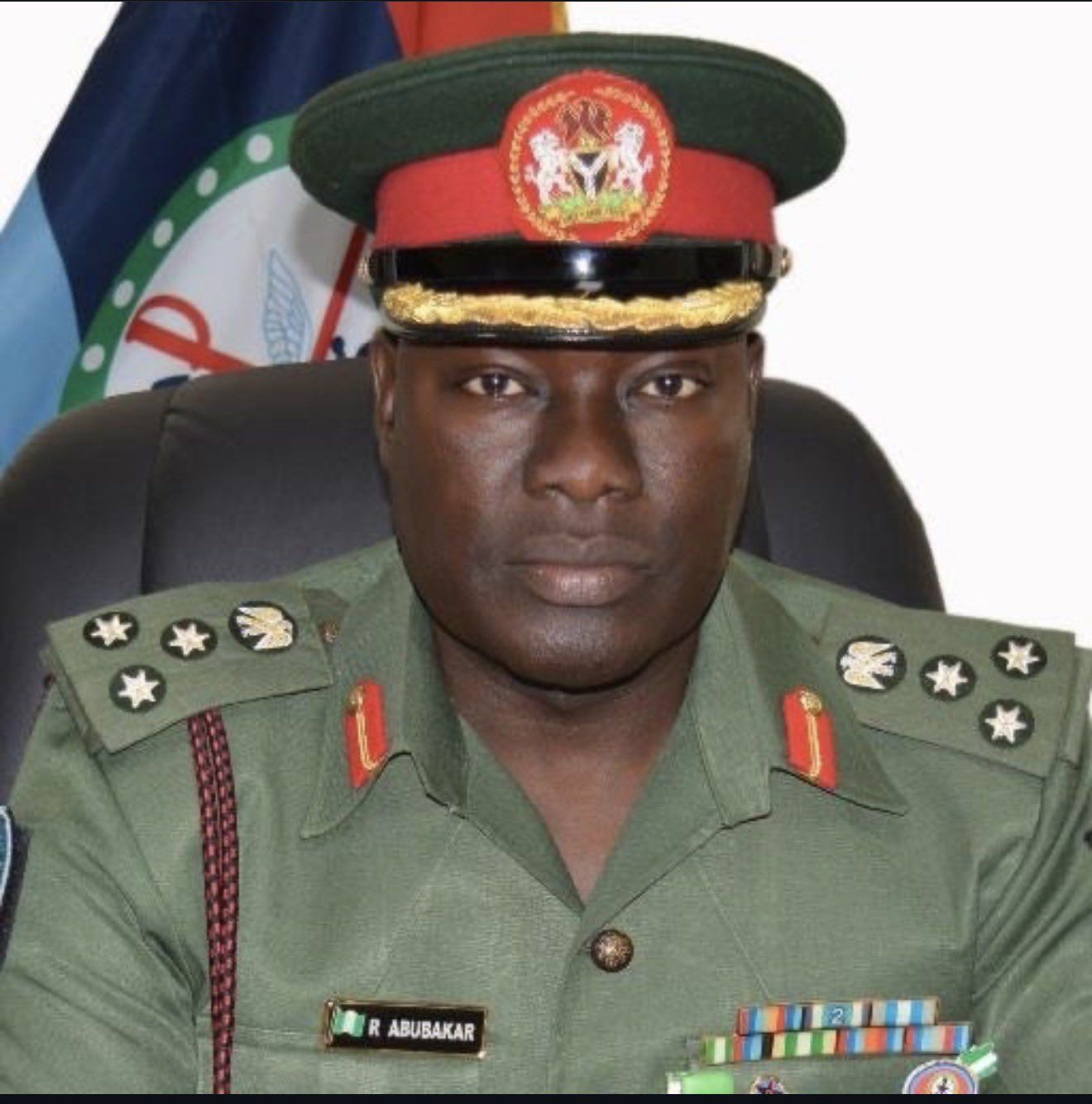
On June 13, 2026, the Katsina State Government announced the death of retired Major General Rabe Abubakar, a former Director of Defence Information, who died while in captivity after being abducted by bandits.
Similarly, in September 2018, retired Major General Idris Alkali was killed by a mob in Plateau State, another painful reminder that even retired senior military officers are not spared from the growing insecurity.
Reaching the rank of General in the Nigerian Army is an extremely competitive, merit-based process that often requires 25 to 35 years of dedicated service, sacrifice, discipline, and commitment to the nation.
These are not ordinary individuals. Generals and indeed all well-trained security personnel, whether active or retired, are strategic national assets. Their experience, intelligence, leadership, and institutional knowledge are invaluable to any country.
When a nation begins to lose such high ranking officers to terrorists and bandits, it is a clear indication that the threat has grown beyond ordinary criminality.
The time has come for Nigeria to fully confront this reality and respond with the seriousness, unity, and determination that war demands, despite the heavy consequences that often come with prolonged conflict and guerrilla warfare. The country’s survival, stability, and future depend on it.
Nigeria is at war with the bandits
Zayyad I. Muhammad writes from Abuja via zaymohd@yahoo.com.