
By Dahiru Kasimu Adamu
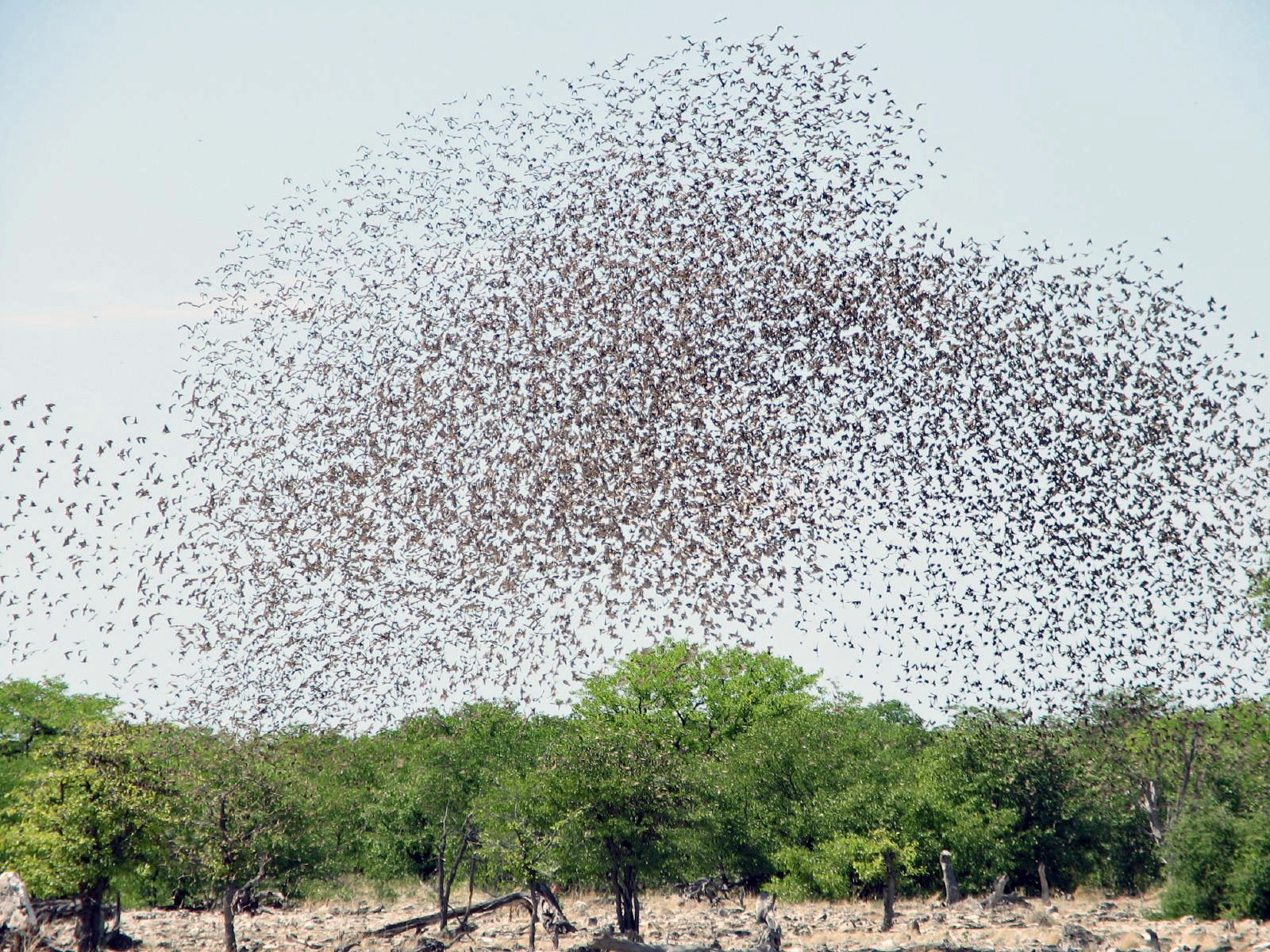
Rice farmers in Kebbi State are in a dilemma as quila birds, locally known as Buwa, continue to threaten food security by devouring their farm produce.
During a visit to rice clusters in the Argungu fadama land, including Dankwalli, Kuyar Masama, Janduma, Kwalaga, and others, farmers were seen shouting, wielding sticks, and using other materials to make loud noises to scare the birds away from their farms.
The farmers described the situation as disastrous. “Quila birds need only a short time to finish what farmers spend months cultivating. This forces us to move early to the farms and prevent the birds from ending our farming,” said Lauwali Usman, a farmer at the Dankwalli rice cluster.
Another farmer, Usman in Kuyar Masama, explained how the quila bird “has caused some farmers to harvest their rice early because they can no longer keep moving to their farms every morning and evening to prevent the birds from eating their produce. They are afraid of losing what they spent months cultivating.”
Many farmers have stories to tell about the quila bird and how it threatens rice farming. What they share in common, however, is an appeal to authorities to assist them by spreading chemicals to eliminate the birds, arguing that traditional methods are too weak.
In a previous interview, Dr Aminu Aliyu, an agriculturalist who teaches at the Department of Agricultural Education, Adamu Augie College of Education, Argungu, said the best and most scientific method of addressing the quila bird problem is “locating their nesting environment and spreading chemicals. This can be achieved by collaborating with local farmers and extension agents, and is normally done by the state government or in conjunction with the federal government.”
Dr Aliyu described quila birds as “migratory birds that travel long distances and can cause havoc to any farm they stay on, even within a short period.”
Apart from rising input costs and the petrol price hike due to subsidy removal, the quila bird has been a major problem affecting rice farmers since the beginning of dry season farming, known locally as Katashi in Kebbi State.