
By Ibrahim Aliyu Gurin
There are lectures you attend and forget, and there are those that stay with you and encourage you to rethink familiar ideas. The 59th Inaugural Lecture at Bayero University Kano belonged firmly to the latter.
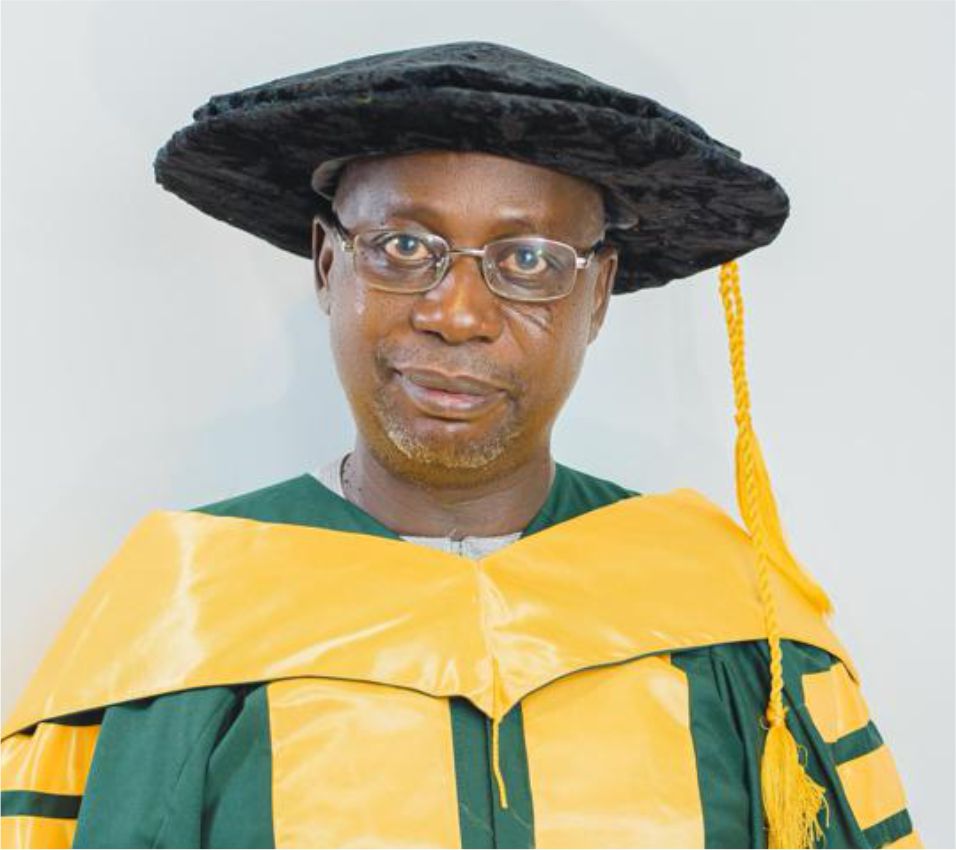
The BUK’s 59th Inaugural lecture delivered by Adamu Idris Tanko, FRGS, FANG, a Professor of Geography at Bayero University Kano, titled: “One World, Different Nations… and the Many Lessons to Learn,” offered a simple but powerful message: development is more than economic growth.
From the beginning, Professor Tanko explained that development is not a fixed goal. Instead, it is a continuous process that changes over time and across places. What progress looks like in one country may be very different from what it looks like in another.
In the past, development was mostly about economic growth, meaning how much a country produced and earned. However, over time, this idea expanded. Attention shifted to education, healthcare, housing, and later to environmental sustainability and quality of life.
Today, we can agree that growth alone is not enough. This is clearly shown in global tools such as the Human Development Index (HDI), developed by the United Nations Development Programme, which assesses health, education, and living standards. In the same way, economist Amartya Sen argues that development should be about improving people’s freedom and opportunities.
However, the lecture also showed that even these measures do not always tell the full story. A country can grow economically while many people remain poor. In other words, growth does not always improve everyday life.
This is why geography matters. Development is not the same everywhere. In richer countries, people may focus on better living conditions and environmental quality. But in poorer regions, the main concerns are still basic needs like food, shelter, and healthcare.
While the difference is visible in Sub-Saharan Africa, the region, including Nigeria, has great potential, especially because of its young population. At the same time, it faces serious challenges, including weak infrastructure, inequality, and climate-related problems.
Additionally, even where progress is visible, it does not reach everyone equally. Improvements in health or education can easily be affected by economic problems or conflict. As a result, development is often slow and uncertain.
One of the most important parts of the lecture focused on youth. As the lecturer noted, “our estimates suggest that over 60 per cent of the population in Nigeria is youth and under the age of 35.” This, in itself, should be a major advantage. However, many young people still struggle to find jobs after school, and their skills and energy are often underutilised. This creates a bigger problem because they must eat, and when legitimate means are unavailable, they find their own ways. In most cases, their formal and non-formal ways may not be legitimate and often lead to criminality, and this is not just about unemployment—it is about wasted potential.
To address this, the lecture called for new approaches. These include improving technical education, supporting entrepreneurship, and expanding digital skills. It also stressed the importance of the service sector in creating opportunities.
Interestingly, Professor Tanko also spoke about the role of sports. At first, it may sound a bit unusual, but when you think about it, it actually makes sense. In places like Kano, you see young people every day on open fields and street corners, playing football and other games. They show real passion and raw talent. The problem is that this energy often goes unnoticed and unsupported, leaving so much potential untapped.
If properly developed, sports can create jobs and opportunities. It can involve many areas such as coaching, healthcare, media, and event management. It also helps build discipline, teamwork, and confidence. In this way, sports can become part of a broader development strategy.
Overall, the lecture reminds us that development must reflect real life. It must focus on people, not just numbers. It must also take into account local realities and provide practical solutions. For Nigeria, this message is important. The country’s future depends on how well it supports its people, especially its youth, and, most importantly, on how it turns ideas into action.
It is a clear reminder to policymakers, scholars, and society that progress should be measured by how much it improves the lives of ordinary people. The real challenge is not just to grow, but to ensure that growth is meaningful, inclusive, and sustainable.
Ibrahim Aliyu writes from Baba Ahmed University, Kano. He can be reached via ibrahimaliyu5023@gmail.com.