
By Muhsin Ibrahim
The interview with Professor Tijjani Naniya on Arise News that I shared on Facebook yesterday continues to generate more (wild) reactions. At the time of posting this, more than 1100 comments had been made. This is far more than my previous posts or, generally, above-average social media posts.
Of those comments, many are expletives. I deleted a few, but I chose to leave almost all the subsequent ones, including those containing abuse and insults. Why?
I want people, especially the thoughtful among us, to see who the faces behind the Hausa Zallah agitation are and what many of them represent.
Those comments contradict several core Hausa socio-cultural ideologies codified by scholars such as Kirk-Green (1974), Alhassan et al. (1982), and Adamu (2001). I wonder where those so-called Hausa Zalla folks got them. If they were genuinely “Hausa Zalla”, they should demonstrate the cherished Hausa values.
Equally, go see how erstwhile Hausa “enemies” are defending the Hausa Zalla ideology. Naniya did not blame southeasterners for our growing insecurity or disunity. Rather, he traced the etymology of the term “Hausa-Fulani” to them. This is debatable, but it should be based on knowledge rather than insults.
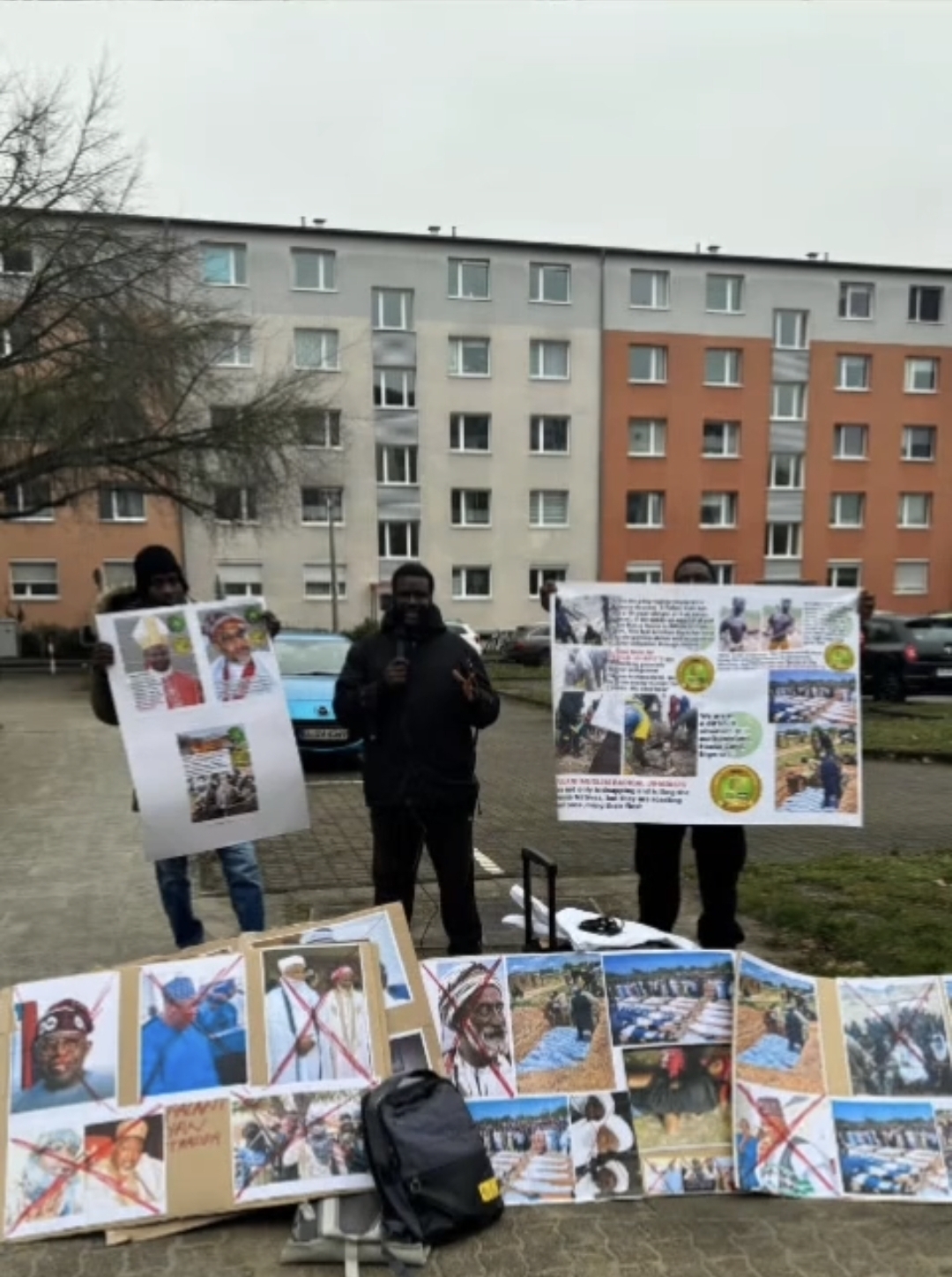
When the Hausa Zalla staged a protest in Berlin, they displayed pictures of Nnamdi Kanu and called for his release. Why? So, even if Naniya associated the agitation with the Southeast, he might not be wrong. We should dig deeper to find the connection because it exists.
Folks asked for my opinion on all this. I have no problem with people identifying as Hausa, Fulani, or both. Actually, it’s bag governance that is fuelling all this hogwash. Identity politics is not a case in places where people live in peace and property.
In my neighbourhood in Cologne, there is a mosque, a church, and a mandir (a Hindu temple) within shouting distance. I have lived here for five years. I have never witnessed ANY problems between followers of these religions.
For me, we should unite against bandits, terrorists and corrupt politicians. They do not fight for or represent any particular ethnicity, religion or region. They are our real enemies, not your friend, colleague or neighbour who did not choose to be born Hausa, Fulani, Igbo, Yoruba, you name it.
When bandits or terrorists strike, they often do not distinguish between victims. They kidnap or kill them all. When a politician steals our money, it affects our roads, schools, hospitals, and more.
Wake up. Think and do the right thing.
Muhsin Ibrahim can be reached via muhsin2008@gmail.com.