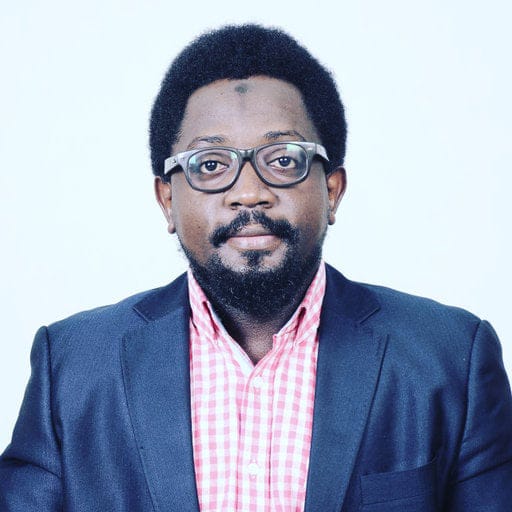
By Uzair Adam
Dr Abubakar Hidima, a Nigerian petroleum engineer, has questioned what he described as unequal standards in the treatment of Muslims and Christians holding public offices, following criticism of the appointment of Professor Salisu Shehu as Executive Secretary of the Nigerian Educational Research and Development Council (NERDC).
Hidima raised the concerns in a post on his verified X (formerly Twitter) handle on Monday titled ‘Muslims Deserve Equal Fairness in Nigeria’, in which he cited several Christian religious leaders who had occupied prominent government positions to challenge what he considered discriminatory reactions to Shehu’s religious and academic background.
Shehu, a Professor of Educational Psychology, has faced criticism over his appointment, reportedly linked to his authorship of a book on the Islamisation of Knowledge and his association with Islamic organisations.
In his post, Hidima recalled the political and public service careers of several Christian religious figures, including former Vice-President Yemi Osinbajo, who served between 2015 and 2023 while remaining a pastor of the Redeemed Christian Church of God (RCCG).
He also cited former Taraba State Governor Jolly Nyame, an ordained Christian minister, and the current governors of Benue and Akwa Ibom states, Reverend Father Hyacinth Alia and Pastor Umo Eno, respectively.
Others mentioned included former Director-General of the Budget Office of the Federation, Ben Akabueze, whom he identified as an RCCG pastor, and Nigeria’s First Lady, Senator Oluremi Tinubu, who is also an ordained pastor of the church.
Hidima particularly referenced the First Lady’s reported donation of seven compressed natural gas (CNG)-powered buses to the Youth Wing of the Christian Association of Nigeria (YOWICAN) in 2025 to support its evangelical activities.
He also mentioned her reported donation of N100 million to the Christian Northern Nigeria Political Forum during Christmas activities in Kaduna.
Using the examples, Hidima questioned why the religious affiliations and intellectual engagements of Christian public officeholders were generally not treated as grounds for questioning their suitability, while Shehu’s Islamic background had become a subject of controversy.
“If a pastor can become Nigeria’s Vice President, a Catholic priest can govern an entire state, and another pastor can oversee an institution central to the nation’s budget, why should an Islamic scholar’s religious and intellectual background automatically become evidence of unfitness to lead an educational research council?” he queried.
He further asked whether Osinbajo had been required to renounce his pastoral identity before becoming Vice-President or whether Alia had to abandon his priesthood before assuming office as governor of Benue State.
Hidima also questioned whether the public would react differently if a prominent Muslim public figure donated buses to support Islamic missionary activities, commonly known as Da’awah.
According to him, Professor Shehu deserves the same consideration given to Christian religious figures who have occupied influential public positions without being required to abandon their religious identities.
Defending Shehu’s credentials, Hidima said the NERDC executive secretary holds a PhD in Educational Psychology, has spent decades in university teaching and administration, served as a university vice-chancellor and participated in educational policymaking.
He argued that Shehu’s academic qualifications and professional experience were directly relevant to the responsibilities of the council, which oversees educational research and curriculum development in Nigeria.
Hidima further maintained that writing a book on the Islamisation of Knowledge did not automatically suggest an intention to impose Islamic teachings on Nigerian schoolchildren.
He also recalled the experiences of former Minister of Communications and Digital Economy, Professor Isa Ali Pantami, who faced intense public criticism during his tenure between 2019 and 2023, including scrutiny of his previous religious statements.
Similarly, he cited former Registrar of the Joint Admissions and Matriculation Board (JAMB), Professor Is-haq Oloyede, whose tenure he said witnessed improvements in financial accountability, government remittances and examination administration.
Hidima suggested that some of the criticism directed at prominent Muslim scholars in public service appeared to extend beyond their professional performance to their religious identities.
“The problem is not that pastors occupy public offices. The problem arises when some Nigerians appear comfortable with Christian religious leaders exercising enormous public authority,” he stated.
He argued that religious identity should not become a disqualifying factor for qualified individuals seeking or occupying public positions, insisting that Muslims deserve the same fairness and consideration afforded to their Christian counterparts.
Hidima Questions Religious Double Standards Over Criticism of NERDC Boss

ByAdmin
16 November 2026