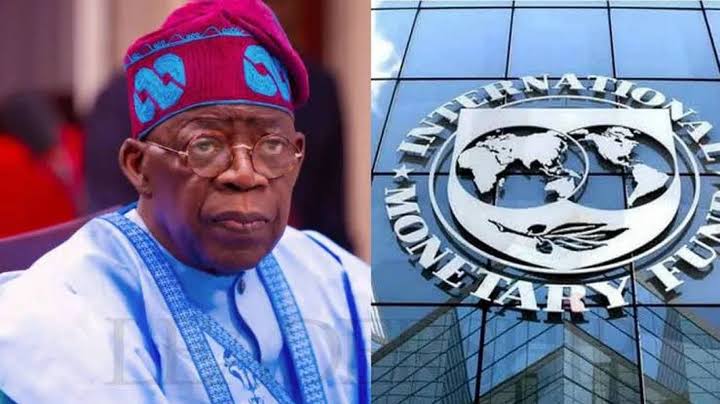
By Sabiu Abdullahi
The World Bank has stated that about 79% of Nigerians are either living in poverty or remain at risk of falling into poverty despite the economic reforms introduced by President Bola Tinubu’s administration over the past three years.
The assessment appears in the World Bank’s newly approved Country Partnership Framework for Nigeria (2026–2032) and the accompanying Streamlined Country Diagnostic, which examined the country’s economic performance and development challenges.
According to the report, 61% of Nigerians currently live below the poverty line, while 33% are classified as ultra-poor and unable to meet their minimum food needs.
The World Bank acknowledged that the Federal Government’s reforms have improved several macroeconomic indicators. It said economic growth rose from 3.5% in the first half of 2024 to 3.9% during the same period in 2025. It also noted that foreign reserves have exceeded $42 billion, fiscal deficits have declined, and investor confidence has improved.
Despite those gains, the institution said the benefits have not yet translated into better living conditions for many Nigerians because major structural challenges remain.
The report stated: “Thirty-three per cent of its population is ultra-poor (food insecure by age-weighted caloric intake), 61 per cent is below the poverty line, and 79 per cent is near poor (below the poverty line or vulnerable to falling back into poverty).
“Despite recent bold reforms stabilising the economy and laying the groundwork for the Renewed Hope Agenda, significant structural challenges remain,” it said.
World Bank Says 79% of Nigerians Remain Poor or Vulnerable Despite Tinubu’s Claim of Reforms

ByAdmin
16 July 2026