
By Isyaka Laminu Badamasi
As Muslims, we are encouraged to support the vulnerable among us during the holy month of Ramadan, as acts of charity during this sacred period are multiplied in reward. Ramadan is a time devoted to ibadah (worship), compassion, and the pursuit of spiritual salvation. Both the Qur’an and the Hadith emphasise the importance of helping those in need, particularly during this blessed month.
Zakat, by its very concept, is an Islamic strategy for poverty alleviation and empowerment. It is designed to enhance economic well-being, improve livelihoods, significantly reduce the number of people living in poverty, and strategically increase the number of economically independent individuals. If this divine system is fully adopted and properly incorporated into our socio-economic structures, it can pave the way for a more prosperous, stable, and secure society. This principle is well supported by Islamic teachings, and more information can be obtained from the Zakat and Endowment Units within Shariah Commissions across Muslim-majority states.
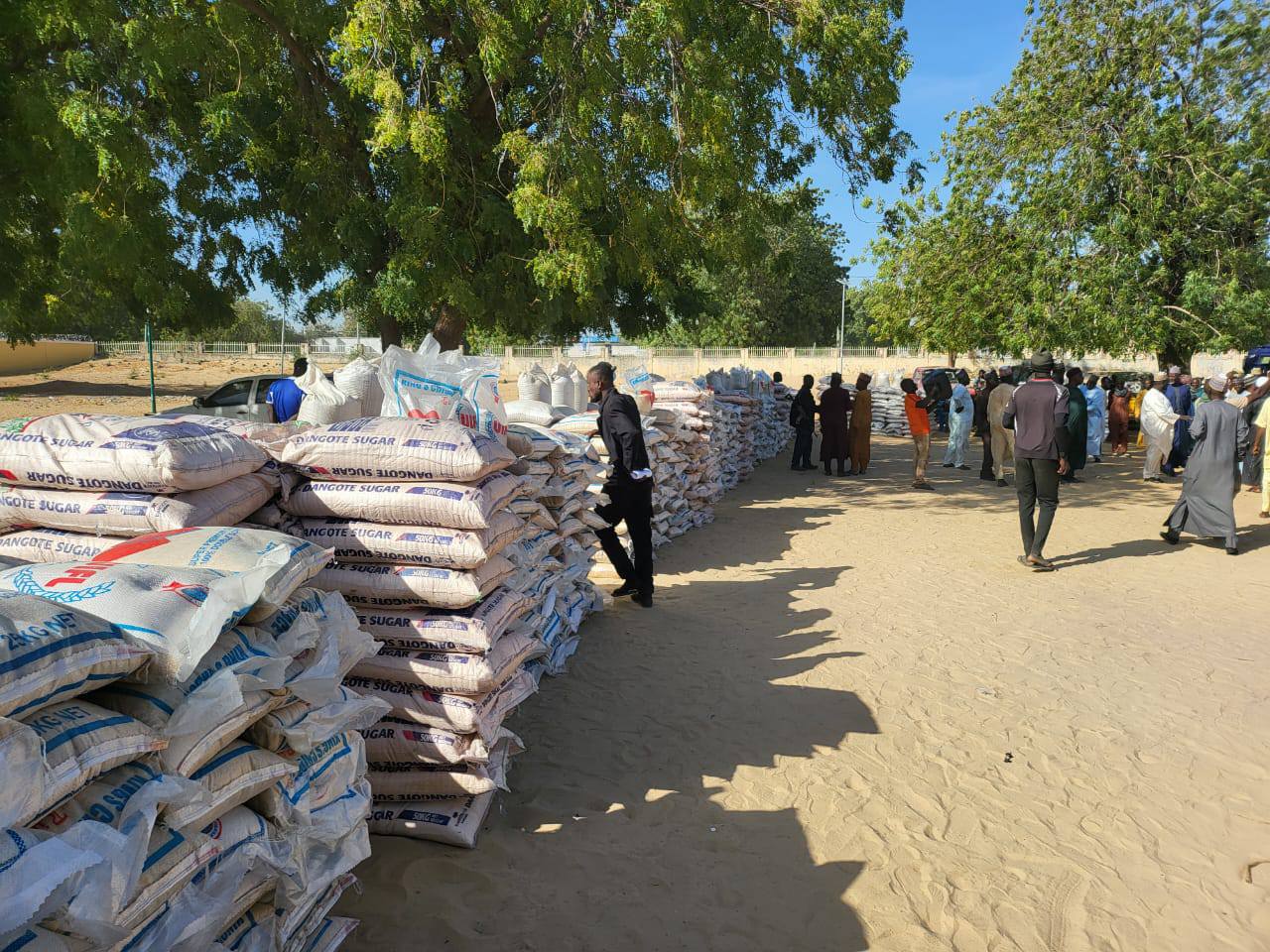
As an observer—and someone who has had the opportunity to relate and work with people who serve as members of committees distributing Ramadan palliatives, Sadaqat, Zakat and other palliative programs —a thought often comes to mind during these exercises. The distribution packages usually target vulnerable individuals such as orphans, widows, persons with disabilities, the elderly, internally displaced persons, and those struggling to survive amid the multidimensional poverty affecting many communities in this part of the world.
While this gesture is noble and commendable, I strongly believe that some of these beneficiaries, with the right support, could become economically self-reliant and eventually leave the long queues for palliative collections—queues that, in some unfortunate cases, have even led to injuries or deaths. We can all remember the stampedes during palliative distributions across the country.
Considering the hundreds of millions, or even billions, of Naira spent annually on Ramadan palliatives by wealthy individuals, corporate organisations, politicians, and governments — which is commendable and should be sustained — it may be worthwhile to redirect part of these resources, or allocate a specific portion toward empowerment initiatives.
For example, a modest sum of N10,000 or N20,000 can be enough to help some women start small income-generating activities. Interestingly, many of the food packages distributed during Ramadan or other palliative programs are often worth more than that amount. (I am not referring to those sharing cooked food or smaller packages) If such resources or separate allocation were converted into empowerment opportunities, they could promote sustainable development rather than temporary relief through the routine distribution of food items. Many professional entrepreneurs and social workers can attest to the long-term benefits of such an approach.
At Initiatives for Sustainable Development (I4SD), we are preparing to pilot this strategy by supporting a small group of vulnerable women through green-skills economic empowerment programs. Our aim is to create a practical model that Governments, philanthropists, corporate organisations, NGOs, and well-meaning individuals can replicate. We welcome professional support, partnerships, and collaboration to help actualise this vision for a more sustainable future—one filled with dignity, happiness, and social tranquillity.
ALLAH YA karbi ibadun mu, amin.
Isyaka Laminu Badamasi wrote via makwalla82@gmail.com.