By Ahmed Musa Husaini
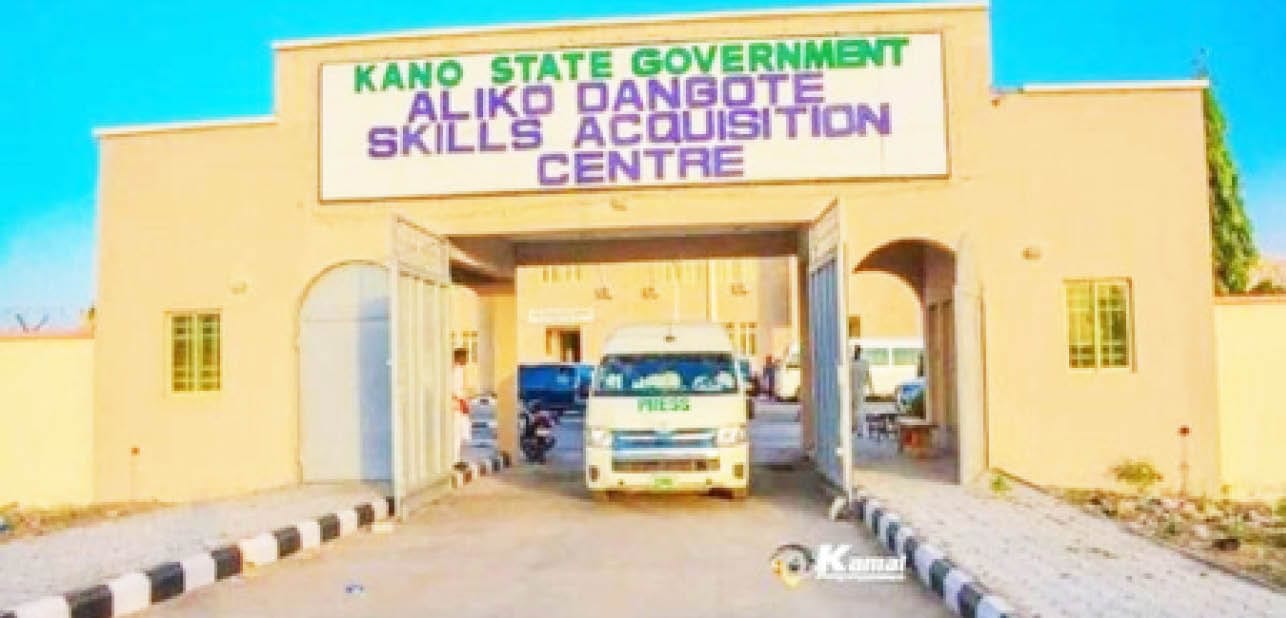
I’m genuinely fascinated by the Aliko Dangote Skills Acquisition Center in Kano, not just because of how well-equipped it is, but also because of the quality and relevance of the courses it offers.
That center alone has the potential to, in the medium term, send 2,000 skilled Kano artisans to the European market every year. If this was the only thing Aliko Dangote ever did for Kano, I’d say he has paid his dues.
Jobs like electricians, welders, mechanics, plumbers, carpenters, scaffolders, excavator operators, bricklayers, fitters, solar installers, HVAC technicians, and instrumentation mechanics are in very high demand across Europe. And this isn’t a temporary trend – it’s structural – driven by aging populations and declining birth rates. That means the demand for these skilled workers is here to stay.
Currently, Europe faces an estimated shortage of about 5 million skilled artisans, with an additional 400,000 replacement jobs opening up every year due to retirements. In the UK alone, 10,500 new electricians are needed annually just to maintain the current workforce, yet only about 7,500 apprentices are produced, leaving a huge gap.
Countries like Germany and the Netherlands offer expedited visa pathways for skilled workers in these high-demand occupations, with competitive salaries often at par with mid-level professionals, in addition to strong labor protections and social security systems.
Many countries in the Global South are already positioning their citizens to take advantage of these opportunities. In 2024, Kenya signed a comprehensive migration and mobility partnership with Germany, creating legal pathways for skilled Kenyan workers. That same year, Senegal signed its skills partnership with Germany, and Tunisia followed with the Africa Skills for Germany (AS4G) program. Earlier this year, India signed a mobility pact aimed at aligning its national qualifications with European standards, enabling mutual recognition of apprenticeship certifications.
Back home, Nigeria is also part of the Global Skills Program in construction, designed to address labor shortages in Nigeria and Germany through a partnership involving the Nigeria College of Practical Skills Enugu, the International Center for Migration Policy and Development, and private firms from Germany and Austria.
Which brings me back to the Dangote Center.
As impressive as the facility is, I believe the biggest mistake Dangote made was handing over its management to the state government. Governments, especially in Nigeria, are notoriously poor at running institutions like this. At the outset, Dangote had pledged to hire expatriates to run the center and ensure its operations and curriculum remained globally competitive. It is obvious that the pledge never quite materialized.
Going forward, Dangote should take back management of the center through the Aliko Dangote Foundation, or hand it over to a competent private operator. It would be a tragedy of historic proportions if a facility with this much potential is allowed to waste.
Just imagine the impact: 2,000 highly skilled Kano-born artisans working in Europe, each earning €35,000-€50,000 annually. The cumulative long-term impacts of the remittances alone would transform Kano’s economy, in addition to the new ventures, diaspora connections, and cultural exchanges that would follow. Now imagine scaling that number year after year for the next decade.
That’s not just a skills center, it has the potential to be Kano’s most important incubator of wealth if properly run.