By Sabiu Abdullahi
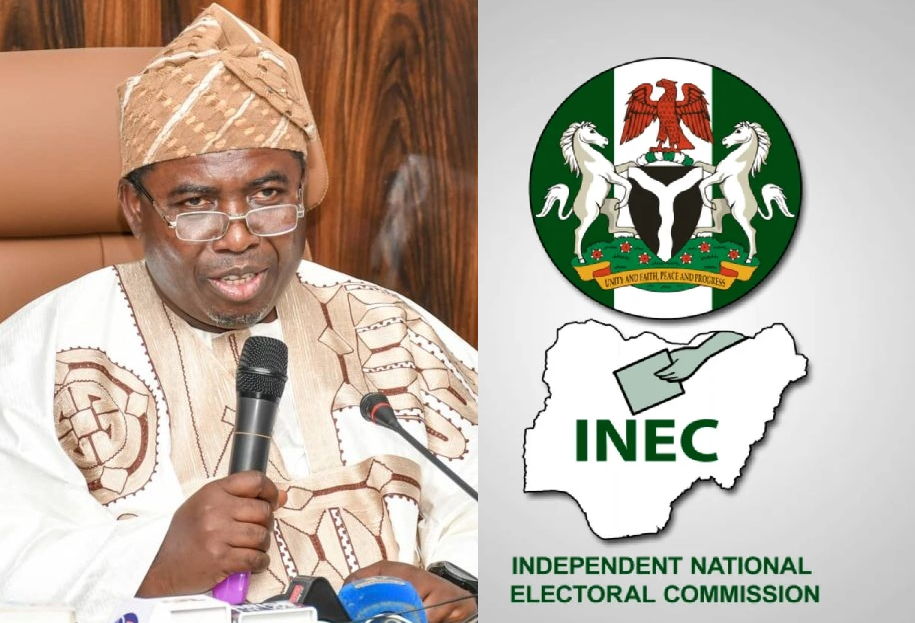
The Muslim Rights Concern (MURIC) has formally taken its demand for the removal of Professor Joash Amupitan, Chairman of the Independent National Electoral Commission (INEC), to the National Assembly.
MURIC and allied Islamic organisations are seeking Amupitan’s ouster due to his authorship of an 80-page legal brief alleging Christian genocide in Nigeria.
In a statement on Wednesday, MURIC’s Executive Director, Professor Ishaq Akintola, said, three months after Islamic organisations first called for Amupitan’s removal, he remains in office.
Akintola accused the presidency of showing “little interest in addressing complaints from Islamic groups,” despite what he described as “indisputable evidence” that the INEC chairman made false allegations against Nigerian Muslims before an American audience.
He questioned the federal government’s commitment to fairness, suggesting it responds more readily to “frivolous demands” than to “evidence-based complaints from law-abiding Islamic organisations.”
MURIC voiced concern that Amupitan’s continued leadership could erode public confidence in INEC’s neutrality ahead of the 2027 general elections. The group warned that alleged anti-Muslim bias might become a contentious issue in future electoral disputes.
“Since the presidency appears uninterested in listening to the complaints of Muslims against Amupitan, we must take his case to the court of the people’s representatives, the National Assembly,” Akintola said.
He noted that the call for removal was not about the INEC chairman’s religion but about what MURIC described as a “fanatical and hateful” attitude toward Nigerian Muslims.
The organisation urged lawmakers in both chambers to investigate the matter, stressing that Muslims, as citizens and taxpayers, deserve a platform to be heard.
MURIC also reiterated that Amupitan was unsuitable to serve as an impartial electoral umpire in 2027.
According to Daily Trust, Amupitan contributed to the 2020 publication Nigeria’s Silent Slaughter: Genocide in Nigeria and the Implications for the International Community, released by the International Committee on Nigeria (ICON) and the International Organisation on Peace-building & Social Justice (PSJ).
His 80-page chapter, titled Legal Brief: Genocide in Nigeria, argued that the scale and pattern of killings and displacement of Christians met the threshold for genocide under international law. The brief also criticised the federal government for failing to protect affected communities and deliver justice for victims.
MURIC escalates call for INEC Chairman Amupitan’s removal over ‘Christian genocide’ article

ByAdmin
5 March 2026