By Sabiu Abdullahi
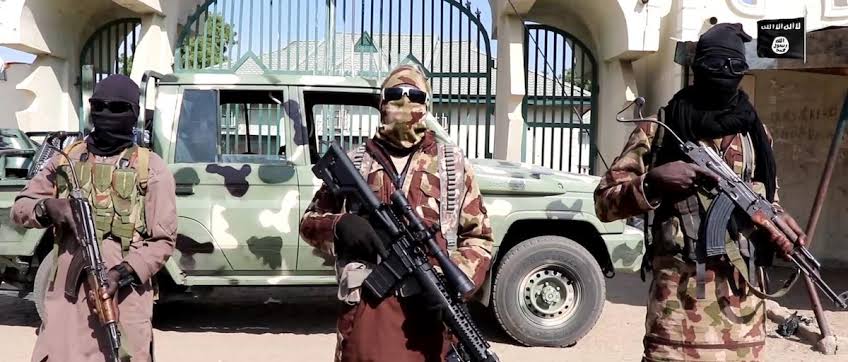
The Islamic State West Africa Province (ISWAP) has reportedly adopted financial incentives to attract fighters and retain existing members, with rewards linked to military equipment seized during attacks on Nigerian security forces, according to a report by the Institute for Security Studies (ISS).
The findings were contained in a report titled ‘Wiring the Insurgency: Inside ISWAP’s Adaptive Technology Programme’, published on Thursday.
Taiwo Adebayo, the ISS researcher who authored the report, disclosed the findings in an interview with TheCable on Saturday, explaining that the insurgents’ financial incentive system had evolved into a means of recruitment and retention.
According to the researcher, interviews with former insurgents suggested that economic hardship and financial incentives had influenced some individuals to join the group, including those who were not primarily motivated by religious beliefs.
The report said the arrangement had been in place for several years, while some former fighters reportedly expressed concerns that the group could struggle to retain newer recruits without such incentives.
It also identified military installations as targets for the insurgents, noting that attacks on security facilities had contributed to the group’s access to weapons and other military equipment.
Since 2025, ISWAP has reportedly carried out several attacks on military facilities, although the overall quantity of equipment lost to the group remains unknown.
A senior Nigerian intelligence source reportedly confirmed the loss of weapons to the insurgents, describing the situation as a serious concern for the country’s security forces.
The report also referenced a claim by ISWAP in March that it had captured military equipment during an attack.
Beyond battlefield acquisitions, the research said former fighters identified smuggling routes and other networks as additional sources through which the group obtained weapons and supplies.
It further alleged that ISWAP’s financial network received assistance from the Islamic State’s central leadership in the Middle East.
The report identified Kano and Lagos as alleged supply hubs for technological equipment used by the insurgents, while also highlighting cross-border networks and intermediaries involved in moving goods and financial resources.
According to the research, some equipment was sourced internationally and moved through commercial channels, with currency exchange operators allegedly playing a role in facilitating transactions.
The report also referenced previous terrorism-financing investigations and sanctions involving individuals and businesses in Nigeria, including allegations against some currency exchange operators.
However, the allegations concerning individuals and businesses cited in the report do not, by themselves, establish criminal responsibility for those named.