By Hauwa Ibrahim
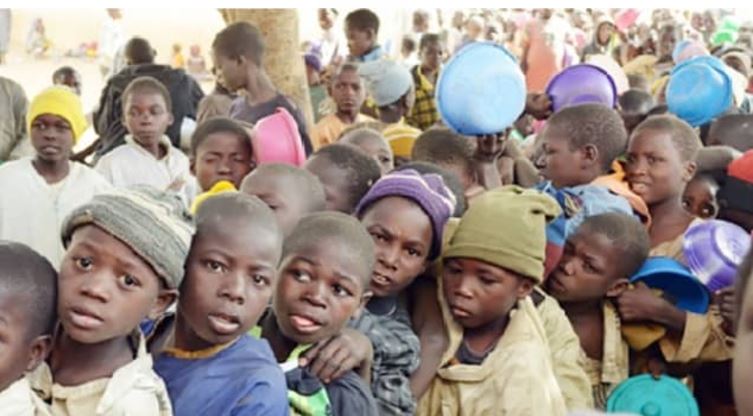
The Almajiri system has for too long remained one of Nigeria’s most visible social failures. Every day, thousands of children can be seen wandering the streets of northern cities barefoot, bowl in hand, begging for food under the guise of religious education. This practice, which was once a modest system of Quranic learning, has now degenerated into a cycle of neglect and poverty.
It is time for Nigeria to take a hard look at the Almajiri system and begin a complete rethink of its relevance and structure. The reality is that the system, as currently practised, violates the rights of children to proper education, healthcare, and protection. No child deserves to live on the streets in the name of learning.
Originally, the Almajiri tradition was a respected form of Islamic scholarship. In pre-colonial times, young pupils lived with Islamic scholars who taught them the Quran and basic literacy. The local communities supported these students with food and shelter, making it a communal effort that worked within the social structure of the time.
However, that system no longer functions as it once did. The breakdown of community support and government neglect have turned many Almajiri schools into breeding grounds for child labour and exploitation. Today, these children are left to fend for themselves in harsh conditions, begging for survival instead of receiving the education they were promised.
The consequences of this neglect are enormous. Many Almajirai grow up without formal education, skills, or prospects for the future. Deprived of opportunities, some become vulnerable to criminal recruitment or radicalisation. It is a humanitarian crisis that continues to grow silently in plain sight.
In recent years, several administrations have promised reforms. The Goodluck Jonathan government, for example, launched a programme to integrate the Almajiri system with basic education by building special schools across the North. Sadly, most of those schools have either been abandoned or converted to other uses due to poor implementation and lack of continuity.
The time has come for both federal and state governments to revisit the issue with sincerity. Reform must go beyond building classrooms. It must involve a complete restructuring that prioritises the welfare, education, and future of every child. Government must work with religious leaders and traditional institutions to design a model that preserves the moral teachings of Islam while ensuring that children are not left to roam the streets.
Community participation is also crucial. Parents and guardians must be sensitised on the dangers of sending their children away without supervision. Poverty is often the main reason behind this practice, so tackling it requires broader social welfare programmes, including free basic education, school feeding, and parental support schemes.
The role of religious leaders cannot be overstated. They must use their influence to advocate for a humane and modern approach to Quranic education. Islam encourages the pursuit of knowledge but does not sanction child neglect. Reimagining the Almajiri system must therefore align with both faith and social responsibility.
Civil society groups and the private sector can also contribute by supporting community-based schools and vocational centres where Almajiri children can acquire practical skills alongside religious learning. This will help integrate them into society and reduce the number of children living on the streets.
Education remains the most powerful tool for transforming lives. Every Nigerian child, regardless of background, deserves access to quality education in a safe environment. Allowing millions of children to live as beggars is not only an injustice to them but also a threat to the country’s future.
There is also a public health dimension to the crisis. Almajiri children, often living in unsanitary conditions, face constant exposure to diseases and malnutrition. Their situation undermines national efforts to improve public health and fight poverty.
A deliberate, well-coordinated national plan is needed to phase out the exploitative aspects of the Almajiri system. The solution lies in integration, rehabilitation, and empowerment, not neglect. Education ministries, social welfare agencies, and faith-based organisations must work together to ensure no child is left behind.
Ultimately, the Almajiri problem is not just a northern issue but a national one. A society that allows millions of its children to beg on the streets cannot claim progress. Nigeria must confront this reality and take decisive steps to end a system that perpetuates poverty and ignorance.
If the nation fails to act now, the cost will be enormous. The uneducated children of today could become the disillusioned adults of tomorrow. Reforming the Almajiri system is therefore not an act of charity but an urgent investment in Nigeria’s stability, security, and development.
Hauwa Ibrahim, Department of Mass Communication, University of Maiduguri.