By Lovelyn Emmanuel
Education is a fundamental right for every individual, and without it, ignorance thrives. The true purpose of education is not merely to expand intellectual knowledge but to mold individuals into productive, self-reliant, and responsible members of society. It should empower citizens with the tools needed to contribute meaningfully to national growth and personal development.
Unfortunately, Nigeria’s education system has placed disproportionate emphasis on academic qualifications, often sidelining practical learning. Most institutions are built around theory-driven academic programmes, while real-world career skills—essential for survival in today’s competitive labour market—receive little or no attention.
The consequences of this imbalance are visible in the growing unemployment crisis. Over the last decade, the number of jobless youths has risen sharply. In fact, the Minister of Labour and Productivity, Dr. Chris Ngige, once warned that this trend is likely to worsen in the years ahead. Many university graduates leave school with degrees but lack the practical skills and competencies required to thrive in a rapidly changing society.
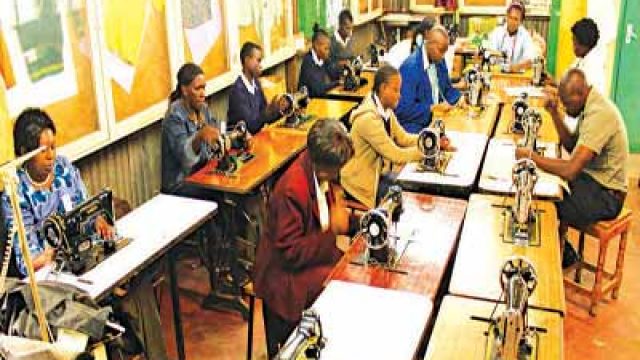
This is why vocational education must be fully integrated into the Nigerian curriculum. Students should be equipped with hands-on skills alongside their academic studies to ensure they can navigate economic realities. Ideally, vocational training should start from childhood, giving young people time to nurture and refine practical abilities as they mature. Early childhood centres and primary schools could help set this foundation.
A widespread misconception is that vocational education is only for those who cannot afford “standard” schooling. This is entirely false. In reality, vocational skills are valuable for everyone. Acquiring such skills does not only enhance employability but also provides alternative sources of income. In an economy where traditional job opportunities are shrinking, skills can be a lifeline.
The gap in vocational training remains one of the most pressing challenges facing Nigeria today. Around the world, education is gradually shifting from paper-based qualifications to skill-based expertise that can be applied in the workplace. Nigeria cannot afford to lag behind. Vocational and technical training should be reimagined as a pathway to professional growth.
Lovelyn Emmanuel, Department of Mass Communication, University of Maiduguri.