By Sabiu Abdullahi
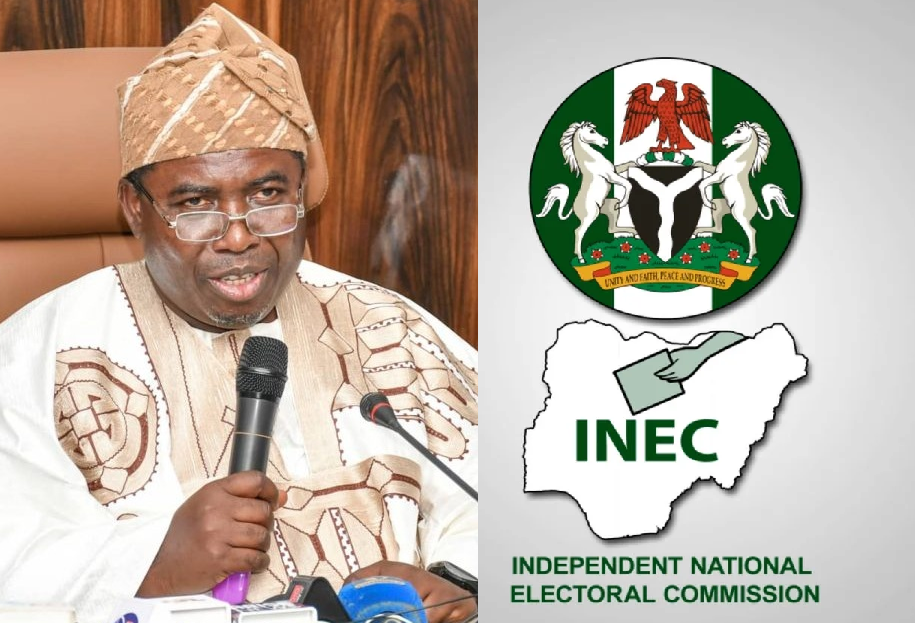
The Independent National Electoral Commission (INEC) and the National Assembly have reportedly agreed to revise the timetable for Nigeria’s 2027 elections, moving the presidential poll from February 20 to January 16 and the governorship elections from March 6 to January 30. The decision comes after widespread criticism that the original schedule coincided with the Ramadan fasting period.
Insiders within the electoral body and federal legislature confirmed the shift, describing it as a response to mounting concerns from religious groups, political stakeholders, and civil society organizations.
“After several meetings, both sides agreed that the February date is no longer tenable. The new proposal now on the table is January 16 for the presidential election and January 30 for the governorship polls,” a senior INEC official told newsmen on condition of anonymity.
A ranking senator echoed the development but noted that the proposal would still undergo debate in the National Assembly.
“That is the working proposal. But until it is formally adopted, it remains subject to change,” the lawmaker said.
The change follows intense opposition to the initial schedule. INEC had first set February 20, 2027, for presidential and National Assembly elections, with governorship and state assembly elections slated for March 6. Muslim groups and political actors criticized the timing, pointing out that it fell within the 2027 Ramadan period, projected from February 7 to March 8.
Former Vice President Atiku Abubakar publicly warned that holding elections during fasting could suppress voter turnout among Muslims. Former presidential aide Bashir Ahmad also urged the commission to reconsider, stressing that meaningful participation could be affected during a period traditionally devoted to fasting and spiritual reflection.
Over the weekend, some lawmakers reportedly proposed February 13 as a compromise. However, fresh consultations between INEC and the National Assembly appear to have produced a more substantial adjustment, pushing the elections into January. If approved, January 16 would rank among the earliest presidential election dates in Nigeria’s Fourth Republic.
The National Assembly acted swiftly to reflect the urgency of the matter. Clerk to the National Assembly Kamoru Ogunlana directed senators and members of the House of Representatives to reconvene at 11:00 a.m. on Tuesday, February 17, 2026, for what was described as a session to take “very crucial decisions.”
Although the official notice did not outline the agenda, insiders confirmed that reconsideration of the 2027 election timetable was the primary reason for the emergency plenary session. Consequently, a conference committee meeting scheduled for Monday to harmonize differences in the Electoral Act Amendment Bill was suspended.
Sada Soli, a member of the House conference committee, confirmed the suspension, while another member, Iduma Igariwey, acknowledged the postponement. A Senate source said lawmakers would prioritize resolving the sensitive issue of election dates before returning to other contested provisions of the bill.
The proposed change signals INEC’s willingness to respond to public and political pressure, illustrating the influence of citizen engagement, religious concerns, and political discourse in shaping electoral arrangements in Nigeria.
INEC bows to pressure, reportedly proposes new dates for 2027 elections over clash with Ramadan

ByAdmin
17 February 2026