
By Isah Kamisu Madachi
During the 2025 Ramadan fasting period, schools were shut in some states across northern Nigeria. The decision sparked public outrage, with many Nigerians questioning it. The unanimous reason given by authorities was that the heat had become unbearable in the affected states, necessitating the closure of schools. For many people, that was a reasonable excuse, but beneath it, to a keen observer, lay a policy failure that deserved more attention than it received. Northern Nigeria, particularly the North East and North West, sits within a semi-arid belt bordering the Sahara Desert. It has always been hotter than other parts of the country.
What that school closure quietly revealed was the absence of a national or state heat management policy. Nigeria, of course, has policies for floods, droughts, the energy transition, disaster response, climate and health adaptation. However, heat is largely unmanaged. There is no clear policy framework on how schools, workers, farmers, or low-income households should cope with rising temperatures. As a result, heat is not treated as a public policy emergency.
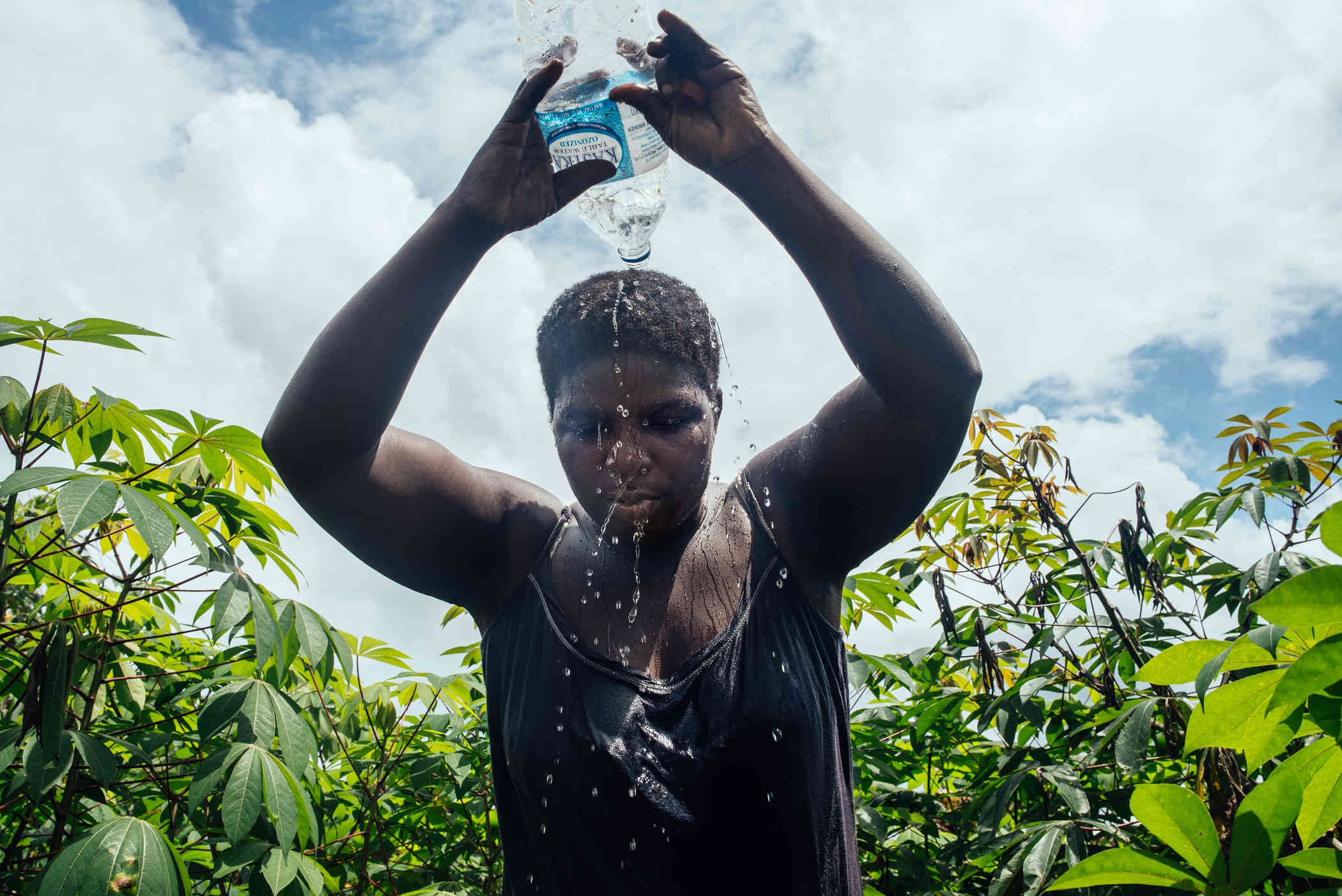
This is not an attempt to relitigate the school’s closure. Rather, it is an effort to call attention to how rising heat is silently pushing Nigerians deeper into poverty, food insecurity, and worsened health conditions. Heat stress is now not just an environmental concern but a development issue that largely affects productivity, education, health, and household income. Unlike floods, heat is not dramatic; it is as deadly as, or even worse than, floods. It creeps into everyday life, drains energy, reduces earning hours, and increases health risks.
Evidence globally has established a strong link between extreme heat and poverty, particularly in low-income societies.
For many outdoor workers, earning a livelihood has become increasingly difficult. In some places, work cannot continue after noon due to extreme heat. Those who push through do so at the expense of their health, suffering dehydration, headaches, and heat exhaustion. The result is lost income and rising healthcare costs, which also consume the little savings they manage to earn under the heat.
The education sector also tells a worrying story. Recently, during a visit to the primary school I attended in Bauchi State, I saw how teachers and pupils were struggling under the suffocating heat. The teacher was drenched in sweat. The pupils were distracted, trying to hand-fan themselves with notebooks. Learning was taking place in form, but not in substance.
If Nigeria is serious about improving educational outcomes, then heat-resilient classrooms should be available to them. Policies must begin to prioritise basic cooling solutions, such as renewable-powered fans and ventilation systems in public schools.
Another backbone of livelihoods—agriculture—is also under serious threat. Rising temperatures stress crops, exacerbate pest and disease problems, shorten growing seasons, and reduce yields. For smallholder farmers, this condition results in lower incomes and food insecurity. Strengthening climate adaptation plans for agriculture is therefore necessary, particularly in areas most vulnerable to heat and erratic rainfall.
Reducing carbon emissions is central to addressing climate change, and Nigeria has a role to play. Governments, industries, energy companies, and individuals all share responsibility. Lifestyle changes, such as reducing reliance on biomass and fossil fuels when cleaner alternatives are available, matter. Access to solar-powered equipment and off-grid electricity can also significantly reduce emissions and improve living conditions.
However, lifestyle change alone is not the solution. Without coordinated policies that expand access to affordable renewable energy, low-income households will continue to rely on unsustainable energy sources. Heat, energy poverty, and health outcomes are connected, but our existing policies often treat them in isolation.
This is where government responsibility sets in. At the federal and local levels, there must be deliberate investment in renewable energy solutions that directly improve people’s daily lives. Solar mini-grids, clean cooking technologies, and low-cost cooling appliances should be treated as public health and poverty alleviation priorities. If heat can shut down schools, reduce productivity, and worsen health outcomes, then it, by all standards, deserves a higher place in Nigeria’s policy agenda.
Nigeria cannot afford to continue reacting to climate impacts only after damage has been done. Rising heat is shaping how we work, learn, farm, and earn. Ignoring it does not make it disappear. It only deepens inequality and exposes the most vulnerable to greater harm. A country serious about development must begin to treat heat as the policy challenge that it truly is.
Isah Kamisu Madachi is a public policy enthusiast and development practitioner. He writes from Abuja and can be reached via isahkamisumadachi@gmail.com.