
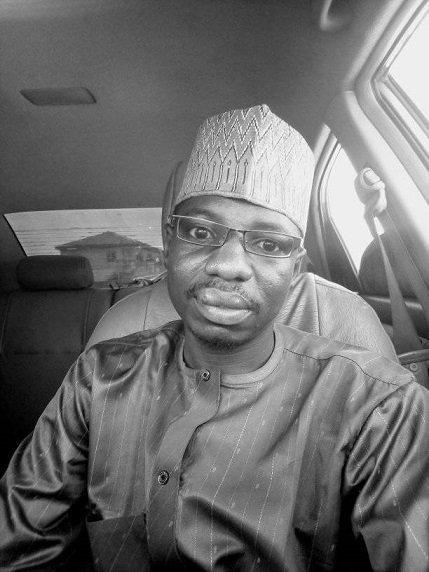
By Abdurrazak Muktar Makarfi
In every society, old age is a phase of life that carries a certain gravity, a reminder of the inevitable passage of time that each of us must face. Seeing an elderly person struggling with tasks that once came easily to them can evoke a deep sense of empathy and respect.
It is a poignant reminder that no matter how strong or capable we may be today, the years will eventually catch up with us all. This awareness has shaped my interactions with the elderly, fostering a profound respect for them, regardless of their status or achievements.
When I see an elderly man striving to complete a task that his body can no longer manage, it fills me with quiet sorrow, not because of his struggle alone, but because I recognise that one day, I, too, will face similar limitations. It is this awareness that guides my actions. If an elderly person asks me to stop doing something, no matter how important it may seem, I will stop. Not out of fear but out of respect for the years they have lived and the wisdom they have gained.
This respect for the elderly is not just about acknowledging their age but understanding the value of their experience. They have seen more of life than we have, and their words often carry the weight of that experience. Disregarding their counsel or disrespecting them is not only unkind but short-sighted. It ignores the fact that one day, we, too, will seek the respect and kindness of those younger than us.
Recently, I came across a disturbing video of Sarkin Gobir, a respected elder, who had been subjected to unimaginable cruelty by bandits. The sight of this old man, who had lived through so much, being treated with such brutality shook me to my core. It wasn’t just his status as a leader that made the situation so tragic, but his age. The mere fact that he was an elderly man should have been enough to shield him from such violence. Yet, these bandits failed to see the old age in him, or perhaps they saw it and chose to ignore it, driven by their evil.
When I later heard that Sarkin Gobir had passed away, my heart was heavy with sorrow, not only for his death but for the fate of those who wronged him. They had deprived an old man of his dignity in his final days, and in doing so, they had invited darkness upon their souls. Without Sarkin Gobir’s forgiveness, they are condemned to live with the weight of their actions. And indeed, peace will elude them for the rest of their lives, for they have committed an unforgivable sin against a man who should have been revered, not harmed.
This tragic event serves as a stark reminder of the importance of treating the elderly with the respect they deserve. We are all moving towards that stage in life; how we treat those already there will reflect on us when our time comes. If we are harsh and unkind, we cannot expect to be treated differently when we reach old age. But if we show respect, kindness, and understanding to the elderly, we pave the way for our future, ensuring that we will be treated with the same reverence when our hair turns grey and our steps grow slow.
In conclusion, the reverence of old age is not just a societal expectation but a moral imperative. The elderly have earned our respect through their years of life, and we must honour them for who they were and who they are now. We must remember that we are all on the same path, and one day, we will be the ones relying on the kindness and respect of others. Let us hope that by respecting the elderly today, we will secure the same respect for ourselves in the future.
Abdurrazak Muktar Makarfi wrote via prof4true@gmail.com.