
By Isma’il Hashim Abubakar
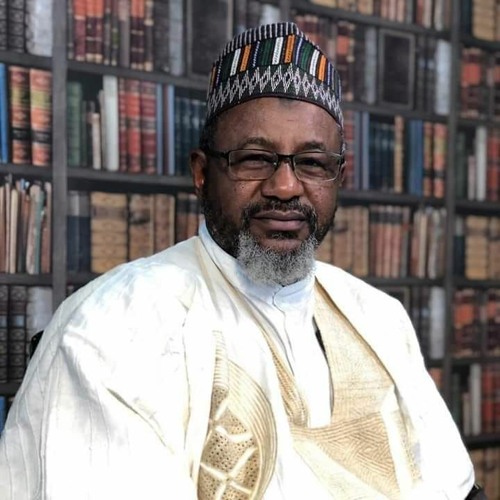
Dr. Bashir Aliyu Umar was the second teacher whose tafsir I did not miss not only this year’s Ramadan but also many years ago. I had the privilege of attending the tafsir personally several times, which was conducted at Al-Furqān Mosque at GRA, Kano before I left Nigeria five years ago. Dr. Bashir’s erudition and dexterity in addressing contemporary issues that were paraded to him while using sophisticated jurisprudential techniques are enough credentials to attract listeners and students like me.
Additionally, I personally cherished the tafsir session because whenever I heard Malam Sa’idu Harun, the recitation assistant (mai jan baki), it reminded me of Shaykh Ja’far’s tafsir which always proved unique with the recitation of Malam Sa’idu. Dr Bashir’s tafsir would appeal to intellectuals and listeners with a background in Western education.
Dr Bashir explained verses which mention scientific and universal phenomena excellently and more lucidly. Atheists would find the correct answers to many of their questions and clear up many misconceptions through the exegetical exercises undertaken by Dr Bashir. Drawing on a view of the late Shaykh Isa Waziri on a similar issue, Dr. Bashir, in one of his tafsir sessions, argued that Nigerians are likely robbed of divine bounties similar to what befell the inhabitants of Saba’.
Dr Bashir is an extraordinarily easygoing and calm person, so much so that at times, he allowed his recitation assistant to decide which question he would respond to either due to its substance or when there was no time and the recitation assistant was eager to fill the venue with his sonorous voice.
I was surprised, however, when during the closing session of this year’s tafsir on the 28th day of Ramadan, Dr Bashir refused to answer a question about the legal status of bleaching in Islam, which, according to the questioner, has been said to be lawful by some scholars. Dr Bashir’s refusal to respond to the question elicited the interest of the audience to unanimously thundered “Allahu Akbar”, which left a suggestion that the answer to the question was well known to everyone and it might have just been posed to trigger needless, belated controversy. Unlike many scholars, Dr Bashir does not bother to ask new converts if they were forced or they willingly chose and decided to embrace Islam.
One of the unique episodes with which Dr Bashir’s final tafsir has been characterised for some years is the courtesy visit of his nonagenarian father to bless the occasion and, at times, make sobering reflections on some of the clerical trajectories of his scholar-son. To my knowledge, only Dr Bashir is continuously lucky to have his aged and royal figure father appear during his tafsir and publicly endorse his son’s venture.
Isma’il writes from Rabat and is reachable via ismailiiit18@gmail.com.
The kind of Dr, Bashir are rare he is very knowledgeable & understanding scholar who’s always prepared the matter would help community than unimportant matters we Almighty to be his strength and give us his kinds in our society
The kind of Dr, Bashir are rare he is very knowledgeable & understanding scholar who’s always prepared the matter that would help community than unimportant matters we pray Almighty to be his strength and give us many of his kinds in our society