
By Ladi Ibrahim
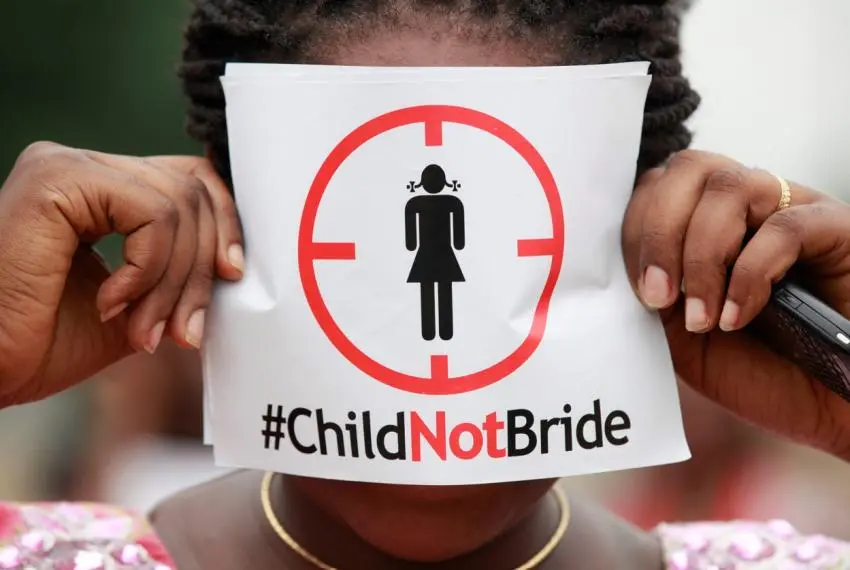
Early marriage, also known as child marriage, remains a persistent issue in Nigeria, where cultural traditions, poverty, and limited access to education contribute to this harmful practice. Despite significant progress made in addressing child marriage globally, Nigeria still grapples with high rates of early marriage, adversely affecting the lives of countless young girls. This article aims to illuminate the causes, consequences, and potential solutions to this deeply rooted societal problem.
Several factors contribute to the prevalence of early marriage in Nigeria. Cultural norms and traditions play a pivotal role, with many communities believing that marrying off their daughters at a young age protects their honour and ensures their future safety. Poverty is another critical factor, as families with limited resources may see marrying their daughters off early as an economic relief or an attempt to secure a better life for them.
Furthermore, lack of access to quality education, especially for girls, perpetuates the cycle of early marriage. Limited educational opportunities deprive young girls of the chance to develop essential skills, pursue independent livelihoods, and gain awareness about their rights. Additionally, prevailing gender inequalities and discrimination further exacerbate the problem, limiting gender equality and social progress.
Early marriage has detrimental effects on the physical, mental, and emotional well-being of young girls. Firstly, it exposes them to serious health risks, as their bodies are often not fully developed to bear children, resulting in complications during pregnancy and childbirth. Early marriage also robs girls of their right to education, denying them the chance to reach their full potential and contribute meaningfully to society.
Moreover, young brides often face economic hardships, lacking the necessary skills or education to secure stable employment. This perpetuates the cycle of poverty, subsequently affecting future generations. Early marriage is also linked to a higher incidence of domestic violence, mental health issues, and limited decision-making power for girls and women within their households.
Addressing the issue of early marriage in Nigeria requires a holistic approach that involves multiple stakeholders, including the government, civil society organisations, religious leaders, and communities.
Enhancing access to quality education, particularly for girls, is pivotal to breaking the cycle of early marriage. This can be achieved by providing scholarships, building schools closer to rural communities, and promoting educational campaigns focused on child rights and gender equality.
Strengthening existing laws that criminalise child marriage is essential, accompanied by strict enforcement mechanisms to hold perpetrators accountable. Providing young girls with vocational training and economic opportunities can dismantle the economic rationale behind early marriage. Such initiatives can help them gain financial independence and empower them to make informed choices.
Collaborating with religious and community leaders to change social norms and customs that perpetuate early marriage is crucial. Obtaining their support and involvement is vital for building awareness and changing mindsets.
Expanding healthcare facilities and services in rural areas, specifically aimed at addressing the unique needs of young brides, can contribute to reducing the health risks associated with early pregnancy and childbirth.
Early marriage continues to be a significant challenge in Nigeria, depriving countless young girls of their rights and potential. By addressing the root causes of this practice through education, legal reforms, economic empowerment, community engagement, and access to healthcare, Nigeria can pave the way for a brighter future for its girls. Efforts to end early marriage require synergy, collaboration, and a relentless commitment to ensuring that every child in Nigeria has the opportunity to grow, thrive, and determine their destiny.
Ladi Ibrahim wrote from the Department of Mass Communication, University of Maiduguri.