By Rabi Ummi Umar
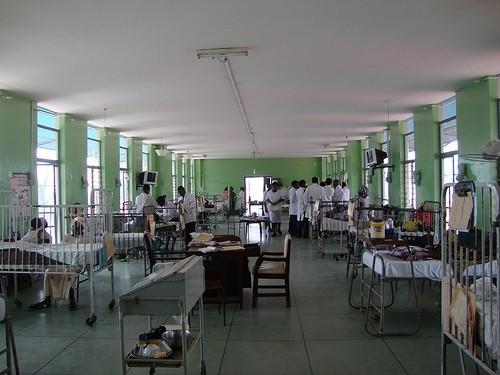
The Nigerian healthcare system is often dismissed because of the unenviable reputation it has built over decades of systemic failure. It is a common refrain across the country that citizens simply do not trust the medical institutions meant to save them.
For those who can afford it, the immediate solution to a serious diagnosis is to board a flight out of the country, seeking medical treatment abroad where systems are functional.
And for the rest of the population, walking into a local hospital is less an exercise in hope and more an act of desperate survival, frequently marred by anxiety about what might happen inside.
Personal encounters with our healthcare infrastructure often leave deep scars. I often find myself silently whispering, ‘I pray nobody has to experience this.’ Sadly, too many Nigerians have stories of facing decaying infrastructure, enduring the dismissive or outright rude attitudes of overworked nurses, or being left unattended in crowded corridors.
Perhaps the most heartbreaking reality is the ubiquitous ‘payment before service’ policy. In moments when a patient is actively battling for their life, a life that is irreplaceable, the administrative unit, or hospital policy, prioritises financial clearance over immediate clinical intervention.
This, in my opinion, is an ethical failure that leaves families helpless and hollows out the core purpose of medicine. It undermines the very principles of the Hippocratic Oath and the Nightingale Pledge that doctors and nurses take before practising.
This crisis of confidence in our healthcare system was perfectly articulated at a recent book unveiling I attended at the Yar’Adua Centre in the Federal Capital Territory, Abuja.
The book, Trust Renewal: The Integrity Call for Better Health for All, authored by Dr Abdullahi Jubril Mohammed, offers a resonant critique of our current trajectory. During the launch, he stated an earnest truth too often overlooked: health systems do not succeed merely because of advanced technology or concrete infrastructure. Instead, they succeed or fail along the patient’s path based on a single, invisible metric — trust.
When trust is absent, the entire system fractures. Even when medical facilities receive structural upgrades or well-funded international aid, these interventions fail to achieve their potential because the human connection between provider and patient has been broken.
Patients seek treatment abroad not just for better machines, but because they believe unsafe practices thrive in an environment devoid of accountability, and that the workers within that environment have grown numb to human suffering. To change this narrative, the Nigerian healthcare system must be consciously rebuilt on a foundation of ethical, accountable behaviour.
Renewing this trust requires a collaborative effort from policymakers, healthcare providers, civil society, and patients themselves. Medical institutions must actively promote transparency, especially concerning service delays, and prioritise patient feedback as a tool for institutional growth rather than dismissing it as mere complaining.
Practitioners need to understand that listening to a patient’s experience is just as vital as reading their clinical charts.
Building a better health system requires moving beyond physical structures and investing heavily in the integrity of the care provided. Only when patients feel safe, valued, and heard can we begin to heal the system itself.
Rabi Ummi Umar is a writer in Abuja, and she can be reached via rabiumar058@gmail.com.