By Sabiu Abdullahi
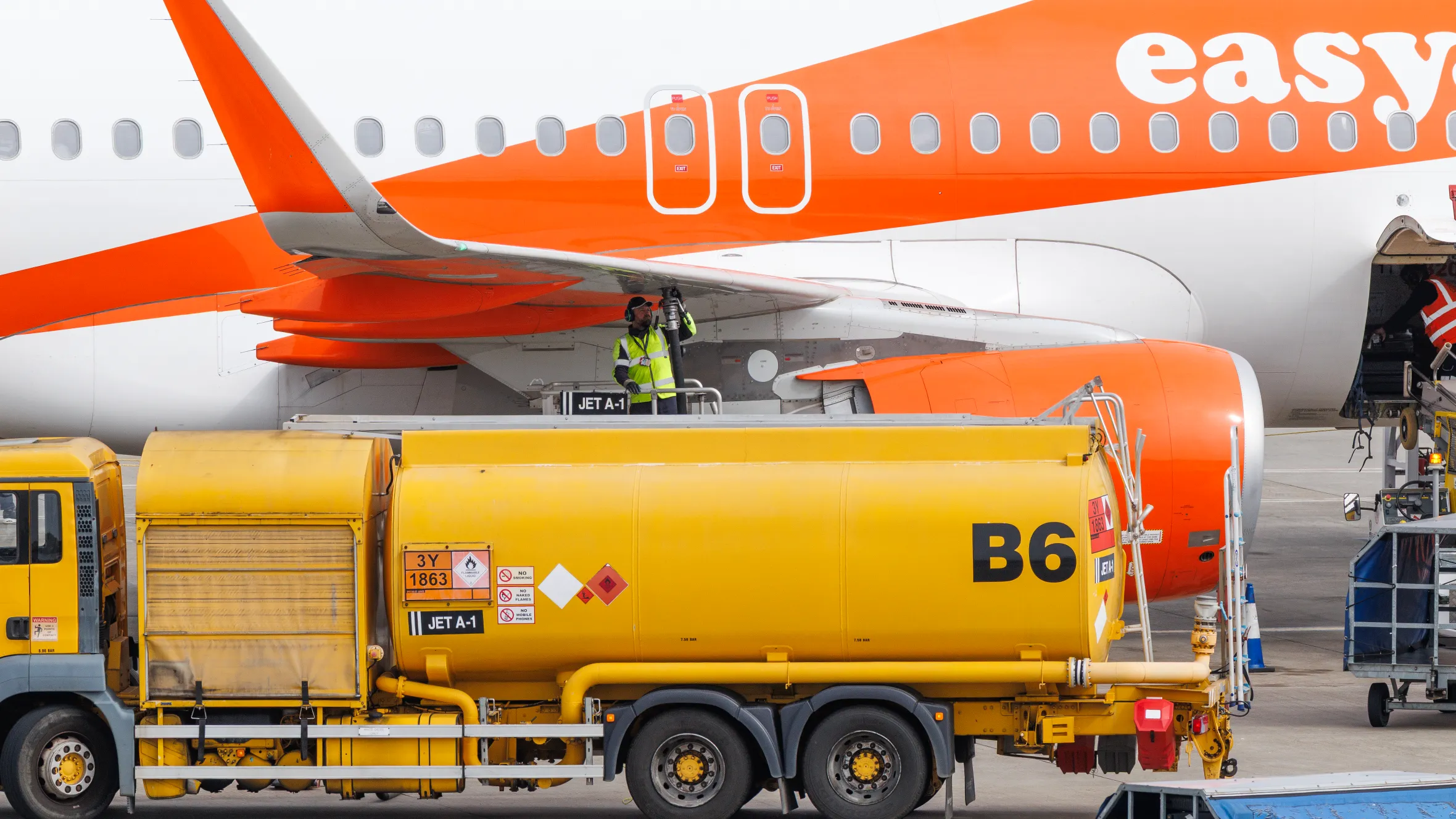
Air travel in Nigeria is facing serious disruption as the shortage of aviation fuel, known as Jet A1, continues to affect flight operations nationwide. Passengers across major airports are experiencing delays, rescheduling, and, in some cases, last-minute cancellations.
Airlines say the persistent scarcity of fuel has made it difficult to keep to planned schedules. The situation has intensified in recent days, leaving many travellers stranded and forcing others to change their travel arrangements.
Industry operators revealed that the cost of Jet A1 has risen sharply by more than 300 per cent since the onset of the US-Israel conflict involving Iran and the closure of the Strait of Hormuz, a key global fuel supply route.
The Airline Operators of Nigeria (AON) had earlier planned to suspend operations over the crisis. However, the federal government intervened and urged them to hold off while discussions with stakeholders took place. Meetings were held with aviation authorities and oil marketers last week, but no immediate solution has been reached.
One outcome from the talks was a 30 per cent discount on debts owed by airlines to service providers. Airlines, however, are pushing for a full waiver of their debts to agencies such as the Federal Airports Authority of Nigeria (FAAN), the Nigeria Civil Aviation Authority (NCAA), and the Nigerian Airspace Management Agency (NAMA).
Despite these efforts, the rising cost and scarcity of fuel continue to strain airline operations. At airports in Lagos, Abuja, and other major routes, passengers now face long waiting hours with little information about departure times. Some travellers report that their flights were rescheduled multiple times within a single day.
There are also claims on social media that at least one airline issued boarding passes despite being aware of fuel shortages. Meanwhile, some carriers have begun reducing the number of flights on certain routes to manage limited resources. Air Peace, for example, has cut its London-Heathrow service to three weekly flights.
Concerns are growing that the aviation sector may face deeper challenges if urgent steps are not taken to stabilise fuel supply.
In a related development, flight operations by local airlines may face further disruption as ground handling companies threaten to withdraw their services over unpaid debts exceeding N9 billion.
The Aviation Ground Handlers Association of Nigeria (AGHAN) issued a seven-day ultimatum to airlines. The group warned that its members could suspend operations from Tuesday, April 28, 2026, if the debts remain unsettled.
Ground handling firms provide essential services such as passenger check-in, baggage handling, and ramp operations. Key companies include Skyway Handling Company (SAHCO) Plc, Nigerian Aviation Handling Company (NAHCO) Plc, and others.
In a letter dated April 21, 2026, and addressed to the AON, AGHAN stated: “This situation has continued to exert significant pressure on the operational capacity of our members, adversely affecting their ability to deliver sustainable, efficient and safe services. It has also created considerable financial strain on the management and workforce of the affected organizations.
“Despite repeated engagements and efforts made in good faith by our members to secure settlement of these obligations, the responses received thus far have not yielded the desired outcomes, with payment commitments largely unmet.
“In light of the foregoing, and to safeguard the continued viability of our members’ operations, we wish to respectfully notify you that our members may be constrained to withdraw services should these outstanding debts remain unresolved within seven days from the date of this letter.”
The association also apologised to passengers for any inconvenience and expressed hope for an amicable resolution.