By Sabiu Abdullahi
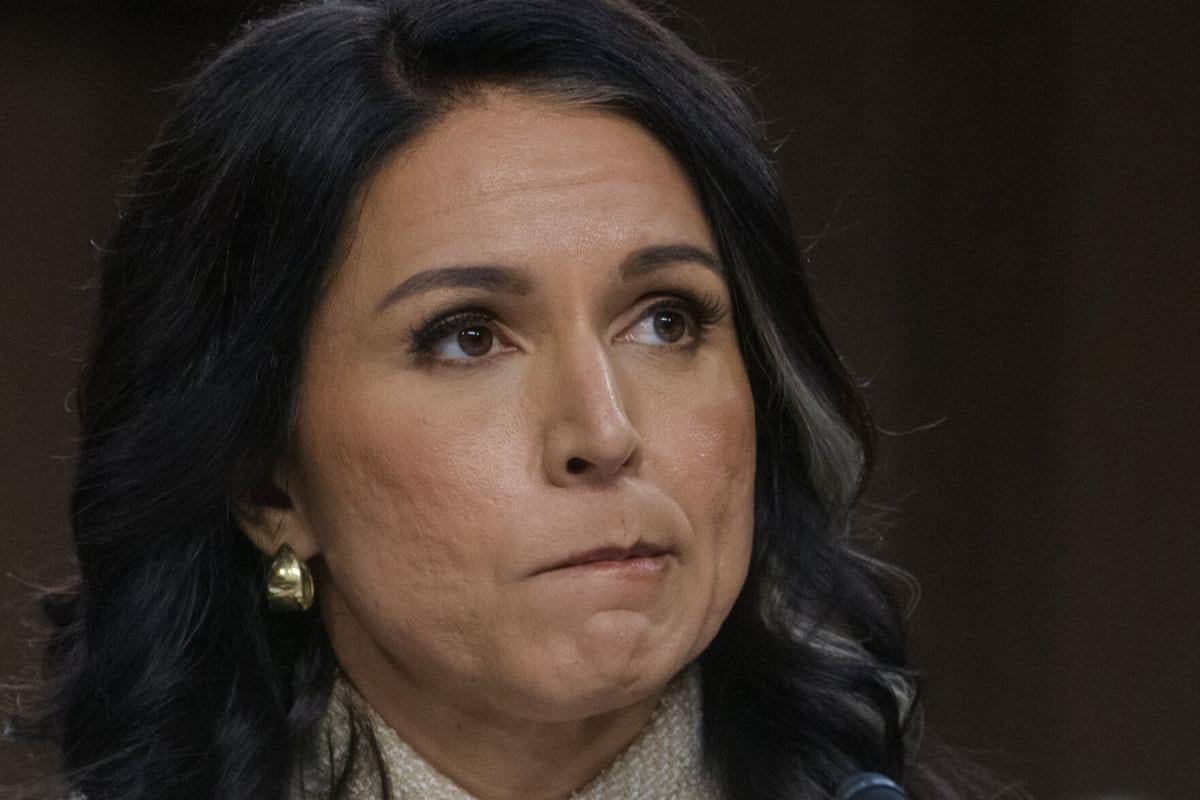
The United States Director of National Intelligence, Tulsi Gabbard, has stated that Iran did not present an active nuclear threat at the time American forces carried out strikes on the country.
Her position challenges a key reason advanced by former President Donald Trump for the military action. Mr Trump had cited what he described as an imminent danger from Iran.
In written testimony submitted to the Senate intelligence committee, Ms Gabbard said Iran had not taken steps to rebuild its nuclear programme after it was damaged in a joint US-Israeli operation in June 2025.
“As a result of Operation Midnight Hammer, Iran’s nuclear enrichment program was obliterated. There have been no efforts since then to try to rebuild their enrichment capability,” Ms Gabbard said in the testimony to the Senate intelligence committee.
However, she did not include this conclusion in her oral presentation to lawmakers. When questioned by a Democratic senator, she explained that time constraints prevented her from presenting the full contents of her written submission. She did not dispute the findings.
Mr Trump has repeatedly defended the strikes, insisting they were necessary due to an “imminent threat” from Iran. After the operation in June 2025, he said US forces had “obliterated” Iranian nuclear facilities. He later claimed the country was only weeks away from producing a nuclear weapon.
Many analysts have disagreed with that assessment. Their views also contrast with ongoing diplomatic efforts aimed at restoring a nuclear agreement with Tehran.
During her remarks to senators, Ms Gabbard acknowledged that recent attacks had significantly weakened Iran. She referenced major developments, including the killing of former supreme leader Ali Khamenei. Despite this, she maintained that the country’s government structures were still functioning.
Earlier in her political career as a congresswoman, Ms Gabbard had opposed military action against Iran.
Meanwhile, Joe Kent, a senior aide to Ms Gabbard, resigned earlier this week. He argued there was no “imminent threat” from Iran. Mr Kent, who previously served as a counterterrorism director, alleged that he and other officials were not given the opportunity to present their concerns to Mr Trump.
Mr Trump dismissed the criticism. He said he had always considered Mr Kent “weak on security” and added that individuals who did not see Iran as a threat had no place in his administration.
Reports on Thursday indicated that the FBI has opened an investigation into Mr Kent over claims that he disclosed classified information.
In an interview with commentator Tucker Carlson, Mr Kent said key officials were excluded from the decision-making process that led to the strikes.
“A good deal of key decision makers were not allowed to come and express their opinion to the president,” he told Mr Carlson.
“There wasn’t a robust debate,” he said in the interview.
He also supported Ms Gabbard’s earlier assessment on Iran’s nuclear capability.
“No. They weren’t three weeks ago when this started, and they weren’t in June either,” he said, referring to claims that Iran was close to building nuclear weapons.
Mr Kent further alleged that Israeli Prime Minister Benjamin Netanyahu and other officials lobbied Mr Trump directly, often relying on information that had not been verified by US intelligence.
“When we would hear what they were saying, it didn’t reflect intelligence channels,” Mr Kent said.
He also recounted a conversation with conservative activist Charlie Kirk before his death, stating: “He looked me in the eye and said, ‘Joe, stop us from getting into a war with Iran’.”
Mr Kent went on to suggest, without providing evidence, that Israel may have been involved in Mr Kirk’s death. His remarks, along with claims about an “Israeli lobby” influencing US policy, have attracted criticism from several groups who described the statements as anti-Semitic.