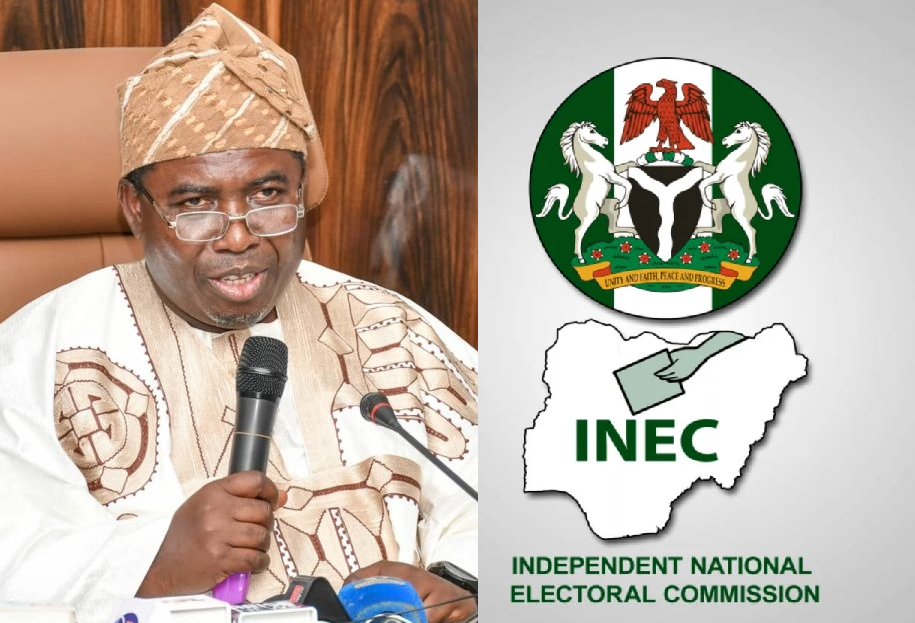
Public reactions have continued to trail the decision to fix Nigeria’s 2027 general elections within the holy month of Ramadan, with commentators and political figures raising concerns about possible implications for voter participation.
A Facebook user, Ibrahim A. Khaleel, was among the early voices to criticize the development. In a widely shared post, he questioned the rationale behind scheduling the elections during the fasting period, arguing that leaders who genuinely prioritize nation-building would have avoided such timing.
> “If our politicians were sincere and truly had nation-building at heart, the INEC Chairman, Professor Amupitan, would have been greatly surprised. Why then fix the 2027 election in the month of Ramadan?”
He stressed that fasting should not prevent civic engagement, citing Islamic history.
> “Fasting is not a death sentence. Muslims even fought the Battle of Badr in the month of Ramadan in the 2nd year after Hijrah (2 AH). So what is a democratic election where people only have to stand in line?”
Khaleel, however, suggested that economic hardship and public distrust in leadership could discourage turnout, alleging that inducements have often influenced voter mobilization.
“Even pasta and seasoning cubes would have to be very convincing to bring the masses out to vote. If one bag of pasta brought Mr. ‘Raw Material’ to the voting line in 2023, then it will have to be doubled now. At least two bags, with two packs of seasoning cubes added. Maybe that will motivate Mr. ‘Raw Material,’ the friend of Nigerian Democrats!”
He also drew parallels with Muslims in conflict zones, arguing that faith and perseverance endure despite hardship.
“Have Muslims in Gaza not been facing killings since October 7, 2023? They have observed Ramadan twice in the midst of this unjust war, yet they did not lose hope and they did not give up. So why should we fail to come out and vote?”
Adding to the discussion, former presidential aide Bashir Ahmad issued a formal public appeal to Independent National Electoral Commission (INEC), urging the electoral body to reconsider the dates.
In his statement, Ahmad acknowledged the announcement of February 20 and March 6, 2027, for the Presidential/National Assembly and Governorship/State Assembly elections respectively, but noted the religious significance of the period.
“This is a respectful observation following the announcement of February 20th and March 6th, 2027, as the date for the next Presidential and National Assembly and Governorship and State Assembly elections respectively. The proposed dates fall within the holy month of Ramadan, a period during which many Muslims devote significant time to fasting, prayer, and spiritual reflection.”
He warned that the timing could pose participation challenges for Muslim voters.
“If the intention is to encourage full and inclusive participation in the electoral process, scheduling such a critical national exercise during Ramadan may present challenges for a large segment of the population. Many Muslims tend to reduce engagement in demanding worldly activities during this period in order to focus on religious obligations.”
Ahmad further urged electoral authorities to weigh inclusiveness in their considerations.
“Given the significant Muslim population in this country, it may be worthwhile to reconsider the timing to ensure broader participation and convenience for all citizens. I do hope this observation will be taken in the spirit of inclusiveness and national cohesion.”
The debate continues to generate mixed reactions across social media and political circles, with some Nigerians supporting a review of the dates for inclusivity, while others insist that religious observance should not hinder democratic participation.
INEC under fire for slating 2027 general elections to hold during Ramadan

ByAdmin
13 February 2026