
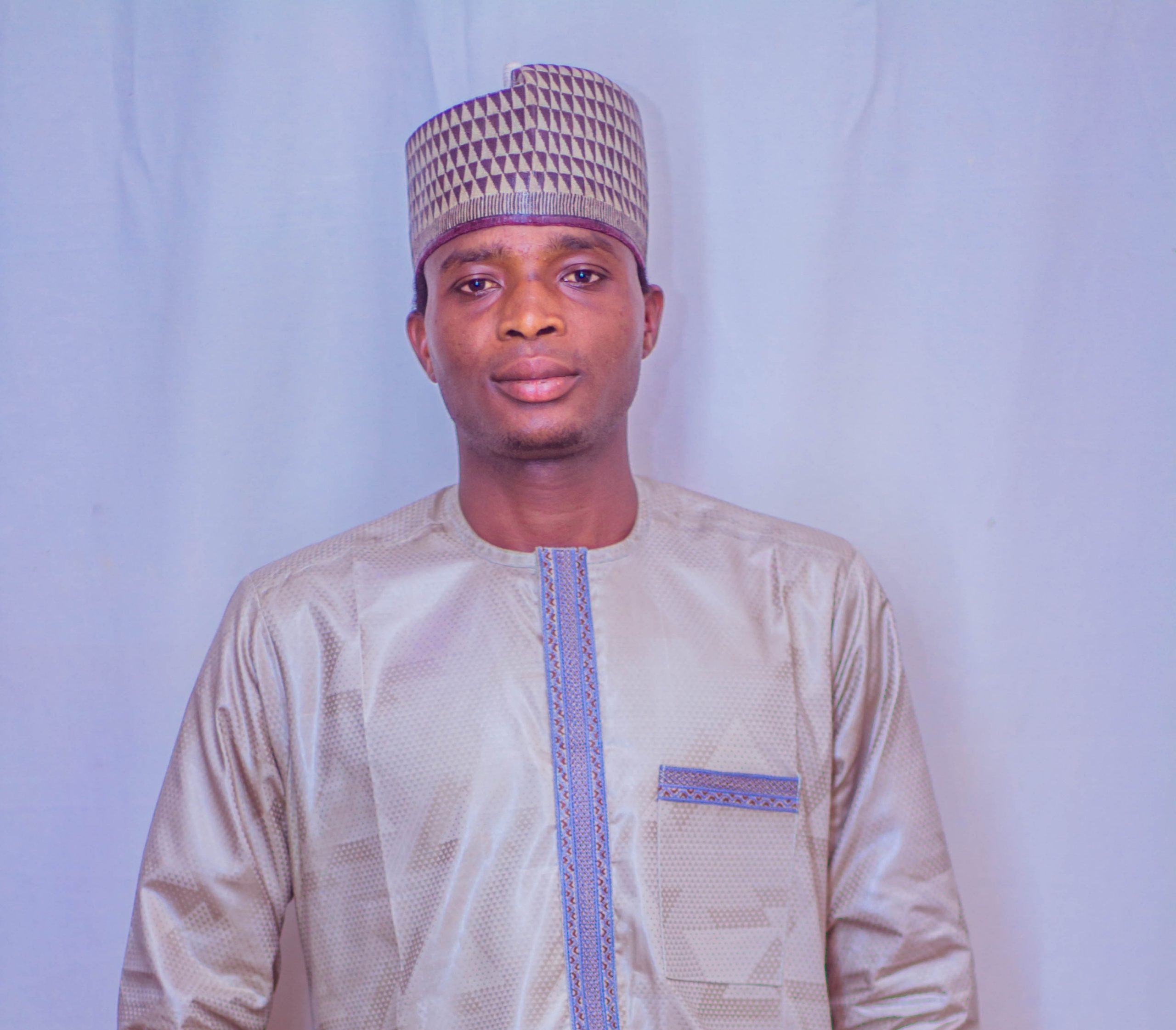
By Ahmed Usman
The global economic order is no longer merely under strain; it is fragmenting in ways that are particularly costly for countries like Nigeria and much of the Global South. Across continents, economic anxiety is feeding political instability, geopolitics is reshaping markets, and institutions once designed to stabilise the world are struggling to remain relevant. What we are witnessing is not a temporary downturn or a cyclical adjustment, but a deeper structural breakdown, driven by forces once assumed to guarantee global stability. For many emerging and developing economies, this moment is not just about global disorder; it is about survival within it.
Global economic power is shifting rapidly. Liberal market-oriented democracies are facing unprecedented domestic turmoil, and the deep integration of trade and finance that defined recent decades is steadily unravelling. From supply-chain fragmentation to trade wars, sanctions, and tariff escalation, the global economy is retreating from openness toward fragmentation. The question is no longer whether the post–World War II economic order is weakening, but how it reached this point and what, if anything, can replace it.
Ironically, the very country long believed to anchor global stability is now fueling its destabilisation. Globalisation was supposed to spread prosperity, deepen interdependence, and reduce the likelihood of conflict. Instead, it has widened inequality within countries, eroded the middle class in developing economies, and concentrated gains among a narrow elite. These imbalances have stoked political backlash, empowered populist movements in developed economies, and turned trade into a political weapon rather than a shared economic good.
This shift became unmistakable during the Trump administration, when tariffs, once viewed as relics of a protectionist past, returned to the centre of global economic policy. The imposition of broad tariffs on China and other trading partners signalled a decisive break from the rules-based trade order. What began as “America First” protectionism quickly reshaped global behaviour, legitimising unilateral trade actions, encouraging retaliation, and accelerating the erosion of multilateral discipline. Trade policy, once anchored in cooperation, became openly confrontational, and the precedent has proven difficult to reverse.
Nowhere is this erosion more evident than in the weakening of trust in liberal democracies themselves. Economic dislocation has bred social resentment. In developing countries, repeated external shocks such as oil price shocks, global interest rate hikes, and pandemic disruptions have led to inflation, currency depreciation, and shrinking real incomes. Rising living costs, youth unemployment, and fiscal austerity have weakened trust in democratic institutions and fueled social unrest.
Domestic politics, in turn, have become more constrained, limiting the policy space needed to pursue long-term development strategies. Political polarisation has weakened governments’ ability to sustain coherent economic policies. As domestic politics grows more volatile, foreign economic policy becomes reactive and confrontational. Trade barriers rise, industrial policy replaces market openness, and economic nationalism becomes a political necessity rather than an exception in many Western countries.
At the same time, the global institutions meant to manage these tensions have failed to evolve. The International Monetary Fund, the World Bank, and the World Trade Organisation, the cornerstones of the post–World War II economic architecture, were designed for a world dominated by a small group of advanced economies. Today, they struggle to respond to capital-flow volatility, technological disruption, climate risk, and the growing power of emerging markets. Their rules remain largely intact, but their legitimacy and effectiveness are increasingly questioned. Their frameworks are still anchored in assumptions that often underestimate social costs in developing countries. Conditionality, delayed financing, and inadequate attention to inequality and structural transformation have weakened their credibility across the Global South. The World Trade Organisation, meanwhile, has struggled to prevent powerful economies from bending trade rules in their favour through subsidies, tariffs, and industrial policy practices that have become more entrenched since the normalisation of tariff-based trade conflict under Trump.
For a time, the rise of emerging markets such as India, Brazil, Nigeria, and Turkey seemed to promise a more balanced and stable multipolar world. These nations benefited from globalisation without fully aligning with any single power bloc, acting as bridges between North and South, East and West. But today, that space is narrowing. Intensifying rivalry between the United States and China has turned trade, technology, finance, development assistance, and even currency choices into tools of geopolitical competition, forcing emerging market economies to pick sides in a contest they did not create.
For countries like Nigeria, this strategic squeeze is especially critical. Dependence on imported technology, foreign capital, and external energy markets makes neutrality costly. Sanctions regimes, supply-chain fragmentation, tariff escalation, and financial market volatility now transmit geopolitical tensions directly into domestic inflation, exchange rates, and public finances. What appears as global disorder at the international level is experienced as household hardship at home.
What emerges from this landscape is a destructive feedback loop between economics, domestic politics, and geopolitics. Economic shocks fuel political instability; political instability drives inward-looking policies; those policies heighten geopolitical tensions; and geopolitical tensions, in turn, further destabilise the global economy. Each turn of the loop reinforces the next, making disorder self-perpetuating.
This is why familiar prescriptions no longer suffice. Calls for more trade liberalisation, fiscal discipline, or institutional reform are not wrong, but are no longer enough. The world has changed too profoundly. Technology is reshaping labour markets faster than institutions can respond. Climate change is imposing costs that markets alone cannot price. Capital moves instantly, while political accountability remains national. Old solutions were built for a slower, more predictable world.
Breaking out of this cycle requires abandoning the comforting illusion that existing global arrangements will eventually self-correct. Calls for more liberalisation, deeper financial integration, or stricter fiscal discipline ignore the lived realities of developing economies. The old playbook was written for a world of expanding trade, cheap capital, and geopolitical cooperation. That world no longer exists.
What is needed instead is a fundamentally new approach. For Nigeria and the Global South, this means redefining integration on terms that prioritise resilience over efficiency. It means reforming global financial institutions to provide faster, more flexible support during shocks. It means investing in domestic productive capacity, regional trade, and human capital rather than relying on volatile external demand. And it means recognising that economic policy must be politically sustainable to endure.
The global economy is spiralling into disorder, not because globalisation failed entirely, but because it evolved without fairness, adaptability, or legitimacy. For countries like Nigeria, the stakes could not be higher. Remaining trapped in the doom loop will deepen vulnerability. Escaping it demands new thinking, new institutions, and a development model rooted in resilience rather than dependency.
The future of the Global South will not be secured by waiting for the old order to return. It will be shaped by how boldly countries confront the reality that the old solutions can no longer solve today’s problems.
The world is not spiralling into disorder by accident. It is doing so because the systems governing it have failed to adapt. Recognising this is the first step. The harder task of building a new framework for global cooperation in an age of rivalry, inequality, and uncertainty is now unavoidable.
The choice ahead is unambiguous: continue circling the doom loop, or accept that the old economic order cannot save us and begin the difficult work of inventing something new.