
BY Nazeer Baba Abdullahi
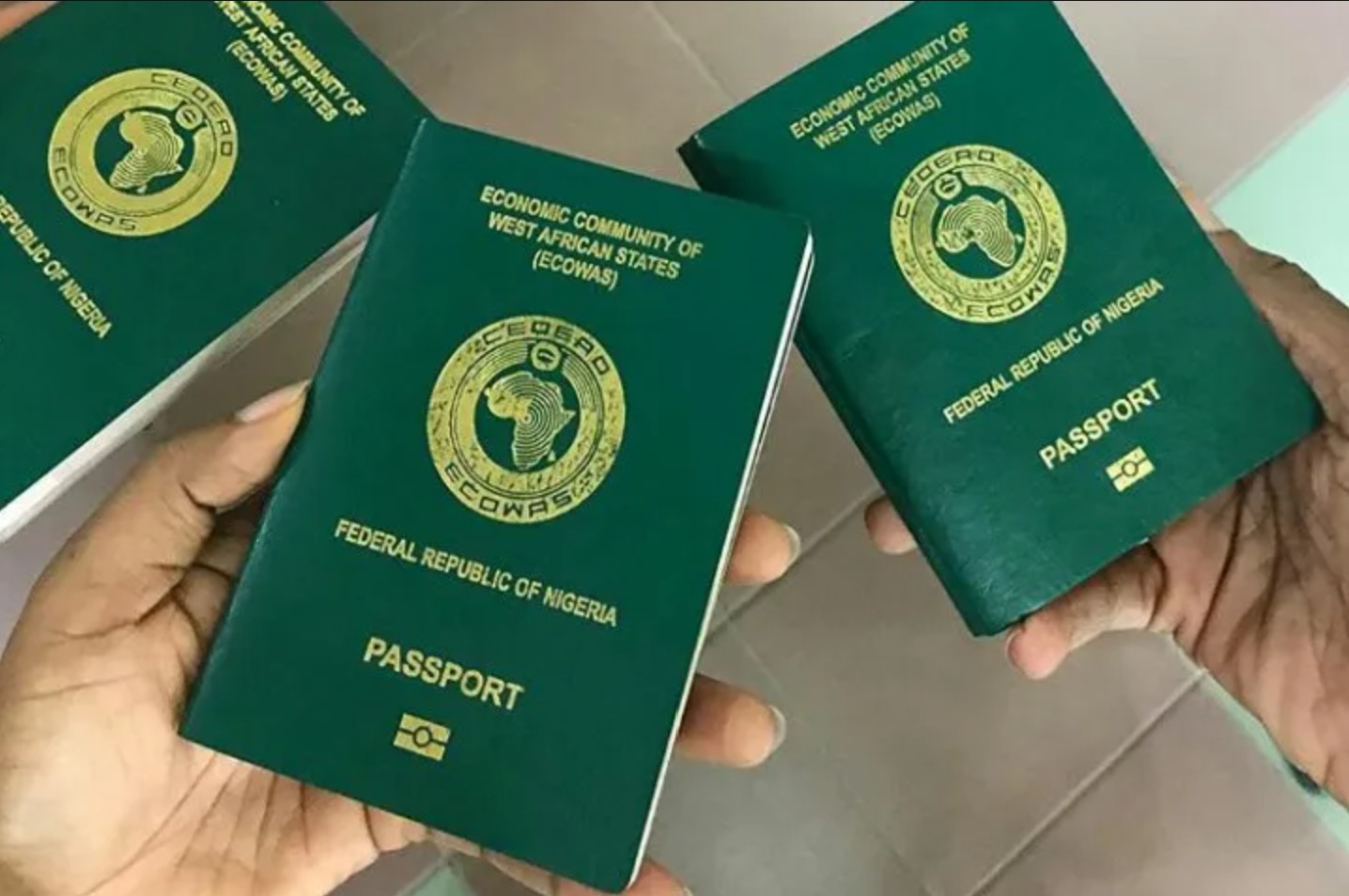
Imagine holding a Nigerian passport, symbolising pride, identity, and opportunity. However, effective September 1, 2025, the fee doubles from ₦50,000 to ₦100,000 for the 32-page version and from ₦200,000 to ₦ 400,000 for the 64-page version. This isn’t just an administrative change; it breaches the social contract.
Converting a basic identity document into an expensive luxury creates a two-tiered citizenship system, penalising ordinary Nigerians and restricting access to opportunities. A passport is a right of citizenship, like the free National ID and voter’s card, not a privilege for the wealthy. Why should a global identity extend to a commodity?
The typical justification of ‘cost recovery’ is invalid. Essential state services should be subsidised to ensure equal access, not turned into profit centres at the people’s expense. This is especially true amid Nigeria’s economic struggles with inflation, unemployment, and rising costs. The new ₦100,000 passport costs more than the ₦70,000 minimum wage, making it unaffordable for a civil servant’s monthly salary. When a passport exceeds one month’s earnings, citizenship access is effectively priced out. This isn’t governance, but punishment. Officials say the hike maintains quality and integrity, but Nigerians only want access to a valid ID, not luxury features. Raising fees without service improvements monetises desperation. Nigeria ranks 91st globally in terms of passports, highlighting the need to improve its international standing.
The irony becomes even more glaring when compared with the voter’s card. That document is distributed free of charge, delivered to electoral wards, and made as accessible as possible. The reason is simple: it benefits the political elite by ensuring mass participation in elections. The passport, however, offers no direct political benefit. Instead, it empowers citizens to seek opportunity abroad, to level themselves in mobility and access with the very elite who govern them. Empowerment is seen not as a service to the state, but as a threat. Your vote is free because they need you. Your passport is expensive because they fear you. This is not an accident of policy; it is a deliberate strategy of control. It reveals a government more concerned with revenue extraction than with service to its people.
A recent pattern shows the government increasing passport fees again after the August 2024 hike, indicating a trend of using vital documents for quick revenue rather than rights. Compared to neighbouring countries, Nigeria’s fees are disproportionately high. For example, a 34-page passport costs approximately ₦80,000 in Kenya, equivalent to a minimum wage of ₦ 15,000, and around ₦46,900 in Nigeria, both of which are less than the Nigerian cost. While Kenyans and Ghanaians with minimum wages can obtain passports in days or weeks, Nigerians face fees that exceed their monthly income, creating a severe financial burden.
The Nigerian passport should never be treated as a luxury item. It is a necessity in a globalised world and a symbol of national identity. To price it beyond the reach of ordinary citizens is to betray the very essence of governance, which is service, dignity, and protection of rights. What kind of nation are we building when we put a price tag on our citizens’ ability to seek a better life? What does patriotism mean if leaders measure it not by how they serve the vulnerable but by how much they can extract from them? Proper governance is not about profit; it is about fairness, opportunity, and respect for citizens.
Nazeer Baba Abdullahi wrote via babanazeer29@gmail.com.