
By Umar Sani Adamu
Poverty has far-reaching consequences on various aspects of society, including health, education, and social structure. Understanding these repercussions is crucial for addressing the root causes and developing effective strategies to alleviate poverty and its associated issues.
1. Health
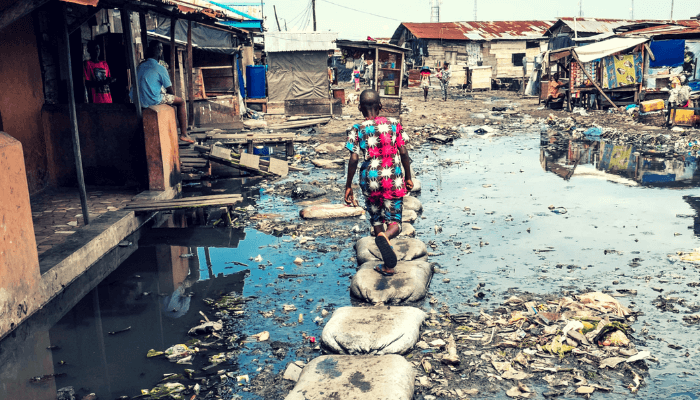
Poverty significantly impacts health outcomes. Limited access to nutritious food, clean water, and adequate healthcare services contributes to a higher prevalence of malnutrition, infectious diseases, and chronic conditions among the impoverished. Lack of resources often results in substandard living conditions, exposing individuals to environmental hazards. Additionally, stressors associated with financial insecurity can lead to mental health issues, further exacerbating the overall health burden.
2. Education
Poverty creates barriers to educational attainment. Families struggling with economic hardships may prioritise immediate needs over investing in education. Children from impoverished backgrounds often face challenges such as inadequate access to quality schools, resources, and educational support. Limited access to books, technology, and extracurricular activities hinders their development. As a result, the cycle of poverty continues, as these individuals may find it challenging to break free from their circumstances through education.
3. Social Structure
The social fabric of a community is intricately linked to economic well-being. Poverty can contribute to the fragmentation of social ties as individuals grapple with the stress and uncertainty of their circumstances. Communities with high poverty rates may experience increased social inequality and a lack of social cohesion. This can manifest as reduced community engagement, weakened support networks, and a diminished sense of belonging.
4. Crime
Poverty is often identified as a significant factor contributing to crime. Several mechanisms explain this relationship. Firstly, individuals in poverty may resort to criminal activities as a means of economic survival. Limited opportunities for legitimate employment can lead some to engage in illegal activities to meet basic needs. Additionally, impoverished communities may experience higher rates of substance abuse, which can further contribute to criminal behaviour.
Furthermore, the lack of access to quality education and limited social support in impoverished areas can result in a higher prevalence of delinquency. The frustration and hopelessness stemming from persistent poverty may lead individuals, particularly young people, towards criminal behaviour as an alternative to breaking free from their challenging circumstances.
Addressing the Link Between Poverty and Crime
A multi-faceted approach is necessary to mitigate poverty’s impact on crime. Policies to reduce poverty through economic empowerment, education, and healthcare access are crucial. Investments in education, vocational training, and job creation can provide individuals with opportunities to escape the cycle of poverty and reduce the likelihood of resorting to criminal activities.
Social support programs that strengthen community bonds, mental health services, and addiction rehabilitation can address some of the root causes of criminal behaviour associated with poverty. Additionally, targeted efforts to improve law enforcement-community relations and reduce systemic inequalities can contribute to crime prevention.
In conclusion, poverty has profound consequences on health, education, and social structure, with a direct link to increased crime rates. Breaking this cycle requires comprehensive strategies that address the systemic issues contributing to poverty and simultaneously provide individuals and communities with the tools and resources needed for positive transformation.
Umar Sani Adamu (Kawun Baba) wrote via umarhashidu1994@gmail.com.