By Uzair Adam
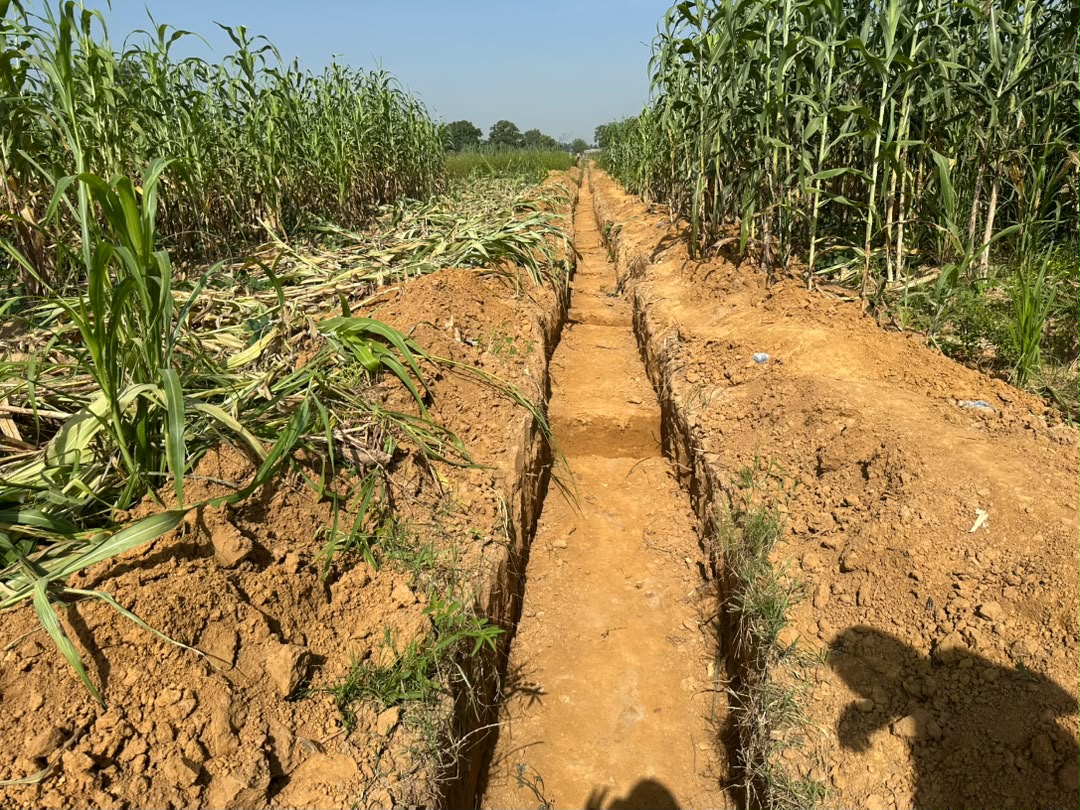
Residents of Kumbotso, Madobi and Dawakin Kudu local government areas of Kano State have accused the state government of destroying farmlands during ongoing fencing work on an industrial layout, alleging that officials continued the exercise despite a court order to suspend it.
The residents said the ongoing work had heightened concerns over an earlier land measurement dispute already before the court, while a proposed extension of the industrial layout into additional plots and residential areas had triggered fresh opposition from affected property owners.
Speaking on behalf of the affected residents, Alhaji Rabi’u Idris, a Kumbotso community leader and chairman of an elders’ committee advocating for landowners in the three local government areas, said the dispute had been pursued through legal channels for nearly four years.
Idris said residents were particularly concerned about the extension of the layout and the treatment of those opposing the exercise, insisting that their demand was for fairness and transparency in the handling of their properties.
He also alleged that crops, including rice, maize and beans, had been destroyed during the ongoing fencing activities, leaving farmers worried about the loss of their investments and livelihoods.
According to him, the dispute affects more than 15,000 people across the three local government areas, many of whom acquired land and invested their savings in the properties.
“Our complaint is not against the measurement itself, but the irregularities surrounding it. We are asking for justice,” Idris said.
He added that the residents had sought permission from relevant authorities before attempting to organise demonstrations, but abandoned an earlier plan after security officials advised against it.
Idris also expressed concern over the arrest of the chairman and secretary of a youth association following a protest in Tamburawa, insisting that the two leaders were not involved in the demonstration that preceded their arrest.
Another affected resident, Alhaji Adamu Malam, alleged that the original land measurement exercise was characterised by irregularities, claiming that some landowners received allocation documents covering fewer plots than those recorded in their names.
Malam said residents became more concerned when officials resumed work on the layout, with fencing activities continuing while the earlier dispute remained before the court.
He claimed that residents had obtained a court order directing the suspension of the exercise, alleging that officials who were shown the order maintained that it did not apply to them.
Malam called on the government to review the measurement and allocation process, arguing that landowners should be given clear information about the plots allocated to them and the portions retained by the government.
“What we want is for the measurement to be reviewed, even if the exercise must continue. Every landowner should be satisfied that they have been treated fairly,” he said.
He added that transparent communication about land allocations would help resolve the dispute and restore confidence among affected residents.
Similarly, Sadiku Magaji Bello, a youth leader in the area, said residents initially cooperated with the government but became concerned when the industrial layout was extended to additional plots and residential areas they believed were outside the original demarcation.
Bello alleged that armed security personnel accompanied officials of the Ministry of Land and Physical Planning when they resumed work on the extension.
He maintained that the extension had also become a subject of legal contention and appealed to the Kano State Government to address residents’ concerns before proceeding further.
“We gave the government 100 per cent cooperation at the beginning, but we later discovered that the exercise had been extended to areas belonging to ordinary residents,” he said.
Bello urged the state governor to intervene and ensure that the land exercise was conducted transparently and in accordance with the law.
He warned that failing to address the grievances could deepen frustration among residents in the affected communities.
However, the Kano State Government has defended its handling of the land exercise, maintaining that it has the legal authority to manage public land and would ensure fairness to affected parties.
The Director of Public Enlightenment at the Ministry of Land and Physical Planning, Murtala Shehu Umar, said the existence of a court case would not necessarily prevent the government from carrying out its responsibilities.
Umar said the government had engaged affected landowners and paid compensation where necessary, maintaining that the dispute over the extension was distinct from the original land measurement exercise.
“The government owns the land and has the authority to manage it. Going to court will not necessarily stop the progress of work,” he said.
He added that the government had held discussions with residents over the extension but that some individuals continued to resist the exercise.
Umar maintained that the original landowners had received their entitlements and were satisfied with the outcome, urging all parties to remain calm.
“Everyone should remain calm. The government will ensure that justice is done to everybody,” he said.
The affected residents, however, insist that their concerns extend beyond the original measurement exercise to the ongoing fencing, alleged destruction of farmlands and the proposed expansion into additional plots and residential properties.
They are calling for the government to address the allegations, respect applicable court directives and ensure a transparent resolution of the dispute that protects the interests of all parties.
Kano Communities Allege Crop Destruction, Govt Defiance of Court Order Amid Land Dispute

ByAdmin
18 October 2026