By Sabiu Abdullahi
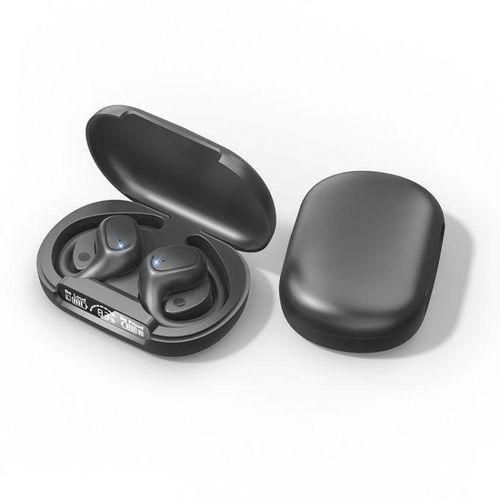
Regularly sleeping with earbuds in the ears may expose users to prolonged sound and increase the risk of hearing problems, ear infections and excessive earwax accumulation, ear, nose and throat specialists have warned.
The experts said the risk could become greater when earbuds are used at high volume or left in the ears for several hours. They explained that wearing the devices throughout the night denies the ears the breaks needed between periods of sound exposure.
Apart from prolonged noise exposure, keeping earbuds inside the ear canal for extended periods may trap moisture and disrupt the natural movement of earwax. According to the specialists, these conditions could contribute to infections and other ear-related problems.
The World Health Organisation has warned that hearing damage is influenced by the volume, duration and frequency of exposure to sound. Prolonged exposure to loud noise may initially result in temporary hearing loss or tinnitus, while repeated or continuous exposure can cause permanent damage to sensory cells and structures within the inner ear.
The WHO estimates that more than one billion people between the ages of 12 and 35 are at risk of hearing loss due to unsafe recreational exposure to loud sounds, including those produced by personal audio devices. It recommends keeping audio volume below 60 per cent of the maximum level and taking regular breaks.
Nigeria also faces a significant hearing-loss burden, with a WHO regional report estimating the prevalence of disabling hearing loss in the country at 6.7 per cent. The report lists impacted earwax, chronic otitis media and age-related hearing loss among major causes.
Findings from a Nigerian study involving 272 people who regularly used headphones and earphones showed that 17.6 per cent of the users had hearing loss, compared with 7.4 per cent among an equal number of non-users. The researchers found that most cases among the users were mild, affected both ears and involved sensorineural hearing loss, with high-frequency hearing particularly affected.
A Specialist Ear, Nose and Throat Surgeon at the National Ear Care Centre, Kaduna, Dr Mustapha Lawal, said the impact of prolonged earphone use depended largely on the loudness of the sound and the duration of exposure.
Lawal told PUNCH Healthwise that warning signs could emerge before permanent hearing damage occurs, including tinnitus, dizziness and unusual sensations in the ear.
“Long-term hearing loss; short-term, there will be some symptoms, like tinnitus, dizziness, and sensations in the ear,” Lawal explained.
He said prolonged exposure could first produce what is known as a temporary threshold shift, which causes hearing sensitivity to decline for a period.
According to him, the problem could develop even when the sound level was not particularly high if a person remained exposed for several hours.
“If the noise is not that loud, however, it is on for several hours,” Lawal stated.
The specialist stressed that allowing the ears to rest was important because continued exposure could turn temporary hearing changes into permanent damage.
“Once it has gone through what you call a permanent threshold shift, permanent threshold shift, then that one is irreversible,” Lawal stated.
He added that excessive exposure to noise could also affect concentration, communication and overall quality of life when hearing difficulties begin to interfere with daily activities.
A Professor of Ear, Nose and Throat and Head and Neck Surgery at the Federal University of Health Sciences, Otukpo, Benue State, Adoga Agida Samuel, also raised concerns about the physical effects of sleeping with earbuds.
Samuel explained that prolonged blockage of the ear canal could promote inflammation and infection. He added that some users might also develop reactions to materials used in the manufacture of earbuds.
Another concern, according to him, is the retention of earwax. He said accumulated wax could obstruct the ear canal and result in conductive hearing loss.
“Wax retention takes a while but becomes a problem because it builds up,” Samuel stated.
The professor further warned that exposure to sound above safe levels could temporarily reduce hearing ability and cause permanent damage when the exposure continued.
“Exposure of greater than 85dB over 8 hours has different effects. Some immediate injury, causing a temporary threshold shift,” Samuel stated.
He explained that continued exposure could eventually destroy the sensory hair cells responsible for hearing.
“Persistent or continuous exposure will cause oxidative injury; many chemicals will be released, leading to hair cell death and permanent hearing loss,” Samuel stated.
Samuel urged people who experience symptoms such as ear pain, severe itching, tinnitus or reduced hearing to seek medical attention rather than dismissing them.
He noted that some symptoms could point to an underlying ear infection.
“For infections, pain and severe itching may be fungus,” Samuel stated.
The professor advised people who use earbuds regularly to reduce their exposure and avoid wearing them while asleep.
“Moderate use of earbuds if it cannot be avoided. Sleep without them,” Samuel advised.
Experts therefore recommend regular breaks from earbuds and caution against sleeping with the devices, particularly when they are used at high volume or for prolonged periods.