
By Dahiru Kasimu Adamu
As part of its sustained commitment to reducing the high prevalence of Moderate Acute Malnutrition (MAM) in Sokoto State, the Nigerian Red Cross Society (NRCS), Sokoto State Branch, through the Malnutrition Emergency Appeal Programme (MEAP), continues to implement life-saving interventions across Sokoto North, Sokoto South, and Wamakko Divisions.
In a two-day intensive house-to-house screening exercise, trained volunteers used MUAC (Mid-Upper Arm Circumference) tapes to assess children aged 6–59 months and identify cases of malnutrition.
According to the Sokoto State Branch Communication and PMER Officer, Yahaya Ishaq, “This proactive approach ensures early detection and timely intervention for vulnerable children within the targeted communities.”
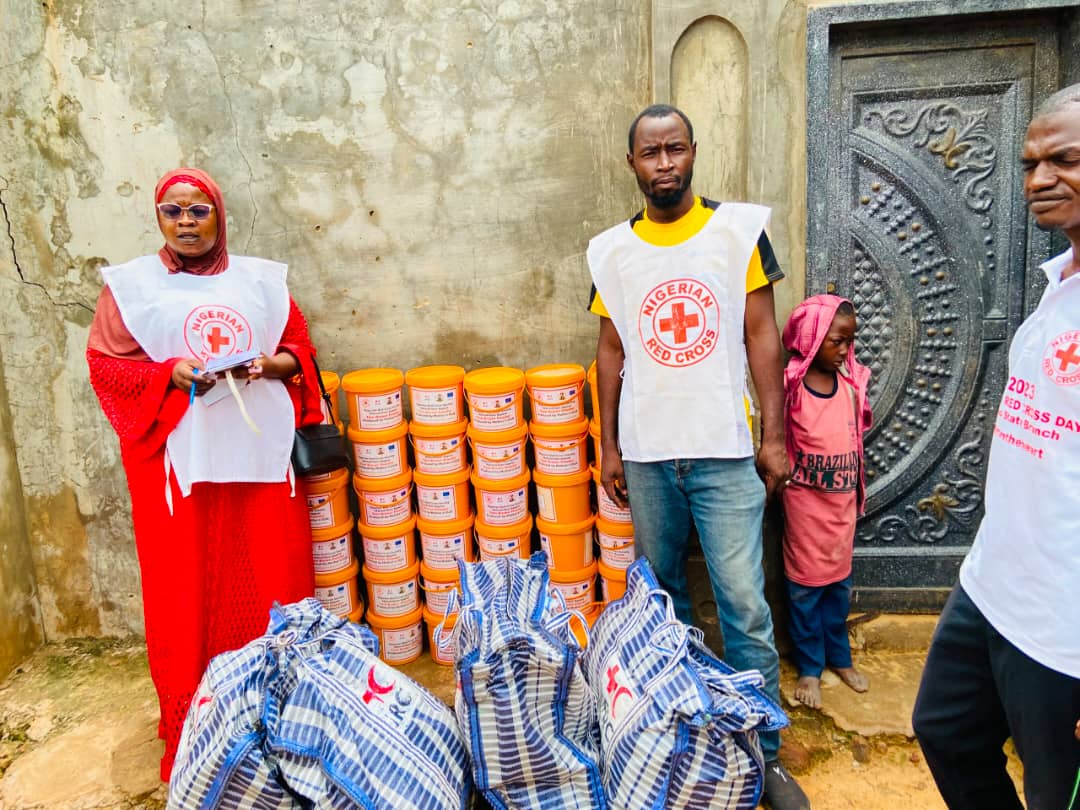
Following the screening, identified MAM cases were enrolled for support and provided with “Tom Brown,” a locally produced, nutrient-rich supplementary food designed to improve the nutritional status of affected children. Caregivers were also guided on proper preparation and feeding practices to maximise its benefits.
Beyond nutritional support, hygiene promotion remains a key component of the intervention.
As part of this, the Red Cross engaged in Mothers’ Club meetings held across various communities where hygiene education sessions were conducted. Members were sensitised to safe hygiene practices, proper sanitation, and disease prevention.
To further support improved household hygiene and reduce the risk of infections that can worsen malnutrition, hygiene kits were distributed to the most vulnerable caregivers.
The Nigerian Red Cross Society, Sokoto State Branch, says the integration of nutrition screening, supplementary feeding, and hygiene promotion demonstrates its holistic approach to addressing malnutrition and strengthening community resilience.
The Society reaffirmed its commitment to improving the health and well-being of vulnerable populations through community-based interventions, in line with its humanitarian mandate. It also emphasised that the active participation of community members, especially mothers and caregivers, continues to play a vital role in the programme’s success.