By Sabiu Abdullahi
Leaders across Europe have expressed deep concern over the rising tensions involving Iran, following recent military actions by United States and Israel.
In a statement, top officials of the European Union, including Ursula von der Leyen, described the situation as “greatly concerning.” They called for restraint, protection of civilians, and adherence to international law.
The bloc stressed that dialogue remains essential. It stated that diplomatic and negotiated solutions are key to preventing a broader conflict in the Middle East. Concerns were also raised about nuclear safety and the stability of the region.
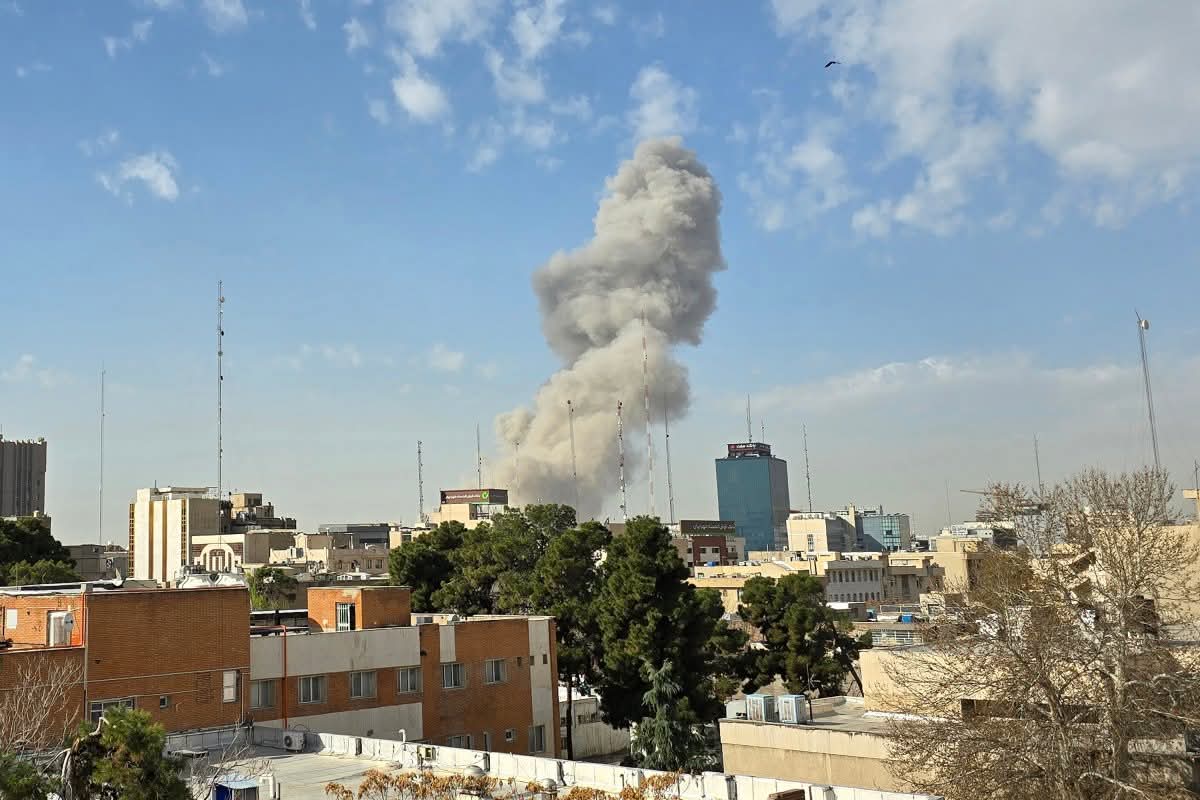
The crisis intensified on Saturday, February 28, when U.S. and Israeli forces carried out joint airstrikes on Iranian targets. The operation marked a sharp escalation tied to disputes over Iran’s nuclear and missile programmes.
Iran responded shortly after with missile strikes on American and Israeli military positions in the region. The attacks led to casualties, including civilians, and triggered widespread international reactions.
European leaders reaffirmed existing sanctions on Iran. These measures target individuals linked to repression and activities seen as destabilising. Several EU member states warned against further escalation and urged a return to diplomatic engagement.
Reactions from other parts of the world reflected similar concerns. France called for an urgent meeting of the United Nations Security Council. It warned that the strikes could threaten global peace. The United Kingdom also cautioned against a wider regional war. It maintained that Iran must not acquire nuclear weapons, while emphasising the need for restraint.
Countries in the Gulf region voiced fears that the conflict could spread beyond its current scope. They warned of possible disruptions to energy supplies and the risk of large-scale displacement of people.
The impact is already being felt. Air travel across the Middle East has faced interruptions, while oil markets have shown signs of instability.
Within Iran, tension remains high among the population. Some groups fear that the situation could develop into a larger conflict.
Leaders from Europe, Australia, and other regions continue to call for calm. They insist on protecting civilians and upholding international law, even as the situation evolves rapidly.