
By Muhammad Umar Shehu
One of the most important tests of democratic leadership is how political leaders treat those who do not share their political affiliations. Democracy is not merely about winning elections, controlling political structures or having supporters celebrate one’s political decisions. It is equally about tolerance, respect for opposing views and the willingness to accommodate political differences.
The recent visit of former Vice President Atiku Abubakar and his ADC entourage to Bauchi has offered an interesting example of this democratic responsibility.
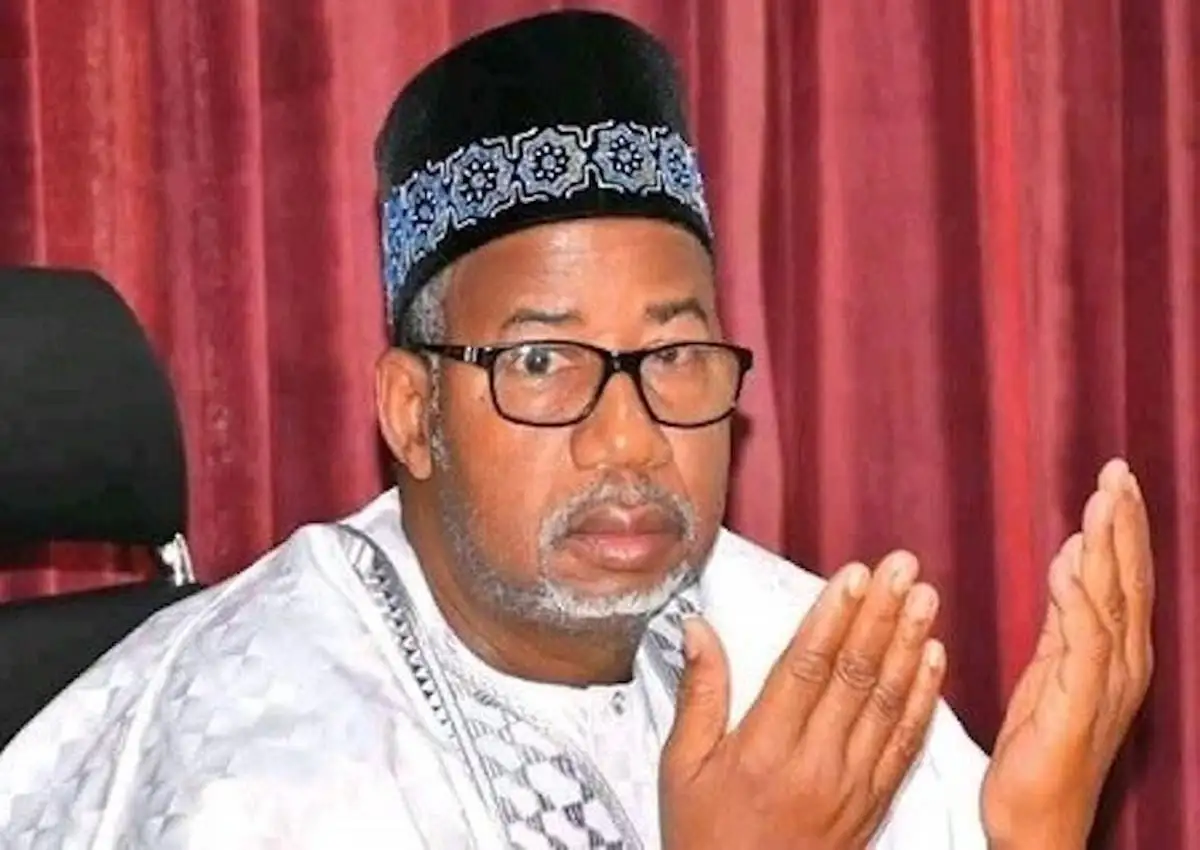
Governor Bala Abdulkadir Mohammed demonstrated political hospitality by receiving and accommodating a political delegation whose political affiliation differs from his own. Whatever political differences may exist between the governor and the visiting delegation, the responsibility to respect democratic engagement should always take precedence over partisan considerations.
This is particularly significant when viewed against concerns surrounding the treatment of opposition politicians and political activities in other states, including Kaduna, Kebbi and Sokoto. Reports and experiences surrounding opposition activities in these states raise important questions about the consistency of democratic tolerance across our political landscape.
A democracy cannot thrive where political opponents are treated as enemies simply because they belong to different political parties. Political competition should allow disagreement, persuasion, mobilisation, and peaceful engagement. It should never become an excuse to undermine the rights of political opponents.
Governor Bala Mohammed’s conduct in Bauchi is therefore worth discussing, not simply because Atiku and his entourage were received, but because it presents an opportunity to reflect on the kind of political culture Nigeria needs.
A governor is not merely a representative of a political party. He occupies a constitutional office with responsibilities that extend beyond party membership and electoral interests. Citizens’ and political organisations’ rights should not depend on whether they support the governor or belong to his political camp.
This is the essence of democratic tolerance. You can disagree politically without becoming hostile. You can belong to different political parties and still recognise the legitimacy of one another’s participation in the democratic process.
I have always maintained that political differences should not prevent us from appreciating conduct that strengthens democratic institutions and political coexistence.
Kaura is my man of the decades, not even a year!
Muhammad Umar Shehu wrote from Gombe State, Nigeria, via umarmuhammadshehu2@gmail.com.