By Sabiu Abdullahi
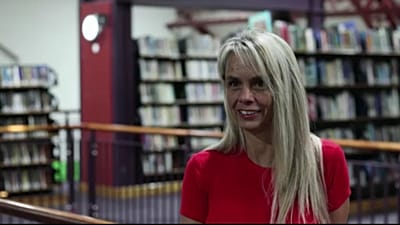
A South African author who has published more than 370 books in about 20 months using artificial intelligence (AI) has defended her writing process amid growing criticism of AI-generated literature.
Coral Hart, a pseudonym adopted to protect her real identity, said she had received tens of thousands of hostile messages and several death threats over her use of AI in producing books.
The author, who is in her 40s, has become a prominent figure in the debate over the role of artificial intelligence in the publishing industry.
Speaking in an interview with Agence France-Presse (AFP), Hart said she decided to speak publicly about her methods because she believes the technology is becoming an established part of publishing and cannot simply be dismissed.
“I chose to be the one to step up and say, these are conversations we need to start having,” she said. “This is here… They’re not going to switch it off or unplug it because a bunch of authors said so.”
Hart had worked in publishing for 14 years before she began using AI to write books around February 2025. She said she had also written several dozen works without the technology.
According to the author, she spent three months learning how to work with different AI models and developing a system capable of generating books based on detailed instructions.
Her process involves creating the story concept, defining the writing style, developing characters and preparing chapter outlines before using AI to generate the manuscript.
She said advances in AI had significantly improved the process, allowing her to move from generating individual paragraphs through repeated prompts to producing an entire book draft in one sequence.
Hart uses different AI models for different tasks, arguing that each has particular strengths and weaknesses in areas such as dialogue, prose, story structure and explicit romantic scenes.
She also acknowledged that AI-generated first drafts often require substantial editing.
Her manuscripts go through further AI-assisted reviews to address continuity problems, incomplete character development, dropped plotlines and weaknesses in the story. A human proofreader then reviews the text, corrects remaining issues and makes additional changes where necessary.
Millions of books sold
Hart said she had published 371 titles, many of them romance novels, and estimated that she had sold more than one million copies across digital, print and audio formats.
She also claimed to have earned more than US$1 million in 2026 so far. One of her novels reportedly reached Amazon’s top 100 bestsellers, although she said many of her titles were developed for specific readerships through extensive market research.
Beyond her own publishing activities, Hart said she had trained several hundred people in her approach and was preparing to launch Authorythm, software designed for authors who use AI.
Despite the controversy, she said she generally discloses her use of AI only when required by a publishing or sales platform.
Hart said she had published under more than 10 other pen names and questioned why her creative process had attracted so much attention now, after years of working in publishing.
Debate over AI-generated literature
Critics have accused Hart of contributing to what is commonly described as “AI slop” — a term used for large volumes of AI-generated content considered low-quality or lacking originality.
However, she argued that commercial performance and readers’ responses should also be considered when assessing the quality of a book.
“Books are selling,” she said, adding that readers who find books unsatisfactory can return them.
The debate has intensified as publishers and literary institutions grapple with questions about originality, authorship, disclosure and the appropriate use of artificial intelligence in creative work.
Hart also referred to the controversy surrounding a novel by Haitian-Canadian writer Thelyson Orelien, which was withdrawn from the shortlist for France’s prestigious Goncourt Prize following allegations of AI use. According to the report, the author’s publisher confirmed the use of AI on October 21, 2026.
Hart questioned whether some readers rejected works because of their actual quality or because they knew AI had been involved in producing them.
“If you need an AI label to hate something, do you hate it, or do you hate AI?” she asked.
Her case highlights a growing divide in the publishing world between those who view AI as a useful writing and editing tool and those concerned about its potential effects on literary originality, professional authors and the value of human creativity.
As AI tools become more capable, the debate is likely to centre increasingly on transparency, editorial responsibility and how readers and publishers define authorship in an industry undergoing rapid technological change.
The Daily Reality
South African Author Defends Use of AI After Publishing 370 Books in 20 Months

ByAdmin
26 October 2026