By Sabiu Abdullahi
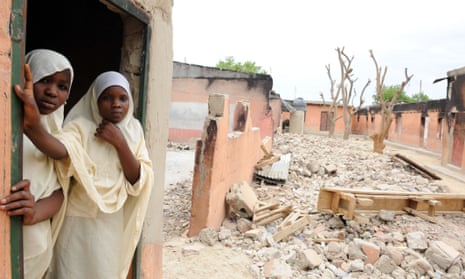
More than 1,400 schools have been destroyed across Nigeria’s North-East, while 2,295 teachers have lost their lives and about 19,000 others have been displaced as a result of prolonged insurgency and conflict in the region.
The Borno State Government also disclosed that approximately three million children are in urgent need of emergency education support due to the impact of the crisis.
The Deputy Governor of Borno State, Umar Usman Kadafur, disclosed the figures in Maiduguri while representing Governor Babagana Umara Zulum at a two-day National Dialogue on the Psychosocial Impact of Conflict on Children in Nigeria.
Kadafur said the statistics showed the severe consequences of years of conflict on children, particularly its effects on their mental health, education and prospects for the future.
He explained that the effects of insurgency often continued after active fighting had stopped, with many children experiencing trauma that affected their behaviour, relationships and ability to trust others.
“Trauma does not end when the guns fall silent. It embeds itself in their developing brains. It alters their cognition, behaviour, and their capacity to trust,” he said.
The deputy governor warned that failure to address trauma among affected children could create bitterness and alienation. He also cautioned that vulnerable children could become targets for recruitment by violent groups.
Kadafur said military operations alone could not resolve the long-term effects of insurgency. He called for mental health and psychosocial support to become part of recovery and security programmes in conflict-affected communities.
He advocated the establishment of a national mental health framework for children affected by conflict. He also called for more mental health professionals in affected communities, alongside increased investment in education and community-based interventions.
Professor Andrew Zamani, who also spoke at the dialogue, described the psychological effects of conflict as a national emergency. He warned that untreated trauma could transform grief and anger into a desire for revenge.
The Director of Medical Intelligence, Dr Patience Omokri, who represented the National Security Adviser, Nuhu Ribadu, said child trauma should be regarded as a national security issue.
She noted that children exposed to insurgency, terrorism and communal violence had experienced the loss of parents and homes, displacement, abduction and other forms of exploitation.
“A traumatized child is not only a victim. If left unsupported, they can become a vector of instability,” Ribadu said in the message.
The UNICEF representative, Francis Otuochi, disclosed that 270,864 children in Borno, Adamawa and Yobe require mental health and psychosocial support under the 2026 humanitarian needs and response plan.
Otuochi urged governments to incorporate mental health and psychosocial support into child protection, healthcare, education and social welfare programmes to address the needs of children affected by conflict.
Insurgency: 1,400 Schools Destroyed, 2,295 Teachers Killed in North-East Nigeria

ByAdmin
3 September 2026