By The Daily Reality
Health experts have advised people to adopt healthier eating habits and stay properly hydrated to reduce the risk of developing kidney stones, a condition that affects millions of people worldwide.
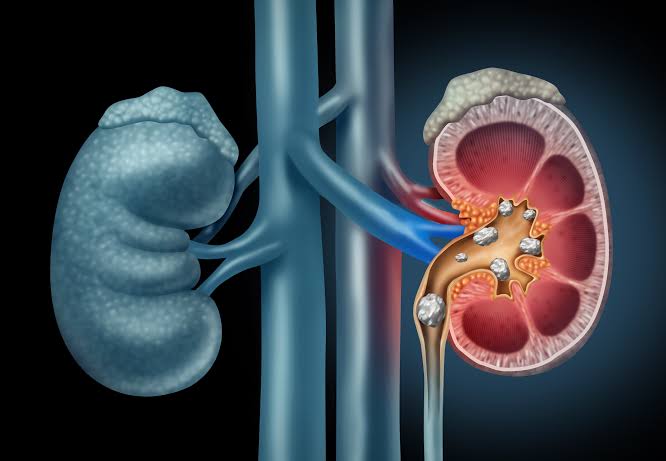
According to experts, kidney stones occur when minerals and other substances in urine become highly concentrated and form crystals. Calcium oxalate stones remain the most common type, although uric acid stones and struvite stones also occur under different conditions.
Nutrition specialists say dehydration remains the leading risk factor for kidney stones. They also note that several dietary habits contribute to the condition, including excessive sodium, animal protein and added sugar intake.
Ashley Kitchens, a registered dietitian, warned that consuming too much salt significantly increases the likelihood of developing kidney stones.
“Eating too much sodium is one of the biggest overlooked dietary factors that can increase your risk of kidney stones,” she said. “High sodium intake causes your kidneys to excrete more calcium in the urine, which raises your risk of calcium oxalate stones, the most common type of kidney stone.”
She advised people to reduce their intake of ultra-processed foods, packaged snacks and restaurant meals. She encouraged home-cooked meals as a healthier alternative.
Experts also cautioned against consuming too little calcium. Melissa Mitri, another registered dietitian, explained that inadequate calcium intake can increase the risk of kidney stones instead of reducing it.
“Not getting enough calcium is also a risk, as calcium helps bind oxalate, allowing it to pass through the body rather than build up and crystallize in the kidneys,” she said.
Diets that contain large amounts of red meat and other animal proteins can also increase uric acid levels in urine, which raises the risk of kidney stone formation. Experts recommend replacing some animal protein with plant-based options such as beans, lentils, tofu and tempeh.
They also identified sugary drinks as another important risk factor. Mitri said regular consumption of added sugar can contribute to kidney stone development.
“Added sugar quietly raises your risk of kidney stones long before dehydration does,” she said.
To lower the risk, specialists recommend eating citrus fruits such as oranges, lemons and limes because they contain citrate, a compound that helps prevent stone formation.
“Citrus fruits like oranges, lemons and limes are among the best foods for kidney stone prevention because they have a high citrate content, which inhibits stone crystal formation,” Kitchens said.
Experts also encouraged people to consume calcium-rich foods, including dairy products and fortified plant-based milk.
“Calcium-rich foods like dairy and fortified plant milk are key, since calcium binds substances in your gut, like oxalates, that would otherwise end up in your urine and form stones,” Mitri said. “Getting enough of it is actually protective, not risky.”
For people who avoid dairy products, Kitchens recommended vegetables such as kale and bok choy.
“Eating kale and bok choy gives you calcium without the high oxalate content of spinach, supporting the calcium-oxalate balance,” she said.
Hydrating fruits and vegetables can also support kidney health.
“Eating fruits and vegetables with a high water content, such as cucumbers, watermelon and citrus fruits, increases urine volume and helps dilute the minerals that form kidney stones,” Kitchens explained.
She also recommended legumes because they contain fewer purines than red meat.
“Legumes like lentils and beans are a great protein source [and are] lower in purines compared to red meat, which reduces uric acid production and kidney stone risk,” she said.
Whole grains, including oats and brown rice, also provide magnesium, which helps reduce stone formation.
“Incorporating whole grains like oats and brown rice into your diet provides magnesium, which binds to oxalate in the gut, reducing the amount that reaches your kidneys,” Kitchens said.
Beyond diet, experts advised people to drink enough water throughout the day.
“It’s important to stay consistently hydrated throughout your day, not just when you feel thirsty,” Kitchens said. “The goal is to have pale yellow urine.”
Mitri also stressed the importance of regular physical activity.
“You don’t need to train for a marathon; even light daily movement meaningfully lowers the risk of stone formation,” she said.
She also encouraged healthier beverage choices.
“It’s not just how much you drink that matters for stone prevention; it’s what’s in the glass,” Mitri said. “Coffee, tea and orange juice are all linked to a lower risk of kidney stones, making them smarter choices than soda or sweetened drinks.”
Health experts added that controlling conditions such as high blood pressure and diabetes may also reduce the likelihood of developing kidney stones. They urged people with persistent kidney-related symptoms or concerns to seek medical advice from a doctor or urologist.