
By Shamwil Ibrahim (Justice)
The memories of those harrowing and dark days in Plateau State, particularly in Jos, remain etched into my soul. I remember too little to recall every detail, yet enough to feel the weight of terror that engulfed my childhood. Outsiders hesitated to enter, and even those of us who lived there trembled at each echo of gunfire. Plateau, once a land of promise, became a chamber of fear, its people caught between survival and despair.
I was very young during the Jos and “Yelwa Shendam” crises. I barely understood what was happening. Yet one rainy day in 2001 is etched in my memory: my mother clutching my hand and my brother’s, carrying my youngest sibling on her back, running towards “Gangare” as the gunshots pierced the stormy air. I didn’t fully understand death then, but I felt its shadow.
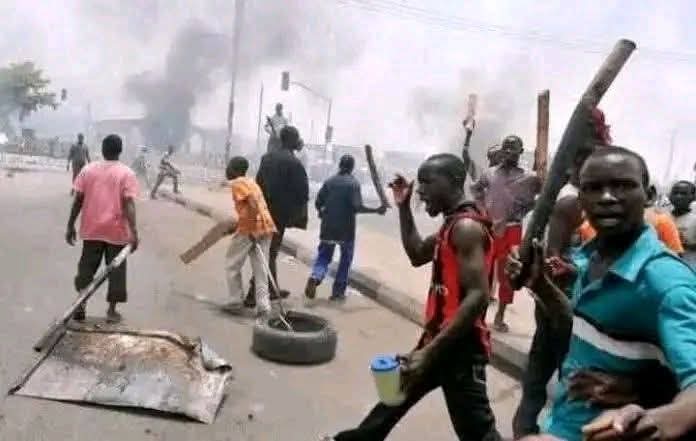
November 2008 brought horrors I could not escape. Smoke choked the sky, thick and black from burning tyres, cars, shops, and homes. The familiar morning sounds, the rooster’s crow, the call to prayer, were drowned out by the relentless rattling of bullets. I saw men lying lifeless in the streets, burnt and broken. Women clutched their children as the world around them descended into chaos. Infants cried and died; pregnant women were not spared. The streets of Jos were no longer streets; they were rivers of despair. That was the day I realised that life could shatter in an instant, leaving nothing but grief and fear.
The nightmare returned in January 2010. The cry “An Fara! An Fara! It begins!” echoed across the city, and everyone ran for their lives. Markets emptied; cars stopped mid-journey; the city was silenced by death. By March, villages like “Dogo Na Hauwa” felt the same agony. Men, women, and children were slaughtered indiscriminately. Families fled, unsure if they would ever return. Our own family considered escaping to Kano or our ancestral states, seeking refuge from the unending bloodshed. Our government, both state and federal, failed us when we needed them most, leaving an entire generation to grow up amidst fear, hatred, and division.
And yet, amid this darkness, a truth becomes clear: religion itself is not to blame. Both Islam and Christianity teach love, compassion, and coexistence. Islam emphasises peace and justice; Christianity is built on love and mercy. How, then, can these teachings be turned into instruments of hatred?
Most conflicts are not truly religious. They are manipulated and twisted by politicians and traditional leaders seeking power, wealth, and control. Land disputes, political rivalry, and ethnic tensions are cloaked in the garb of faith. To blame religion alone is to ignore the real forces at work, and to fail the innocent who suffer because of it.
We cannot abandon faith. We must embrace its true teachings: peace, love, unity. We must teach our children to rise above hatred, to recognise manipulation, and to work together regardless of ethnicity, religion, or background. Africa does not need less religion; it needs more honesty, more understanding, more courage to unite despite the forces that seek to divide us.
Plateau State can heal. Jos can thrive again. Nigeria can rise. But only if we choose love over fear, unity over division, and humanity over hatred.
Finally, I urge youths, children, elders and leaders of all religions and ethnicities to continue supporting peaceful coexistence and harmonious interaction in Plateau State.
God bless Jos.
God bless Plateau State.
God bless Nigeria and all her people.
Shamwil Ibrahim (Justice) wrote via ibrahimshamawilu@gmail.com.