
By Sabiu Abdullahi
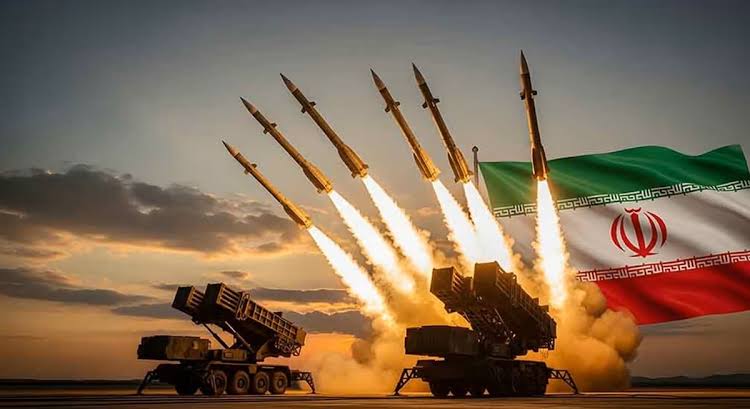
Tension has intensified in the Middle East after Iran launched a series of missiles and drones targeting the United Arab Emirates, in what signals a major escalation in the ongoing regional crisis.
Authorities in the UAE confirmed that air defence systems were deployed to intercept the incoming threats. Explosions and fires were reported in several locations across the country.
Officials disclosed that fragments from intercepted ballistic missiles landed in an industrial zone in Abu Dhabi. The incident triggered fires and left several people injured.
Security sources said the operation involved both missiles and drones. Analysts believe this reflects a more coordinated and sophisticated strategy by Tehran.
The latest strikes are linked to a broader confrontation involving Iran, the United States, and Israel. In recent weeks, Iran has stepped up retaliatory attacks after joint U.S. and Israeli operations targeted its military and nuclear facilities.
Iran has made its position known. Its foreign minister warned that Israel and the United States would pay a “heavy price” for continued strikes, signaling that attacks across the Gulf could persist or intensify.
The UAE is not the only country affected. Similar missile and drone incidents have been recorded in Saudi Arabia, Bahrain, and Kuwait. This has raised concerns about a wider regional conflict.
In response, Gulf states issued a joint statement condemning Iran and allied groups. They warned that such actions threaten regional stability and could lead to a broader war.
Officials also raised alarm over the growing use of proxy groups and cross-border strikes. They noted that both civilian and strategic locations are increasingly at risk.
Despite the scale of the attack, UAE authorities said most of the incoming threats were intercepted. This helped reduce the level of damage and casualties.
However, the crisis is already affecting the global economy. Shipping routes have been disrupted, while oil prices have surged. There are growing fears that the conflict could drag on in one of the world’s most critical energy regions.
The situation remains tense, with each new development increasing the risk of further escalation beyond current battle lines.