
By Umar Sani Adamu (Kawun Baba)
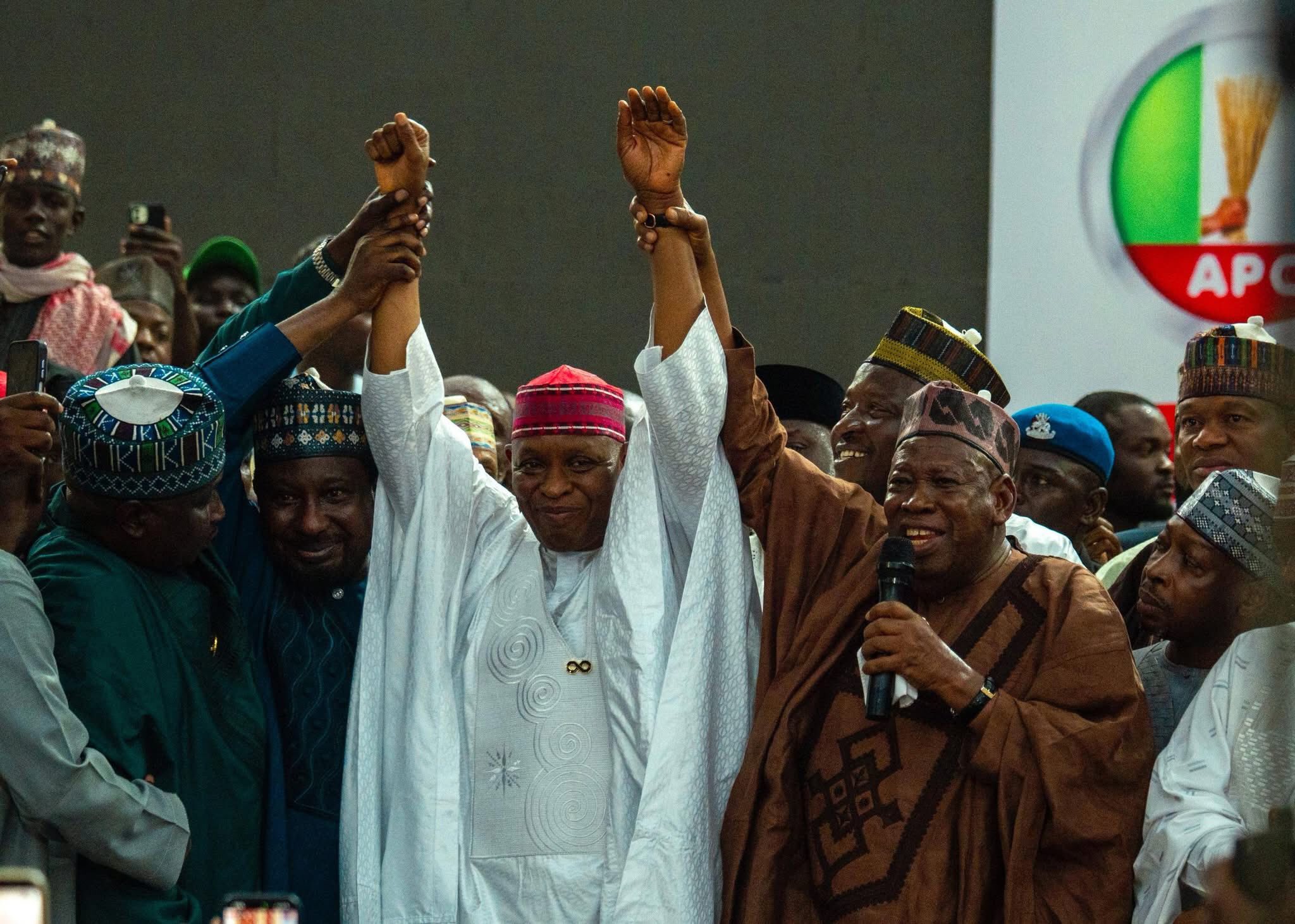
The defection of Kano State Governor Abba Kabir Yusuf from the New Nigeria Peoples Party, NNPP, to the All Progressives Congress, APC, has exposed more than a political shift. It has laid bare the fragility of slogans elevated above reason and the contradictions within Kano’s dominant political movement.
For years, the phrase “Mayiyan Kano” was used by followers of Senator Rabiu Musa Kwankwaso whenever events did not go their way. It served as a blanket response to court rulings, electoral outcomes, and opposing views. What began as a casual expression gradually hardened into a political shield used to dismiss criticism rather than engage it.
Ironically, Governor Yusuf was once celebrated as the ultimate proof of loyalty to the Kwankwasiyya structure. A report by The Daily Reality during the early phase of his administration went to remarkable lengths to present him as a devoted disciple of his mentor and political godfather. His actions, his rhetoric, and even his body language were framed as evidence of unquestionable allegiance. At the time, loyalty was portrayed as a virtue, and Yusuf was held up as its finest example.
That narrative has now collapsed under the weight of political reality. Following his defection, the same voices that once applauded his loyalty have rushed to brand him disloyal. The sudden moral outrage is striking not because politicians change camps but because of the selective memory at play. If loyalty were absolute, then it should have been defined beyond convenience. If it were conditional, then honesty demands admitting that politics is transactional, not sentimental.
The revival of Makiyan Kano, that’s “The enemy of Kano” or “One who works against the interests of Kano”. In this context reveals its emptiness. Rather than interrogate why a sitting governor would abandon the platform that brought him to power, some loyalists have retreated to slogans. It is easier to chant than to reflect. Easier to accuse than to accept that political authority ultimately rests with individuals, not movements.
What this moment exposes is a deeper problem within Kano politics: the attempt to freeze loyalty in time while ignoring changing realities. Governance is not sustained by personal allegiance to a mentor but by navigating power structures, resources, and national relevance. To pretend otherwise is to confuse political romance with political responsibility.
Supporters of the governor argue that his decision was informed by pragmatism and the pursuit of Kano’s broader interests. Whether one agrees or not, it is a position that deserves debate, not dismissal. Slogans do not govern states. Decisions do.
Makiyan Kano has returned to public discourse, but its meaning has shifted. It no longer signals confidence. It now sounds like frustration. In the end, movements that rely on chants instead of ideas often struggle when reality refuses to cooperate. Kano politics appears to be learning that lesson the hard way.
Umar Sani Adamu (Kawun Baba) wrote via umarhashidu1994@gmail.com.